
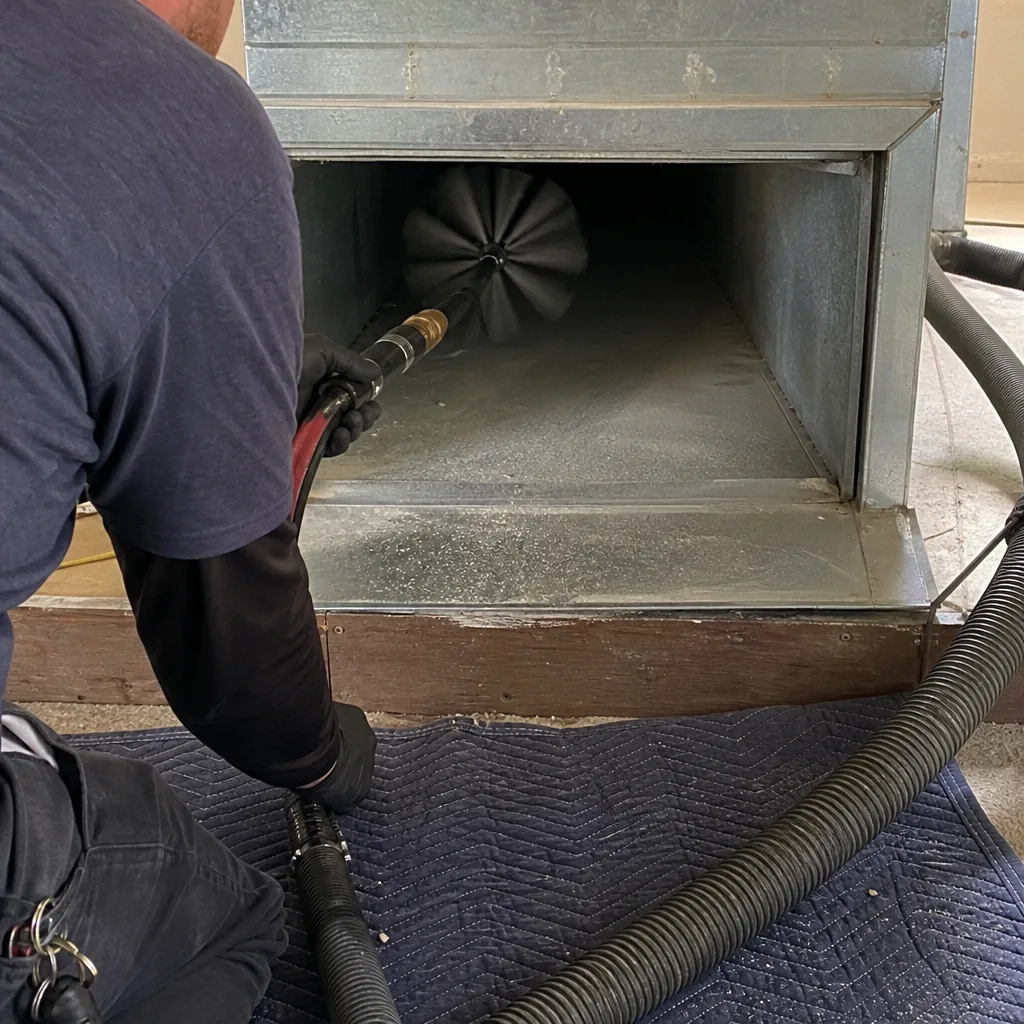
Last updated November 15, 2026
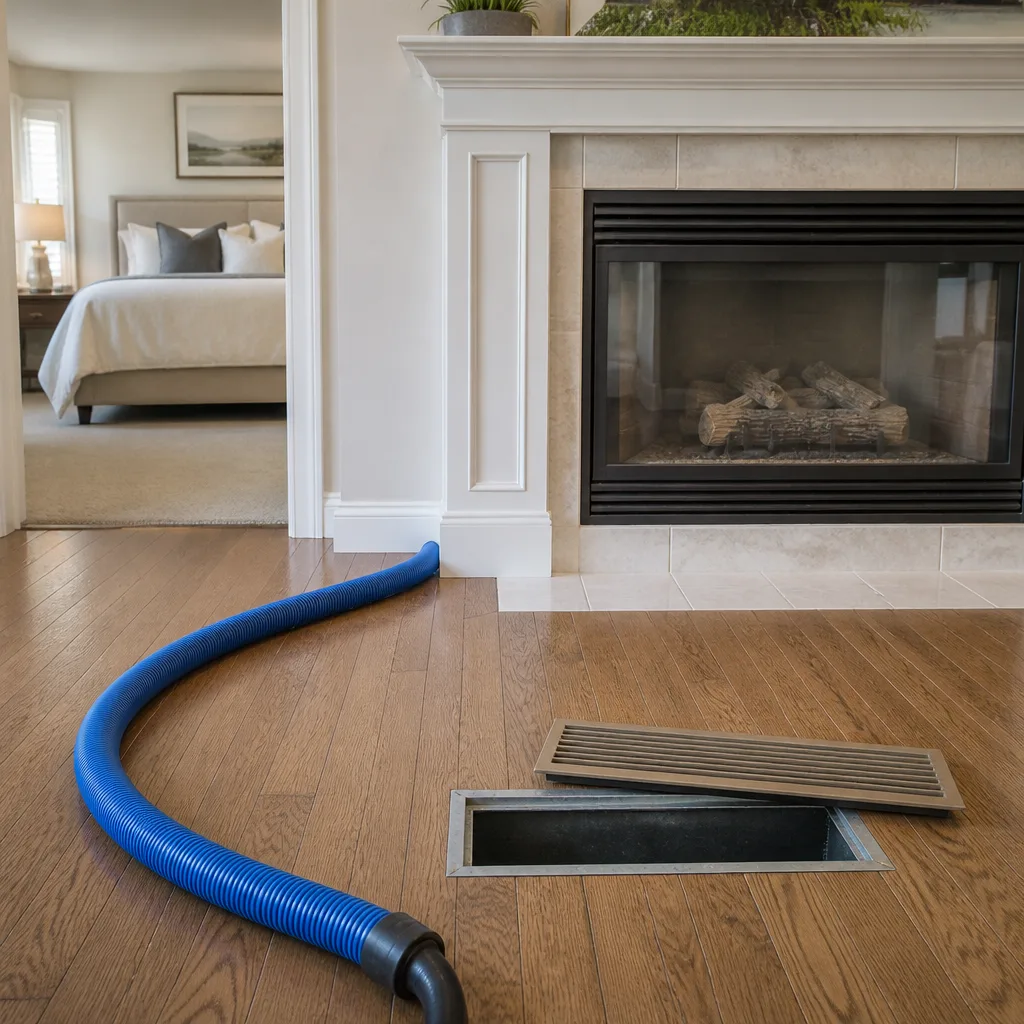 Whole-home duct cleaning
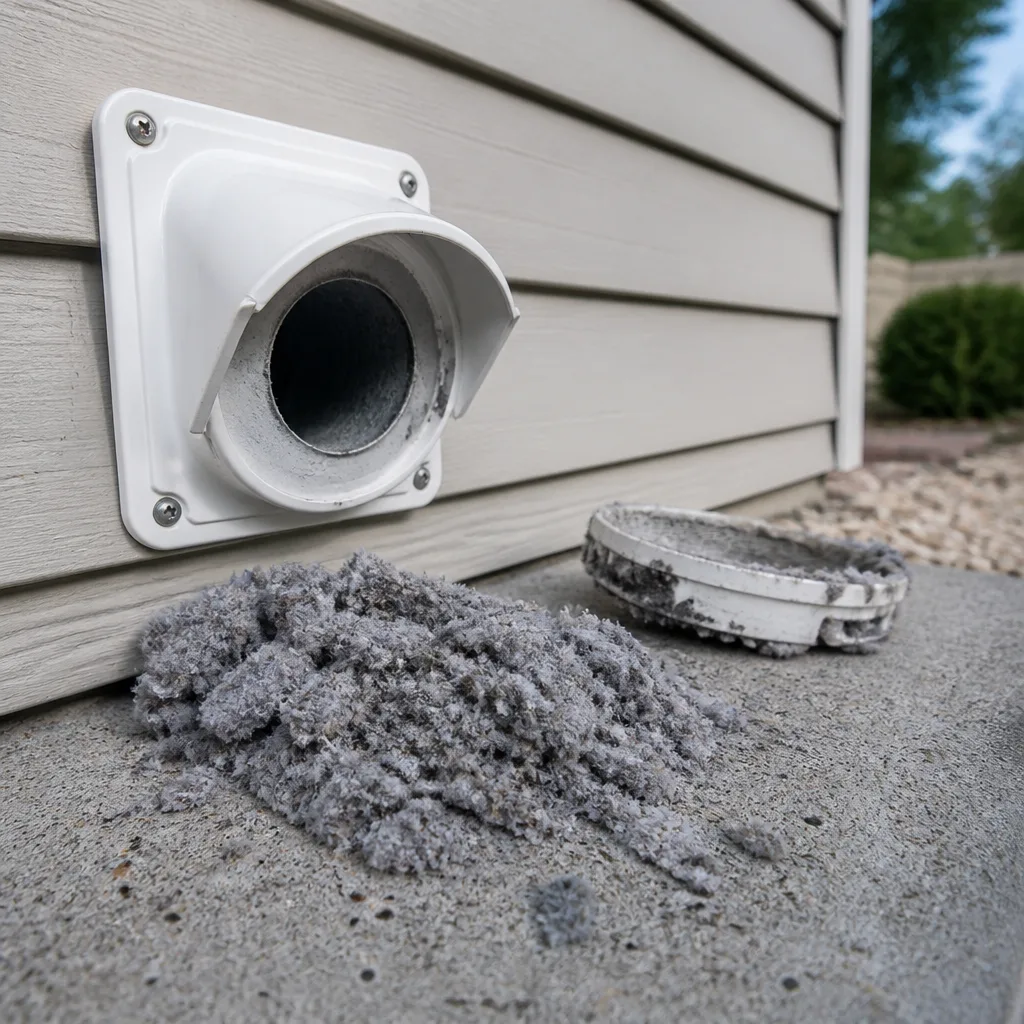 Dryer vent cleaning
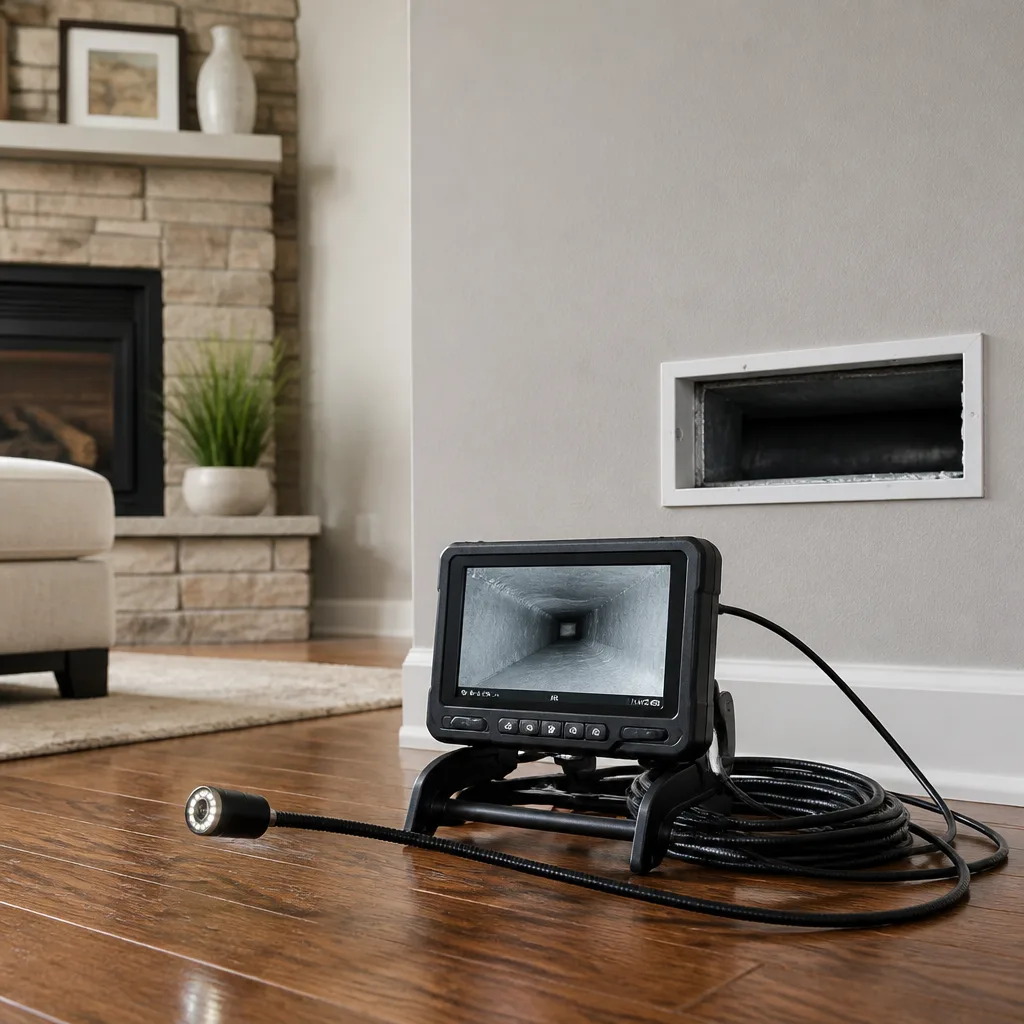 Camera inspection
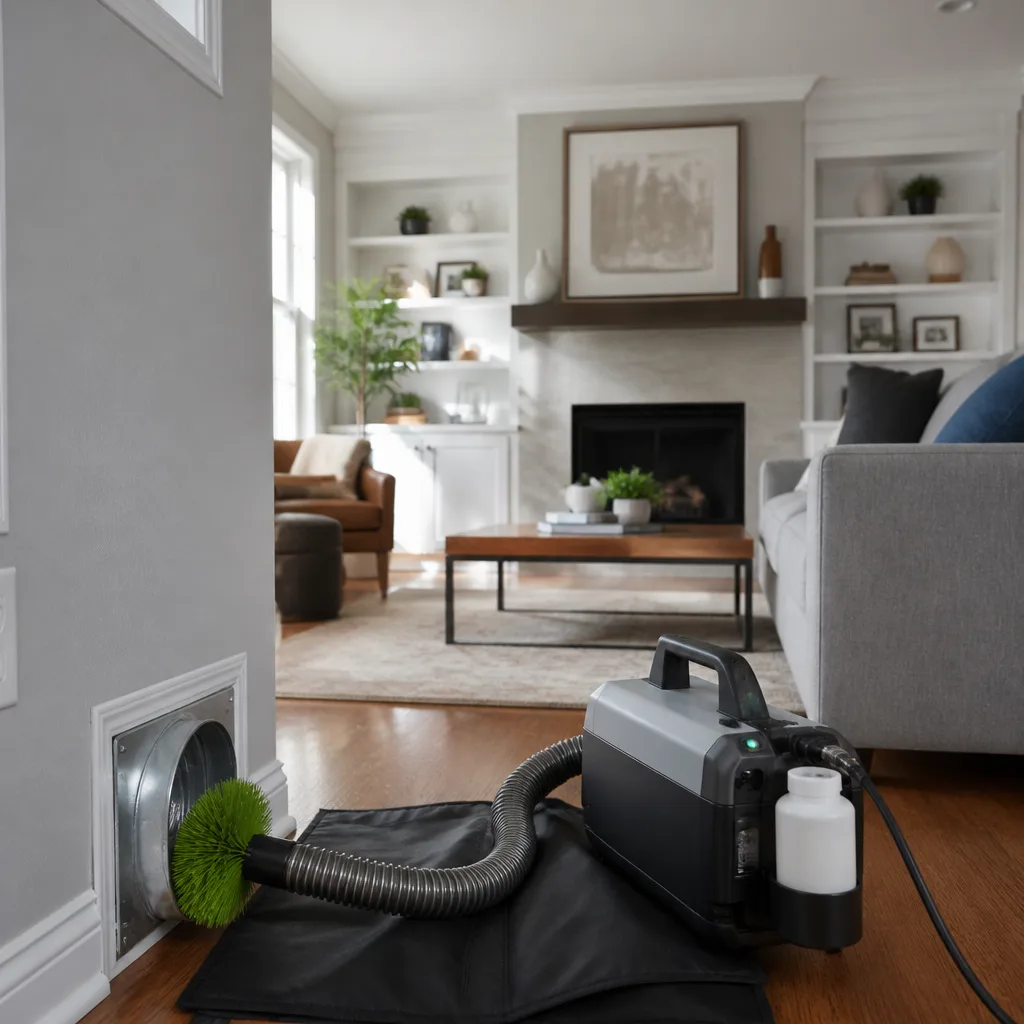 Sanitizing & deodorizing
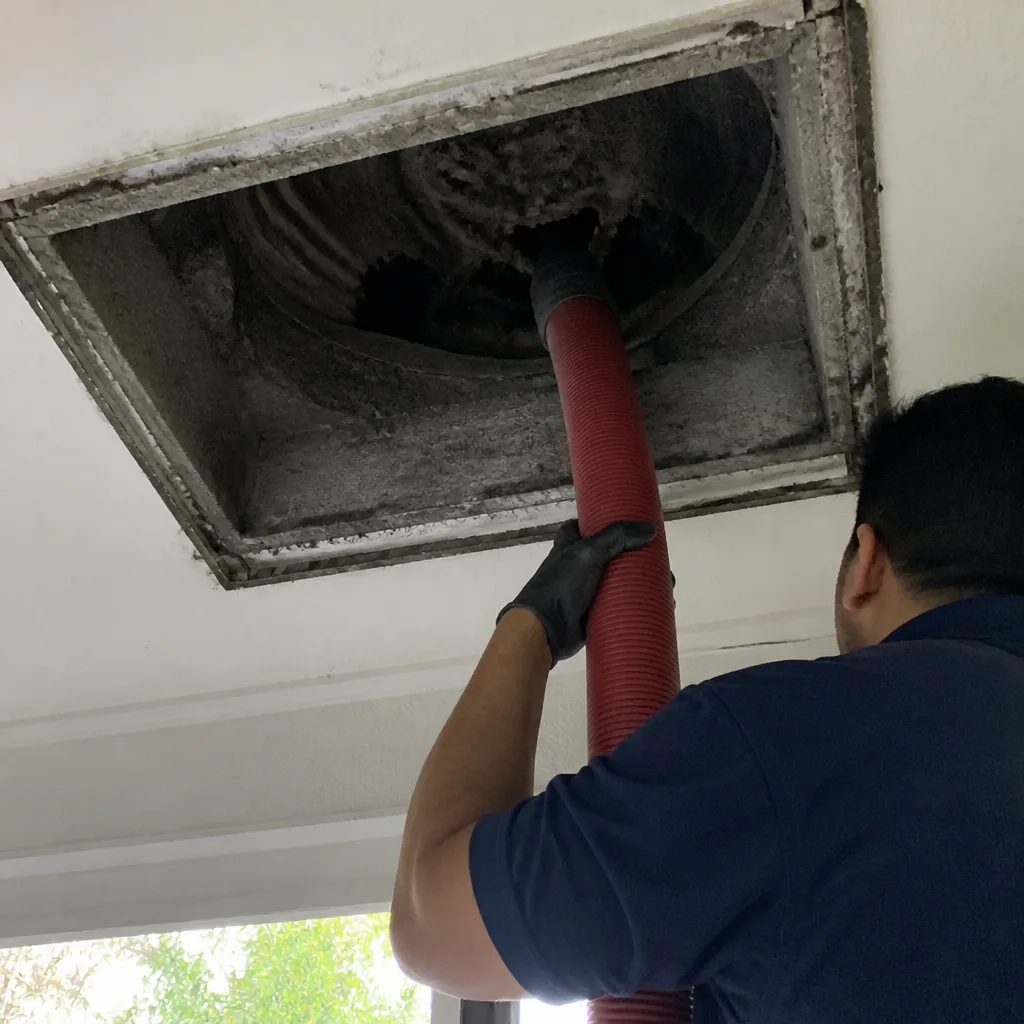
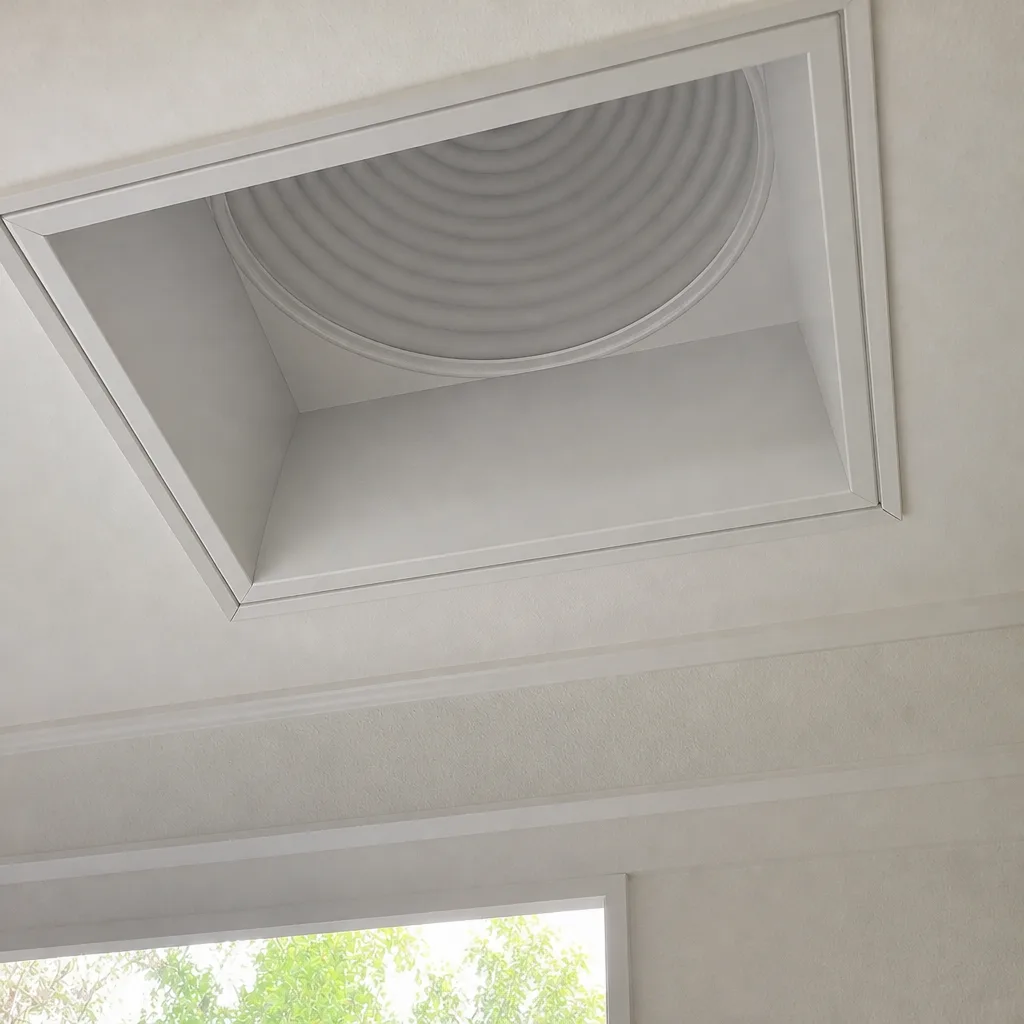
Whole-system duct and dryer vent check with before-and-after photos - you see exactly what came out of your vents
That "$99 whole-house special" is a bait ad - the real number appears once they are in your hallway, or the "clean" is a shop-vac at the register. We photograph the inside of your ducts before and after instead.
Air Duct Cleaning Warning Signs: A Richmond Homeowner’s Reference Guide
Uneven room temperatures are almost always blamed on the HVAC unit. In a surprising number of cases, the actual cause is a disconnected or collapsed duct section somewhere behind the drywall, and no refrigerant recharge is going to fix that. When a bedroom runs hot while the hallway stays cold, or the system seems to strain without moving much air, the equipment often isn’t the problem at all. The ductwork is. This guide teaches Richmond homeowners how to read the symptoms that point specifically to duct condition rather than equipment failure, run a simple airflow test before calling anyone, and document what they find so a technician arrives with the right tools instead of starting from scratch.
Quick Answer
The most reliable air duct warning signs in Richmond are visible debris or dark streaks at the supply registers, musty or stale odors when the system starts, uneven room temperatures, weak airflow from specific vents, and new allergy symptoms that appear indoors. Contamination signs (odors, debris, dust) point to dirty ducts. Airflow and temperature imbalance signs point to duct damage, like a crushed or disconnected run. Both are worth a professional look, and a free estimate is the fastest way to tell which one you’re dealing with.
Styles & brands we work with
- Whole-home duct cleaning
- Dryer vent cleaning
- Camera inspection
- Sanitizing & deodorizing
Table of Contents
- Contamination vs. Damage: Two Different Problems
- The Register Airflow Test You Can Do Tonight
- What a Visual Inspection of Your Ducts Can Reveal
- Richmond Triggers That Accelerate Duct Problems
- How to Document Symptoms Before You Call
- When You Need Cleaning and When You Need Repair
- Why Equipment Makes the Difference
Contamination vs. Damage: Two Different Problems
Most homeowners treat every HVAC symptom as one category of problem. In practice, air duct issues fall into two distinct buckets that call for different solutions. Understanding which bucket your symptoms belong to is the single most useful thing you can do before you pick up the phone.
Signs of Duct Contamination
Contamination symptoms mean the ducts are carrying and circulating things you don’t want in your air. These are the signs to watch for:
- Musty, dusty, or stale odors that appear when the system kicks on
- Visible dust, dark specks, or debris around the supply registers or on the register grilles
- Dust settling on furniture faster than it used to
- Allergy or asthma symptoms that worsen indoors, especially in the morning after the system has run overnight
- Visible buildup inside the return air grille
Signs of Duct Damage
Damage symptoms mean the duct system is physically compromised somewhere. Air may be leaking into a wall cavity or attic space instead of reaching the room it was meant for. Signs include:
- Rooms that run hot or cold while others stay comfortable
- Weak or uneven airflow at registers
- Rattling, popping, or whistling sounds when the system runs
- A system that seems to run constantly but never quite keeps up
- Higher energy bills with no obvious cause
These are the signs most often misdiagnosed as blower motor failure or a refrigerant issue. A technician who replaces a part before checking duct condition is solving the wrong problem. In our experience, a collapsed flex duct or a disconnected joint produces airflow symptoms that look identical to a failing unit from the outside. Only an inspection of the ductwork itself settles the question.
The Register Airflow Test You Can Do Tonight
You don’t need special tools to get a first read on your duct system. A single square of tissue or a lit incense stick is enough to identify weak zones before you call a contractor, and the results tell you something specific about where the problem lives.
How the Test Works
- Turn the system on and let it run for a few minutes so airflow is steady.
- Hold a single ply of tissue over each supply register, working through the rooms one at a time. It should flap firmly and pull toward the register. If it barely moves, or falls, you’ve found a weak zone.
- Note the rooms with strong airflow, weak airflow, and no airflow at all.
- Stand near each return air grille and confirm you feel steady suction.
An incense stick held near the edge of a register works the same way: the smoke should be pulled clearly toward the vent. If it drifts back into the room or barely moves, that register is starving for air.
What the Results Mean
A single weak register usually points to a problem on the run that feeds it: a crushed flex duct, a disconnected joint, or a damper that’s mostly closed. Several weak registers on the same side of the house can point to a collapsed trunk line or a duct that’s come apart at a main junction. Strong airflow everywhere but obvious debris and odor points toward cleaning, not repair. Write down which rooms failed the test. That list is the most valuable information you can hand a technician.
What a Visual Inspection of Your Ducts Can Reveal
A portion of most duct systems is accessible without cutting into drywall. Registers and return grilles, the plenum at the air handler, and ducts running through the garage, attic, or crawlspace can usually be inspected. Knowing what to look for in those exposed sections tells you whether cleaning or repair is the more likely answer.
What You Can Check Yourself
- Discoloration or dark streaking inside the register boots, which often signals long-term contamination
- Visible debris clinging to the inside of flex duct where it meets the register
- Gaps or separation at joints where duct sections meet
- Flex duct that appears crushed, kinked, or hanging loose from its support
- Tape or mastic that’s peeling away at the seams
What Requires Professional Scoping
Duct runs inside walls, ceilings, and finished spaces can’t be safely inspected without scope cameras and access tools. A professional inspection sends a camera through the system to see the interior condition of runs you can’t reach. That’s how a hidden disconnected joint or a nest of debris behind a wall gets found. If your airflow test points to a weak zone in a finished part of the house, professional scoping is the next step.
Richmond Triggers That Accelerate Duct Problems
Richmond sits in a mild climate with wet winters, and that has a real effect on what’s happening inside ductwork. The problems we see most here aren’t caused by extreme temperatures. They’re caused by moisture, animal activity, and the way older homes were built and later modified.
Crawlspace Moisture
Many homes in Richmond have crawlspaces that stay damp through the rainy season. When ducts run through a moist crawlspace, condensation can form on duct surfaces, and moisture finds its way into joints and insulation. That damp environment feeds microbial growth inside insulated flex duct, which is why crawlspace-run ducts so often develop odors before they show any other sign.
Rodent Activity in Older Homes
Richmond has a lot of older housing stock, and older homes have more entry points for rodents. Mice and rats move through crawlspaces and wall cavities, nesting in duct insulation and leaving droppings inside ductwork. The signs are usually a musty, animal smell at a specific register, combined with droppings visible in the crawlspace near a duct run.
DIY HVAC Modifications
Homeowners who add a room to a house, reroute a duct to feed a converted garage, or splice a flex duct themselves often create the exact problems this guide is about. A DIY splice that comes apart quietly behind a wall leaks air for years before anyone notices. If you inherited a home with an added room or a rerouted duct, pay close attention to whether that space heats and cools properly.
How to Document Symptoms Before You Call
A technician who arrives with a clear symptom list starts with the right equipment and the right questions. A vague call about “weird airflow” means a waste of time on both ends. Here’s what to note before calling anyone, and how to communicate it.
What to Write Down
- Which rooms failed the tissue test, and how badly
- Whether each failed room is hot, cold, or just low on air
- Where the odors are strongest and when they appear
- Whether the system rattles, whistles, or pops, and how often
- Any recent changes: a renovation, a new room addition, a new filter, a new thermostat
- Whether you’ve seen pest activity or droppings near any duct run
- What your energy bills have done over the past few months
How to Frame the Call
Describe the symptoms in order of concern. “Two bedrooms upstairs get no airflow at all, the system runs constantly, and I smell something stale in the hallway” gives a technician a working theory before they arrive. “My ducts need cleaning” gives them almost nothing. If you’re a property manager coordinating across several units, note the address and unit number for each symptom set so your technician can prioritize.
When You Need Cleaning and When You Need Repair
Cleaning and repair are not the same job, and a company that only does one of them will tell you that’s the only answer. The right diagnosis comes from looking at both contamination and physical condition at the same time.
You Likely Need Cleaning If:
- Airflow is strong but the air smells stale or musty
- Registers are visibly dirty and dust is accumulating quickly
- You or a family member has new allergy symptoms indoors
- You’ve recently renovated and sawdust or debris got pulled into the returns
You Likely Need Repair If:
- Specific rooms get weak or no airflow while others stay strong
- Ducts rattle or whistle when the system runs
- Visible flex duct sections are crushed, kinked, or hanging loose
- Joints are separated and tape is failing
Sometimes You Need Both
Older Richmond homes often need the full sequence: repair the damaged sections, seal the joints, then clean the whole system. Cleaning a duct that’s come apart just pushes debris into the wall cavity. Repair without cleaning leaves contamination behind. A company that can do both is the better call. That’s why we’ve built air duct cleaning and air duct repair as two services we can run together or independently, depending on what the inspection finds.
Why Equipment Makes the Difference
Duct cleaning has a reputation problem, and it’s earned. Some companies show up with a shop vac and a wand and call it a cleaning. The duct surfaces are barely touched, the debris is loosened but not removed, and the homeowner has no way to know whether the work was actually done.
What Professional Equipment Actually Does
Professional-grade equipment means two things: mechanical agitation to break debris loose from duct walls, and high-capacity vacuum to capture it rather than push it into the living space. Our technicians use Rotobrush rotary brush systems to agitate every accessible run, Nikro HEPA-rated vacuums to capture contaminants, and Abatement Technologies negative air machines to maintain pressure and containment throughout the job. The process matters as much as the tools. Debris that gets loosened and pushed out a register ends up on your furniture.
Before-and-After Photos
One of the simplest ways to know work was done is to see it. We photograph registers before and after cleaning so you have a visual record. On a dryer vent cleaning call, the photo of a cleared vent is the proof that matters most, since a clogged dryer vent is a leading cause of residential fires and there’s no good reason to take anyone’s word for it.
Knowledge Across Air Quality Systems
If your home has a whole-home air quality setup, the ducts connect to it. We work with and service systems like Honeywell and Aprilaire, so we can tell you whether a duct problem is interfering with your air quality equipment, and what to do about it. That’s part of being a trustworthy Ductwork company in Richmond rather than a one-trick cleaning service.
Common Mistakes to Avoid
- Replacing the blower motor before checking duct condition. A collapsed duct produces the same airflow symptoms as a failing motor. If a part gets replaced and the problem persists, the ductwork is the next place to look, and often it should have been the first.
- Hiring on price alone. A low quote usually means either surface cleaning with inadequate equipment or a coupon price that gets renegotiated on site. Ask what equipment will be used and whether the price is per system or per vent.
- Skipping the register test. It takes five minutes and tells you which rooms are getting starved. Without it, you rely entirely on the technician’s diagnosis.
- Assuming cleaning will fix airflow. Cleaning a crushed duct doesn’t un-crush it. If the problem is damage, the fix is repair, and only a company that does repair can solve it.
- Ignoring dryer vent warning signs. Lint buildup in a dryer vent is a fire risk, and the signs (longer dry times, heat on the outside of the dryer) are easy to write off.
- Not documenting symptoms before the call. A vague description means a technician shows up under-equipped. Write down which rooms failed, where the odors are, and what you’ve noticed.
- Patching a damaged duct with consumer-grade tape. Duct tape fails in heat. Damage to flex duct and joints deserves a proper repair, not a temporary patch that comes loose in a season.
See the difference
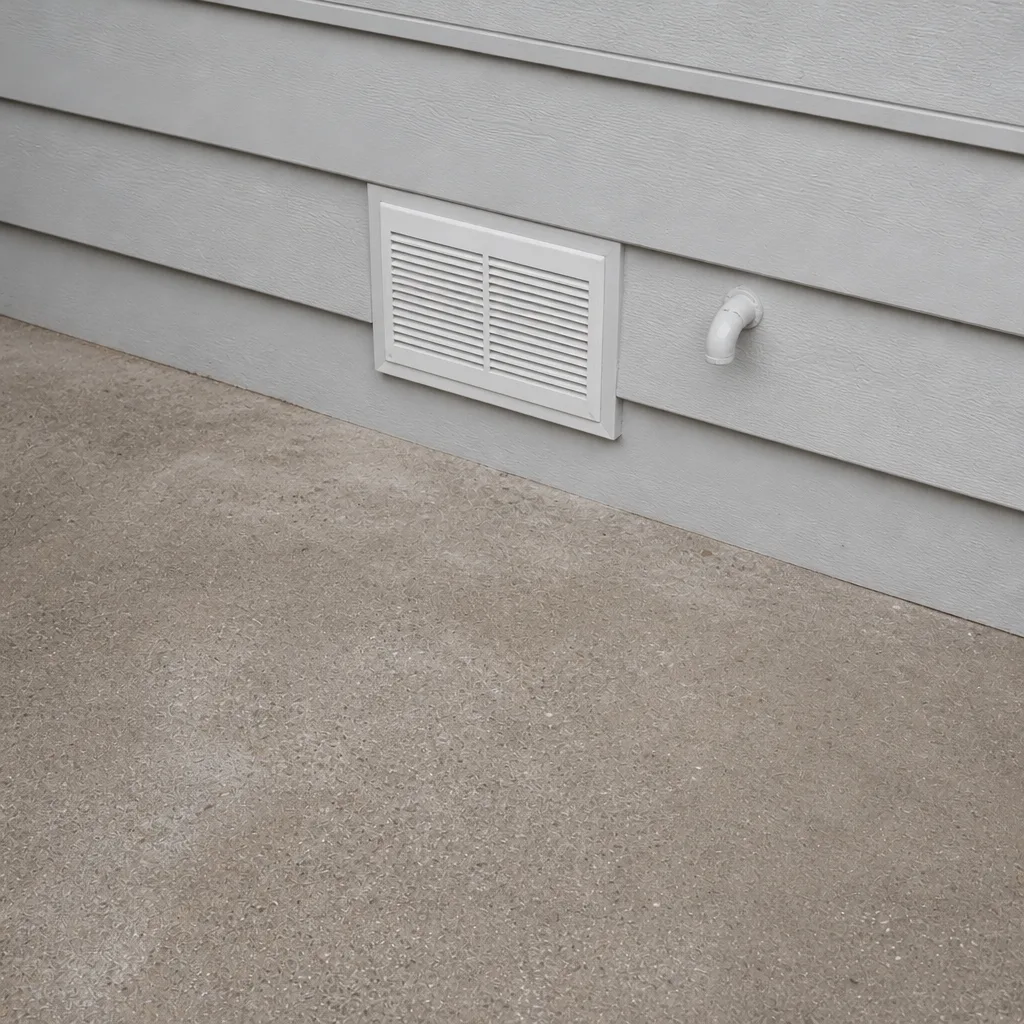
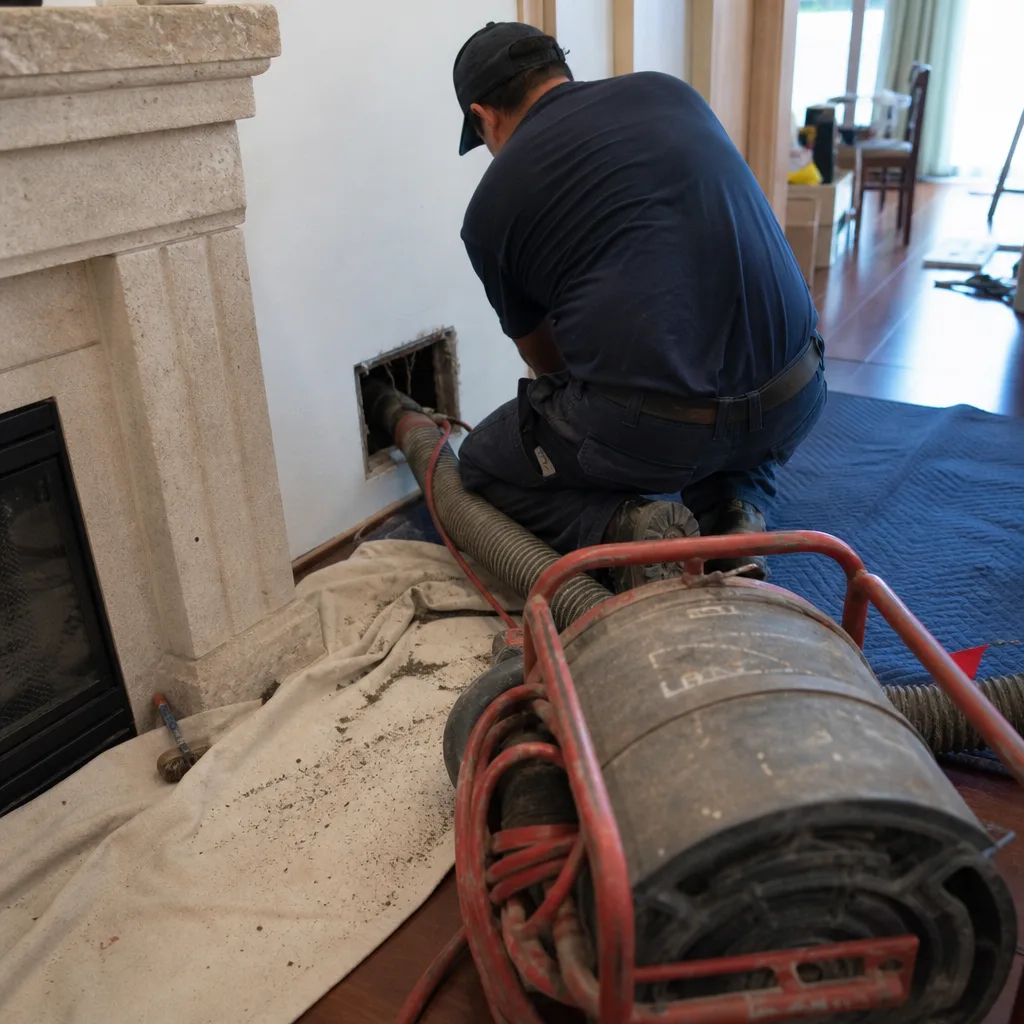 Before
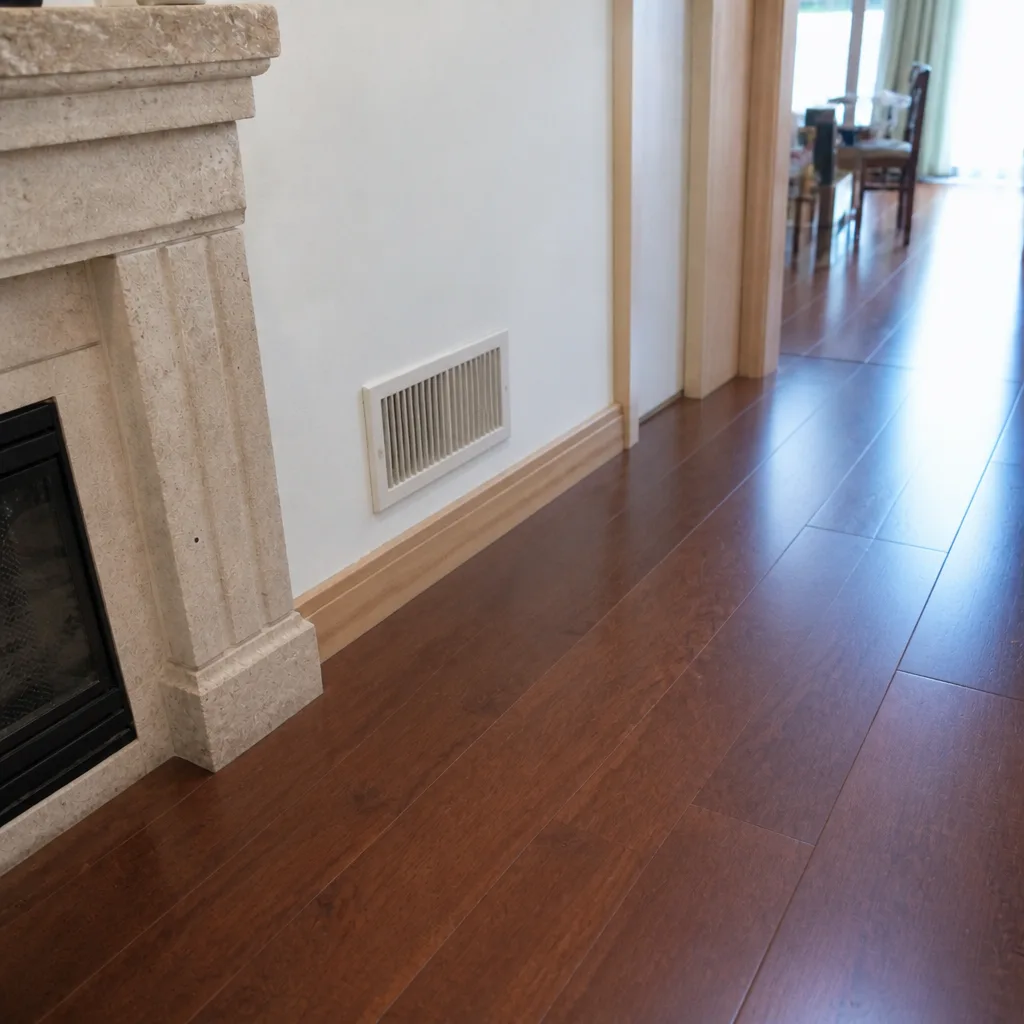 After
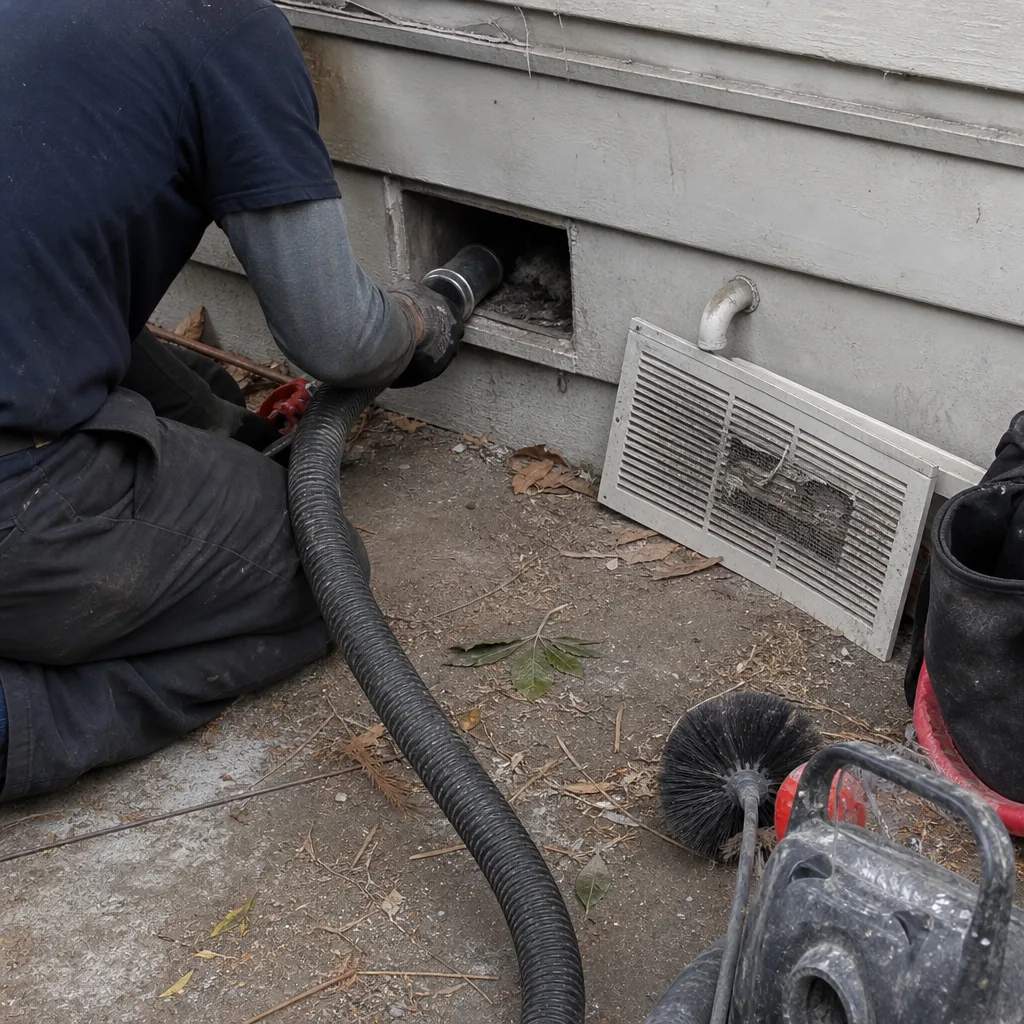 Before
 After
 Before
 After
When to Call a Professional
Call a professional if you’ve done the register test and found weak or dead zones in the house, if you smell musty or animal odors when the system runs, if you’ve seen debris or discoloration at the registers, or if pest activity near a duct run is confirmed. Call sooner if the dryer is taking longer to dry clothes, or if anyone in the home has new allergy symptoms that seem tied to the HVAC system. Do not try to open ductwork inside walls or attempt to repair gas or electrical components yourself; those call for a trained professional. Meadow Air Duct Cleaning offers free estimates in Richmond. Call (844) 459-0252. We answer 24/7. Fast dispatch from 7am to 7pm, Sunday through Friday.
Frequently Asked Questions
The register airflow test is the quickest way to tell. If some rooms have strong airflow and others don’t, the problem is almost certainly duct condition rather than the equipment. If airflow is weak everywhere, the system itself may be struggling.
Prices vary depending on system size, how accessible the ducts are, and whether repair is needed. We don’t quote per-vent prices or teaser coupons; the estimate is per system and set by a written quote before work starts. Call (844) 459-0252 for a free estimate. We answer 24/7. Fast dispatch from 7am to 7pm, Sunday through Friday.
Repair first if there’s visible damage. Cleaning a duct that’s come apart just pushes debris into the wall cavity. A company that offers both cleaning and repair can sequence them correctly after inspecting the system.
Richmond’s mild, wet winters mean crawlspace moisture and rodent activity drive more duct problems than temperature extremes do. Older housing stock in Richmond adds another factor: more DIY modifications and more accessible entry points for pests.
It depends on the home. A house with pets, recent renovations, or older construction often benefits from cleaning more often than a newer one with no pets. Watch the warning signs rather than the calendar. Call (844) 459-0252 for a free estimate and we’ll tell you what your system actually needs.
Ask for before-and-after photos of your own registers. We photograph them on every job. That’s the simplest way to confirm the ducts were cleaned and not just sprayed with a wand.
In most cases, yes. Repairs to disconnected joints, crushed flex sections, and failing tape can be handled through accessible locations and register boots. A scope inspection tells you how much access is needed before any work starts.
The Bottom Line
Uneven temperatures, weak airflow, and stale odors are duct symptoms, not always equipment symptoms. Read the sign correctly and you avoid the wrong repair. Run the tissue test tonight. Write down which rooms fail, where the smells are, and whether you’ve seen debris or pest activity. That list turns a vague service call into a specific diagnosis. Contamination points to cleaning. Damage points to repair. In Richmond, crawlspace moisture, rodent activity, and older housing stock make both problems common. A company that can do both jobs, with professional equipment from Rotobrush, Nikro, and Abatement Technologies, and can see the full picture on the first visit, is the one worth calling.
Call (844) 459-0252 for a free estimate. We answer 24/7. Fast dispatch from 7am to 7pm, Sunday through Friday.
Written by the team at Meadow Air Duct Cleaning.