
Last updated November 15, 2026
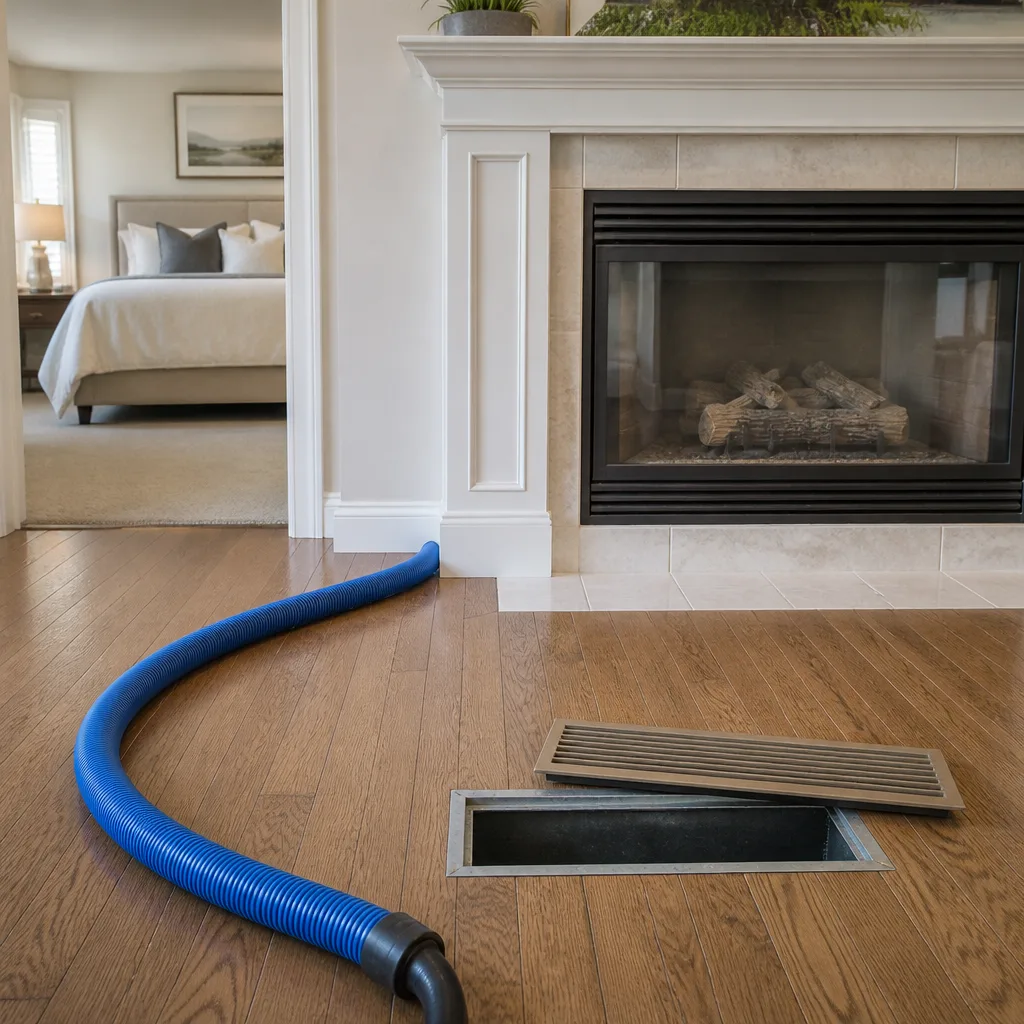 Whole-home duct cleaning
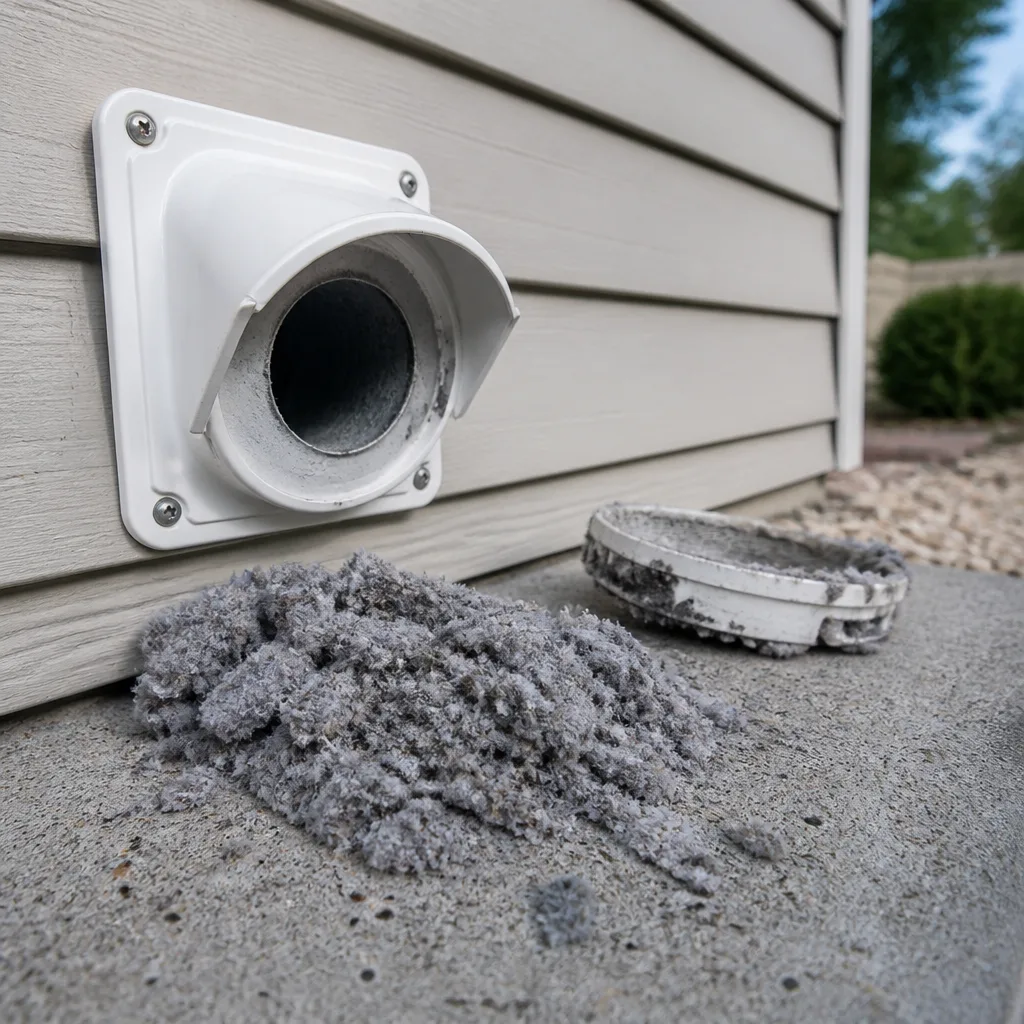 Dryer vent cleaning
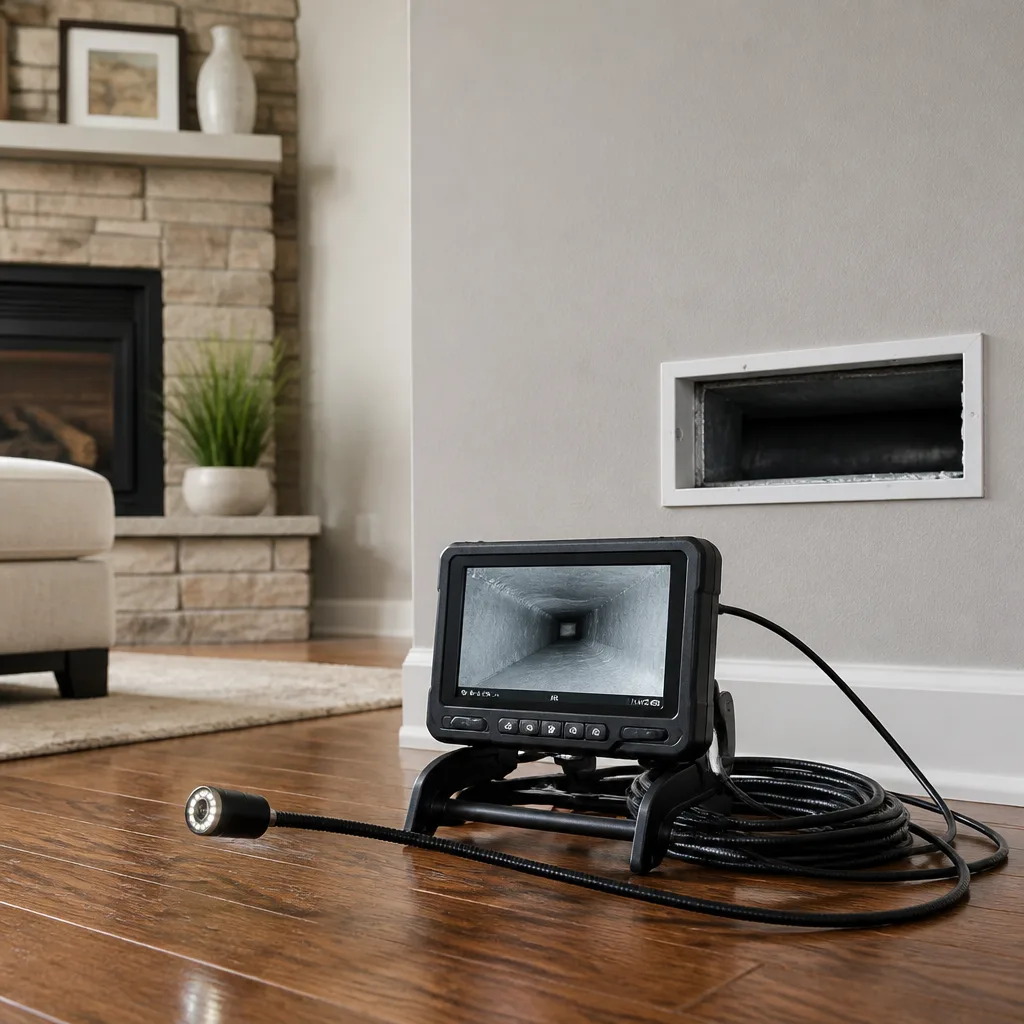 Camera inspection
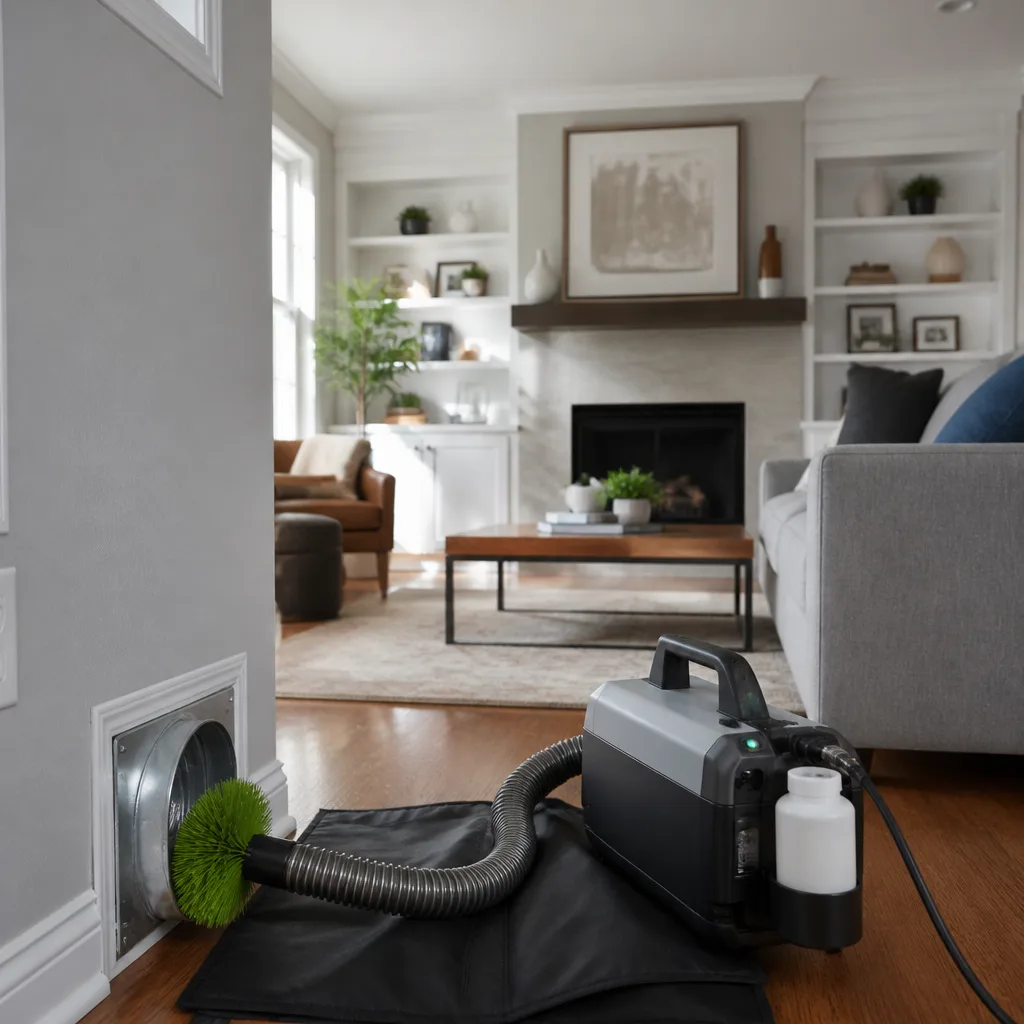 Sanitizing & deodorizing
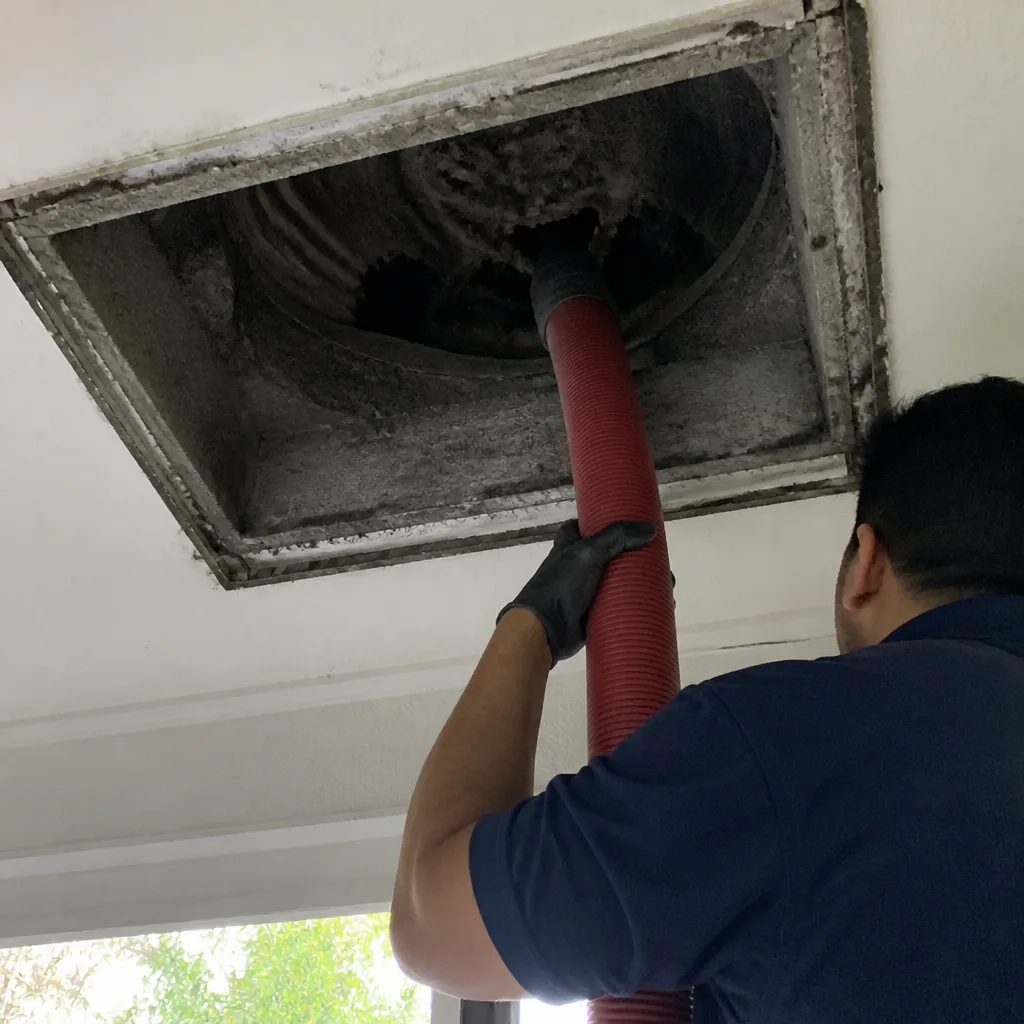
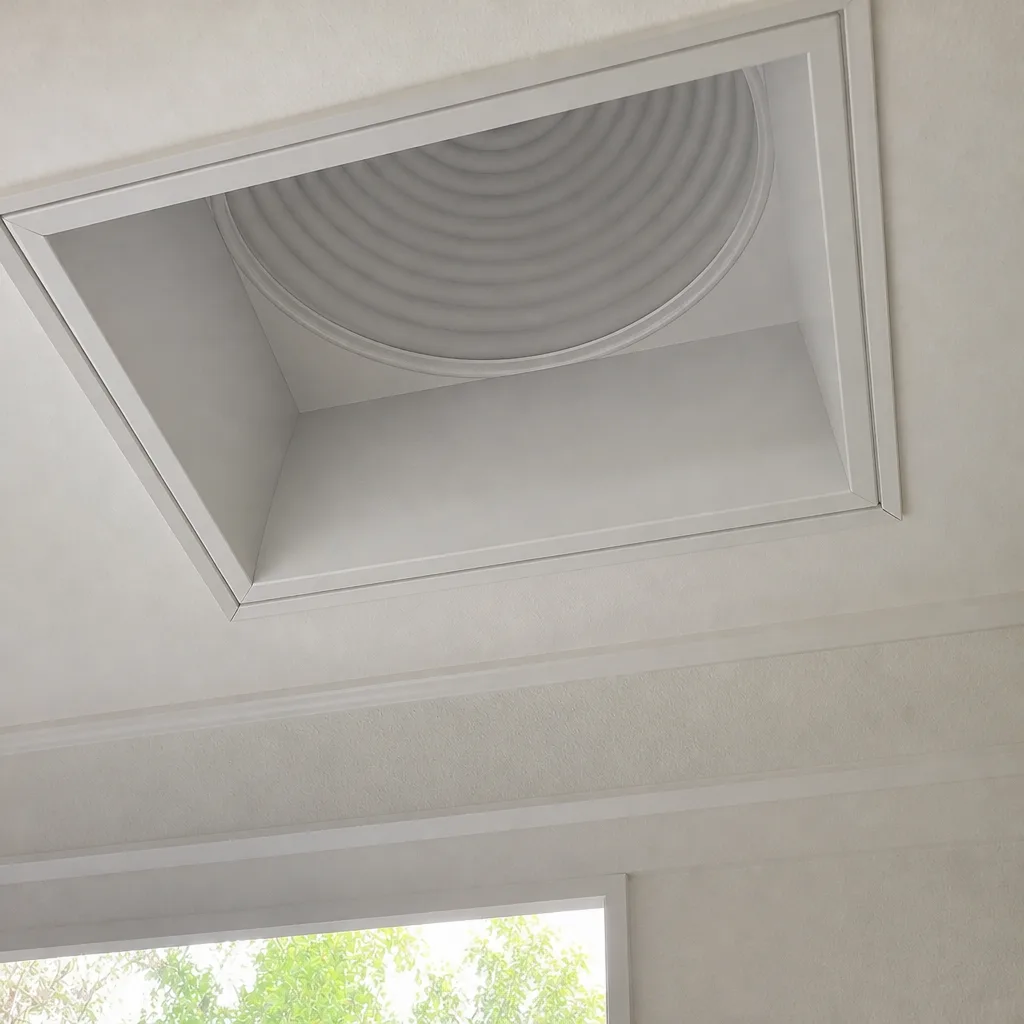
Whole-system duct and dryer vent check with before-and-after photos - you see exactly what came out of your vents
That "$99 whole-house special" is a bait ad - the real number appears once they are in your hallway, or the "clean" is a shop-vac at the register. We photograph the inside of your ducts before and after instead.
Air Duct Cleaning Troubleshooting in Richmond: Common Problems and How to Fix Them
If your house still smells musty two weeks after a duct cleaning, the cleaning probably wasn’t the problem – and it wasn’t the solution either. That’s the hardest lesson in this trade, and it’s the one homeowner after homeowner learns the expensive way. Most of what people blame on dirty ducts in Richmond turns out to be a mechanical failure inside the system: a run of flex duct that’s collapsed, a joint that came apart behind a wall, a return that was never sized right for the equipment pushing air through it. No amount of brushing and vacuuming fixes a duct that’s crushed shut. What this guide does is teach you to read your system’s symptoms before you call anyone. You’ll learn which problems come from contamination and which come from structure, how to tell them apart with tests you can run yourself, and when the real culprit is a filter or a blower motor.
Styles & brands we work with
- Whole-home duct cleaning
- Dryer vent cleaning
- Camera inspection
- Sanitizing & deodorizing
Quick Answer
The most common duct problems in Richmond are not dirt but structure: collapsed flex duct, disconnected joints, and undersized returns that starve airflow. You can tell the difference by watching your thermostat and your registers – rooms that never reach temperature point to a structural problem, while odor or visible debris at the vents points to contamination. A cleaning fixes the second kind. It does nothing for the first.
Table of Contents
- Contamination Problem or Structural Problem? How to Tell
- Three Airflow Tests You Can Run Before Calling Anyone
- Collapsed Flex Duct vs. Dirty Ducts: Reading the Symptoms
- Why Richmond’s Older Duct Systems Don’t Match Modern HVAC
- Why the Post-Cleaning Camera Inspection Matters More Than the Cleaning
- The Decision Tree: Re-Clean, Repair, or Look Elsewhere
- Filter, Blower Motor, and the Triggers You Can’t See
- Common Mistakes to Avoid
- When to Call a Professional
- Frequently Asked Questions
- The Bottom Line
Contamination Problem or Structural Problem? How to Tell
Every duct complaint in Richmond falls into one of two buckets, and knowing which bucket you’re in saves you from paying for the wrong service. A contamination problem means the system is intact and the air moving through it is dirty. A structural problem means the system itself is broken and the air isn’t moving the way it should. The two get confused constantly, because both can produce dust, uneven comfort, and a house that never quite feels right.
Here’s the simplest way to think about it. Contamination is about what’s inside the duct. Structure is about the shape and connection of the duct itself. A system that’s clean but crushed delivers almost no airflow, and a system that’s perfectly built but caked with decades of dust still pushes plenty of air while fouling it along the way.
Use this comparison to sort your own home:
- Signs of a contamination problem: musty or dusty smell when the system runs, visible dust streaks around the register grilles, debris or lint on the supply vents themselves, allergies that flare when the air handler kicks on, and a general sense of dust settling faster than normal.
- Signs of a structural problem: certain rooms that never reach the thermostat’s set temperature no matter how long the system runs, weak or uneven airflow between rooms, whistling or roaring at the registers, and air handler equipment that runs long and hard without delivering the comfort it should.
- Signs of both at once: dust in the air plus room-by-room temperature gaps. Richmond homes with original ductwork from the 1960s and 1970s fall into this category more often than any other. Cleaning the system won’t fix the airflow, and repairing the airflow won’t remove the years of accumulation already sitting in the duct walls.
If you’ve had air duct cleaning done and the smell or the dust came right back, that’s a strong signal you were dealing with a structural problem that a cleaning couldn’t touch. When the ducts themselves are sound but the house is still uncomfortable, the answer isn’t another cleaning. It’s a real diagnosis. Our technicians have up to 15 years of experience reading exactly these symptoms, and we can tell the difference before you spend anything.
Three Airflow Tests You Can Run Before Calling Anyone
You don’t need special tools to start diagnosing your own system. Three simple tests, done in an afternoon, will tell you more about what’s wrong than a phone call description ever could. Run them in order and write down what you find, because a technician will want to know the pattern.
Test 1: The Register Paper Test
- Tear a strip of tissue or lightweight paper about the size of a dollar bill.
- Hold it near each supply register while the system runs with the thermostat calling for cooling or heat.
- Watch how strongly it pulls against the grille. A healthy supply register should have enough force to hold the paper flat and pull it toward the grille or blow it steadily outward.
- Note which registers are strong, weak, or barely moving air at all. The pattern matters more than any single reading.
If one or two rooms are consistently weak while the rest are fine, you’re looking at a structural issue in those specific runs. If every register is weak together, look upstream at the filter, the blower, or a crushed main trunk line.
Test 2: The Return Air Check
Returns are the grilles that pull air back into the system. Hold the same paper strip near your main return. It should pull firmly toward the grille and feel steady. A weak return means the system is starved for air, which is common in Richmond homes where a single undersized return serves the whole house. When a return can’t feed enough air, every supply register downstream suffers, no matter how well the duct is built.
Test 3: The Room-by-Room Temperature Log
Set your thermostat and let the system run a full cycle. Then walk every room with a cheap thermometer and write down the actual temperature in each. A well-balanced system holds all rooms within a couple of degrees of the set point. If two or three rooms stay noticeably cooler or warmer than the rest, those runs are the ones to investigate. Rooms that never catch up are the classic signature of collapsed or undersized ducting.
These tests don’t replace a professional inspection, but they sharpen your questions. When you call, describing “the guest room register is weak and that room stays four degrees short” is a lot more useful than “something’s wrong with my ducts.”
Collapsed Flex Duct vs. Dirty Ducts: Reading the Symptoms
Dirty ducts and a collapsed flex duct produce completely different symptoms, and confusing them is the single most expensive mistake a homeowner can make. Flex duct is the corrugated, silver or insulated tubing that runs from the main trunk to individual rooms in most modern homes. When it collapses – crushed, kinked, or sagging so the inner wall pinches shut – it stops moving air almost entirely through that run.
The thermostat tells the story clearly once you know what to look for:
- Collapsed flex duct: specific rooms never reach temperature. The system runs and runs, that room stays off its target, and the rest of the house may be fine. Airflow at that register is weak even after a filter change. The thermostat may swing or short-cycle if the system is fighting an airflow restriction.
- Dirty ducts: airflow stays reasonably strong at every register, but the air carries odor and dust. You may see debris collecting at the supply vents, or notice the smell is strongest right when the system kicks on. Temperatures across rooms stay roughly even.
A room that never reaches temperature has an airflow problem, and cleaning ductwork does not un-crush a run of flex duct. If a technician cleans the system and that room is still cold, the next step isn’t a re-clean. It’s a visual inspection of the duct run itself. This is why we treat Air Duct Repair as a standalone service – some of what we find in Richmond homes isn’t dirty at all, it’s simply broken. We clean it. If it’s broken, we fix it. That distinction saves homeowners from paying for a cleaning that was never going to help.
Why Richmond’s Older Duct Systems Don’t Match Modern HVAC
Plenty of Richmond homes still run on ductwork built for a different era of heating and cooling, and that mismatch creates problems no cleaning can solve. Homes built through the 1960s and 1970s were originally ducted for equipment with a different tonnage and airflow profile than what’s sitting in the garage or attic today. When a later HVAC replacement went in with different capacity, the original duct system frequently wasn’t resized to match it.
What that looks like in practice:
- Undersized returns. The system can only move as much air as the return lets it draw, and older homes often have one return for an entire floor. Modern equipment wants more air than that return can supply, so the whole system runs starved.
- Undersized supply runs. A run sized for the original equipment may be too small for a newer, higher-capacity unit, creating high static pressure and weak delivery at the far registers.
- Mixed materials. Older Richmond homes frequently have a patchwork of original ductboard, rigid metal, and later-updated flex sections spliced in over the years. Each transition is a potential leak or a place where airflow gets throttled.
- Improvised routing. When additions or remodels went up, duct runs sometimes got redirected through tight spaces, which can crush or kink a run to get it to fit.
The comfortable winter climate here matters too. Because Richmond winters stay mild, older homes often weren’t built with the same duct insulation standards you’d see where the heating load is severe, so temperature loss through long runs is a real factor in comfort complaints. The point isn’t that old ductwork is bad – it’s that it has to be checked against what’s actually pushing air through it today. If you’ve noticed your system just doesn’t perform like it should, a proper diagnosis of the duct structure, not just a cleaning, is where to start. You can learn more about our service area on the Richmond page.
Why the Post-Cleaning Camera Inspection Matters More Than the Cleaning
Here’s a truth that surprises most homeowners: the inspection is often worth more than the cleaning, especially when a problem keeps coming back. A camera run through the duct system after cleaning shows you exactly what’s inside – whether the walls are actually clean, whether there’s a split seam, whether flex duct is crushed, whether a joint has separated behind a wall. Without that visual confirmation, you’re taking a technician’s word for it, and you have no way to know whether the problem you called about was actually addressed.
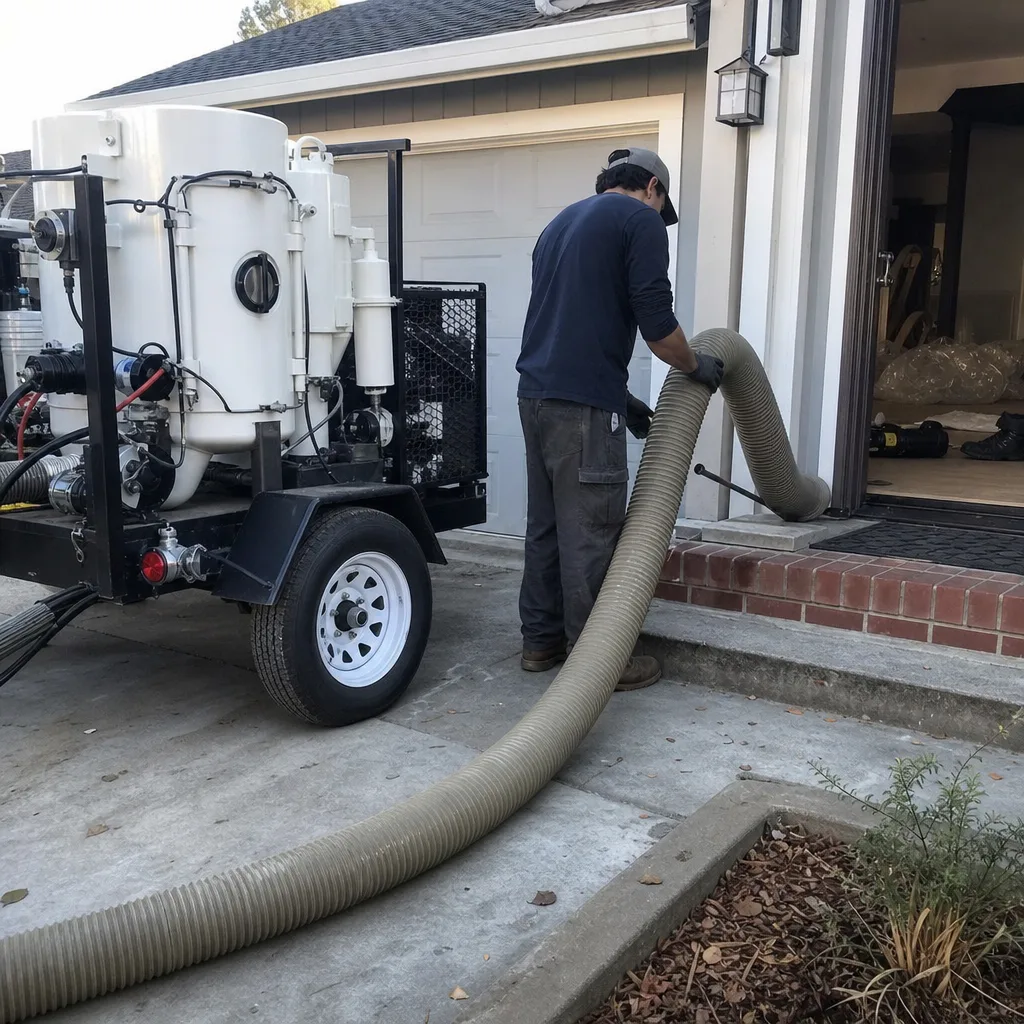
Professional duct work relies on equipment and visibility working together. Our process uses Rotobrush rotary brush systems to agitate debris off the duct walls and Nikro HEPA-rated vacuum equipment to capture it, and the camera inspection confirms what those tools found and cleared. We can also work with Abatement Technologies negative air machines to hold the workspace under negative pressure so contaminants are contained rather than pushed back into your living space. That’s a remediation-grade standard, and it’s the reason before-and-after photos from your own ducts should be part of any job you pay for.
If a duct company cleans your system and can’t show you a camera inspection or photos of what was removed, you’ve learned something important. When the underlying problem is structural – a break, a collapse, a disconnected joint – the camera inspection is what turns a guessing game into a repair plan. That’s the moment cleaning and repair have to be the same call, and it’s why we offer both. For the problems that come down to contamination and airflow, you can reach us directly at (844) 459-0252.
The Decision Tree: Re-Clean, Repair, or Look Elsewhere
Once you’ve run the tests and gathered symptoms, the path forward narrows to a short set of options. Work through this in order and you’ll land on the right one.
- Is the system clean and the airflow strong, but the smell or dust persists? The contamination may not be in the ducts at all – check the filter, the air handler, and any damp spots near returns before paying for another cleaning.
- Was the system cleaned recently and the original problem came right back? That’s a structural problem a cleaning missed. Ask for a camera inspection before spending on a second cleaning.
- Are specific rooms consistently weak or slow to reach temperature, with no obvious debris? Look at the duct runs serving those rooms. Collapsed flex or a disconnected joint is the likely cause, and that calls for repair, not cleaning.
- Is there visible dust or debris at the registers and a smell when the system runs, with even temperatures across the house? That’s a genuine contamination problem and a cleaning is the right call.
- Is every register weak at once, with strong pull at the return? Check the filter first, then the blower. The ducts may be fine.
- Has it been years since any cleaning, and you see no structural signs? A cleaning makes sense as routine upkeep, even if nothing feels urgent.
The mistake homeowners make is skipping straight to option four – assuming every problem is dirt – when the symptoms point elsewhere. Reading the system first is the whole point of this guide. A structural issue that keeps getting cleaned is a structural issue that keeps getting cleaned.
Filter, Blower Motor, and the Triggers You Can’t See
Sometimes the problem in your duct system isn’t the ducts at all. Two components downstream of the ductwork cause a surprising share of airflow complaints, and both are worth ruling out before you call anyone about cleaning or repair.
The filter is the first thing to check. A clogged filter chokes the system the same way a crushed duct does – weak airflow everywhere, equipment running long and hot, comfort that never quite arrives. Filters also come in different resistance ratings, and a filter that’s too restrictive for your equipment can starve airflow even when it’s brand new. If your airflow problems appeared gradually and your filter is overdue, replace it and re-check your registers before assuming the ducts are the issue. If the airflow returns to normal, you’ve solved it for the cost of a filter.
The blower motor is the second suspect. If the motor is failing, it turns slower than it should, and every register in the house suffers at once. You’ll often hear it before you see it – a change in the sound of the air handler, a motor that sounds labored. That’s an HVAC service issue, not a duct issue, and cleaning the ducts won’t fix it.
There’s one more layer worth knowing for Richmond homes with whole-home air quality systems. If your home runs a system like Honeywell or Aprilaire, those systems tie into the ductwork and can affect airflow and filtration on their own. Understanding how they interact with the duct system, not just cleaning around them, is part of a real diagnosis. Our work with these systems means we can look at the whole picture – filter, blower, duct structure, and air quality equipment – before recommending a service. That’s the difference between chasing a symptom and solving the problem.
Common Mistakes to Avoid
- Assuming every problem is dirt. If your rooms never reach temperature, the ducts may be crushed, not dirty, and no cleaning will fix a collapsed run. Read the symptoms before you book the service.
- Paying for a second cleaning when the first one didn’t solve it. If the same problem returned after a cleaning, it was never a contamination issue. Ask for a camera inspection before spending again.
- Skipping the post-cleaning inspection. Without before-and-after photos or a camera check, you have no way to confirm the work was done. Insist on it every time.
- Replacing flex duct that only needed cleaning, or cleaning duct that only needed repair. Match the fix to the diagnosis. In older Richmond homes, the duct run serving a cold room is usually the one to inspect first.
- Ignoring the filter and blower. A clogged filter or a failing blower motor mimics duct problems constantly. Check both before you pay for duct work.
- Assuming a newly installed HVAC unit will perform with the old ductwork. A newer system pushing more air through undersized returns and supplies will always underdeliver. The duct system has to match the equipment.
- Hiring on price alone for a job that needs diagnosis. A low price for a cleaning that can’t find a structural problem costs you twice.
When to Call a Professional
Call a professional when your own tests point somewhere you can’t safely investigate – a room that never reaches temperature, a return that’s clearly starved, visible debris or a smell that returns after a cleaning, or any sign that a duct run has come apart behind a wall. Those are the cases where a camera inspection and a repair plan do more than a cleaning ever could. If you’re dealing with persistent comfort problems through the mild Richmond winter or allergy flare-ups that won’t settle, the cause is worth diagnosing properly rather than guessing at. Meadow Air Duct Cleaning offers free estimates in Richmond – call (844) 459-0252. We answer 24/7, with fast dispatch from 7am to 7pm.
Dryer vent problems are a separate matter with their own stakes. If your dryer takes longer and longer to dry a load, call for dryer vent cleaning before you assume the appliance is failing. A clogged vent is a fire hazard, and clearing it is straightforward when it’s done right.
Frequently Asked Questions
If airflow stays strong at the registers but the air smells musty or carries dust, it’s likely a contamination problem and a cleaning is the right fix. If specific rooms never reach temperature or airflow is weak at some registers and strong at others, that points to a structural problem like collapsed flex duct, and a cleaning won’t solve it. Call (844) 459-0252 for an exact diagnosis – estimates are free.
The cleaning probably didn’t address the actual cause, which is often structural or comes from a filter, air handler, or moisture issue outside the ducts themselves. If the smell returned that fast, ask for a camera inspection before paying for another cleaning. Call (844) 459-0252 and we’ll help you narrow it down.
Yes. When flex duct is crushed or kinked, it stops moving air to that room almost entirely, so the room stays off its set temperature no matter how long the system runs. This is one of the most common structural problems in older Richmond homes, and it calls for repair, not cleaning. Call (844) 459-0252 for an estimate.
Air duct cleaning is priced per whole system, not per vent, and the written estimate sets the final price before any work begins. We agree on one flat price for the system up front, with no per-vent pricing and no surprises. Call (844) 459-0252 for a free estimate.
Cheap quotes often skip the equipment and the inspection that make a cleaning meaningful – consumer-grade vacuums instead of professional systems, and no camera check to confirm what was actually cleared. In our experience, a low price for a cleaning that can’t diagnose a structural problem costs you twice. Call (844) 459-0252 to see the difference a proper job makes.
Ask for before-and-after photos of your own ducts and a camera inspection after the cleaning. That’s the confirmation that separates a real job from a quick pass with a vacuum. We provide both on every cleaning so you can see what was removed. Call (844) 459-0252 for a free estimate.
The Bottom Line
Most duct problems in Richmond aren’t about dirt – they’re about structure, and reading your system’s symptoms is the fastest way to spend your money in the right place. Weak airflow in specific rooms points to collapsed flex duct or a disconnected joint; odor and debris with even temperatures point to contamination. Check your filter and blower before you blame the ducts. If a cleaning already failed to solve the problem, a camera inspection is the next step, not a second cleaning. We clean it, and if it’s broken, we fix it – that’s the promise behind Meadow Air Duct Cleaning. Call (844) 459-0252. We answer 24/7. Fast dispatch from 7am to 7pm, Sunday through Friday.
Written by the team at Meadow Air Duct Cleaning.
See the difference
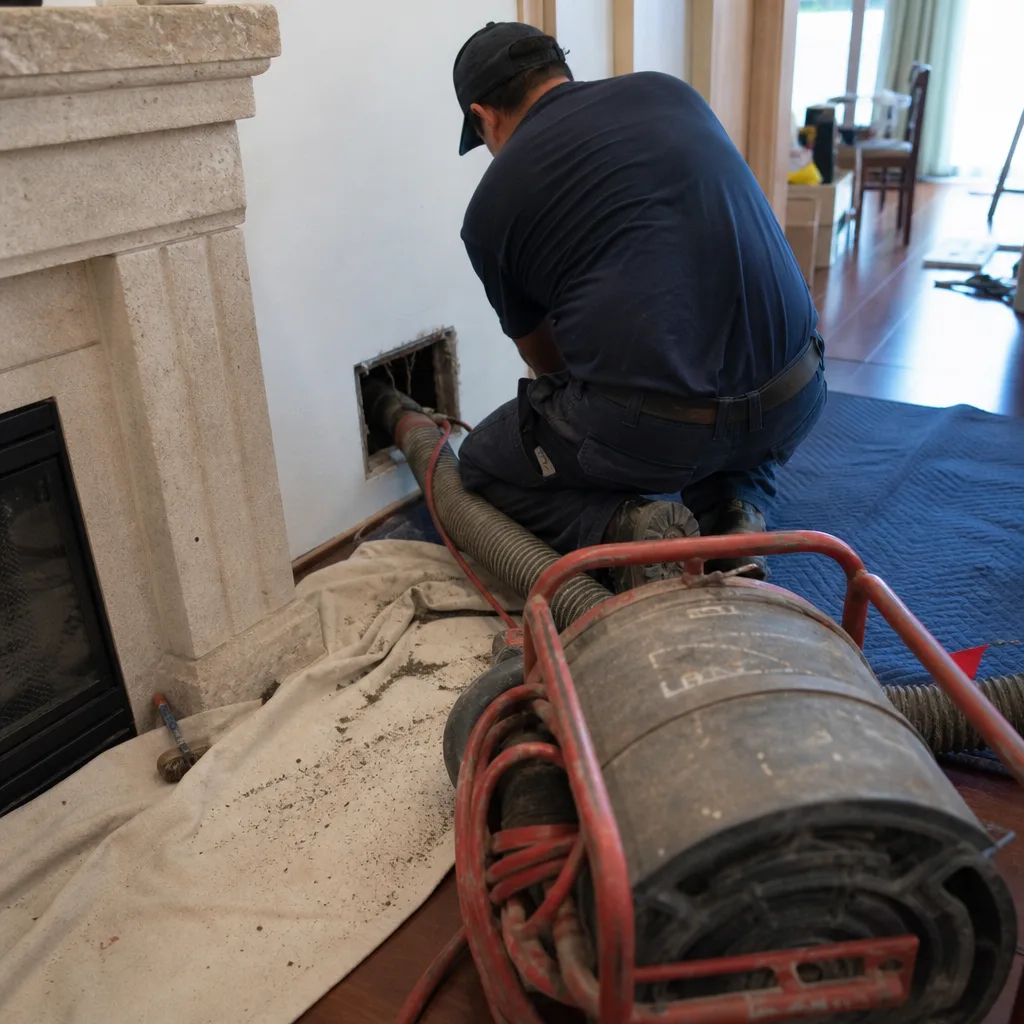 Before
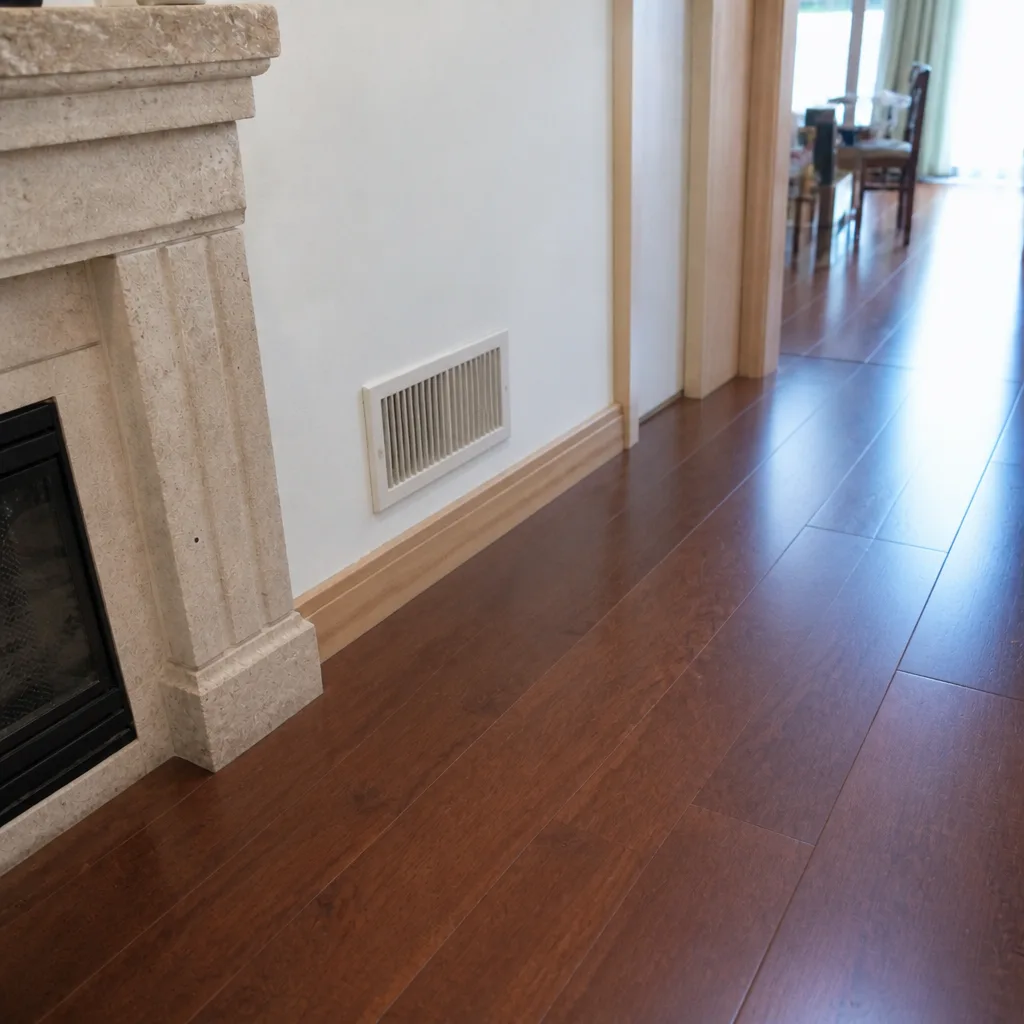 After
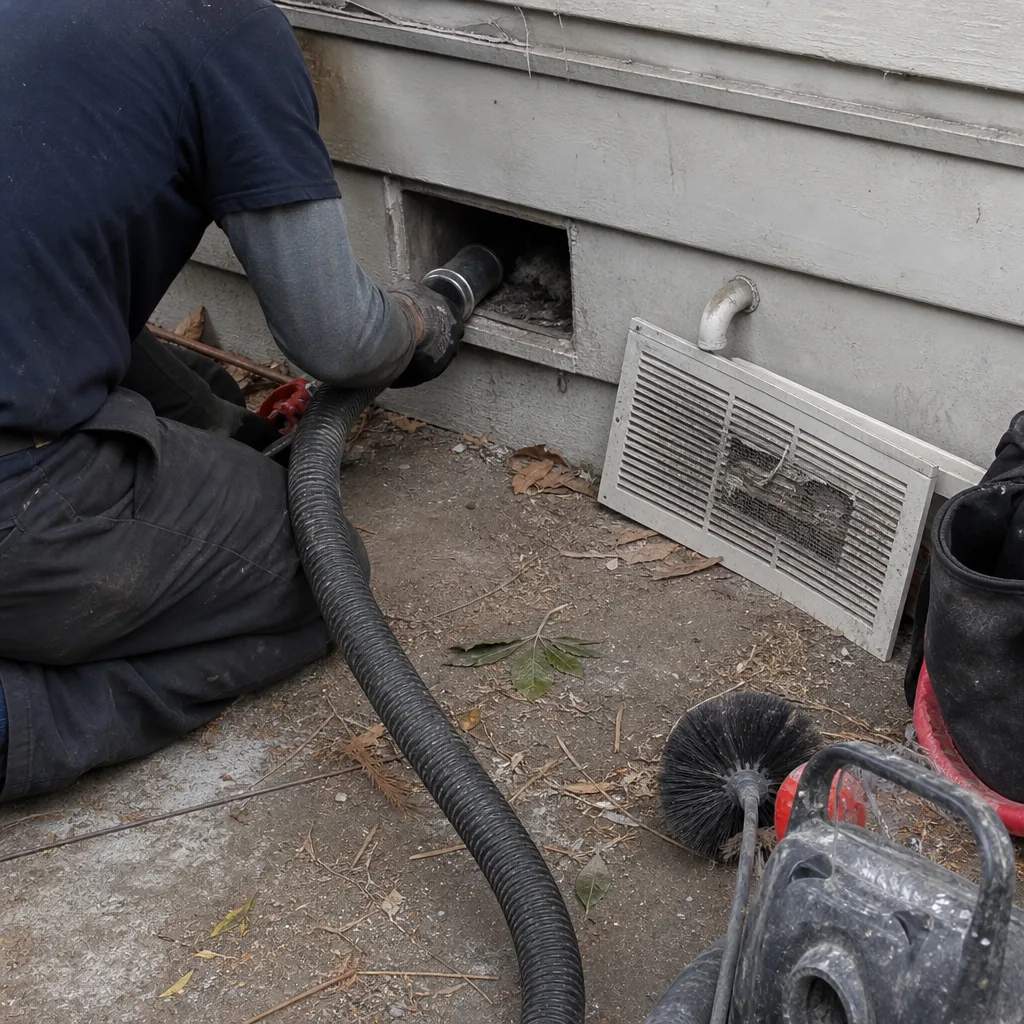 Before
 After
 Before
 After