
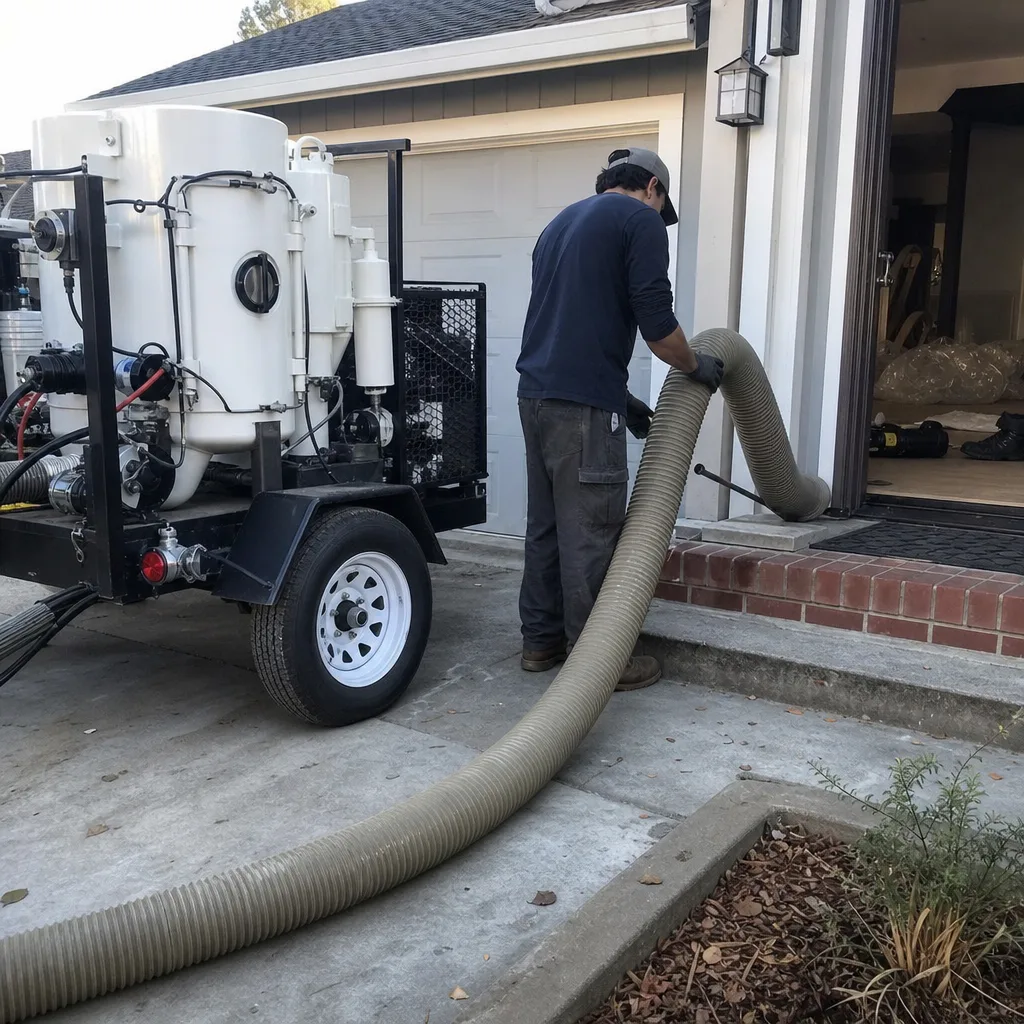
Last updated November 15, 2026
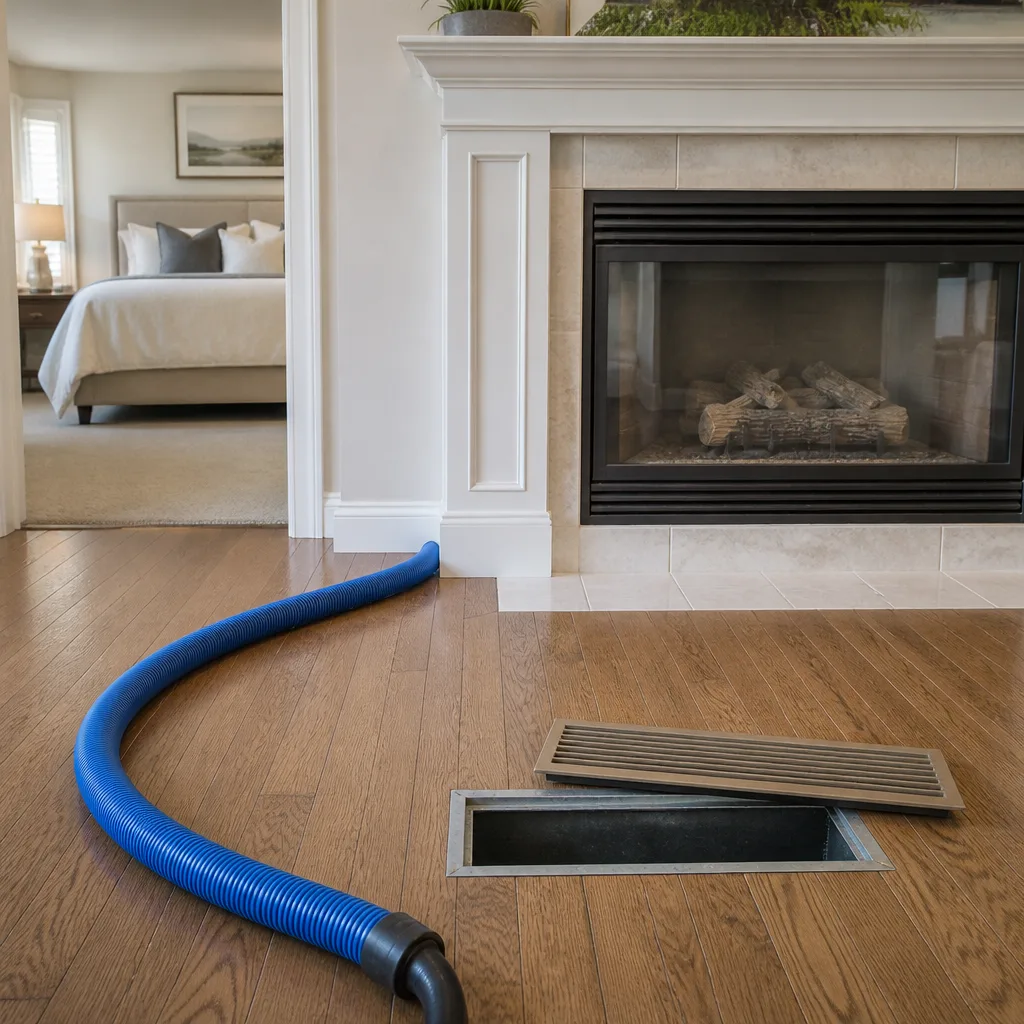 Whole-home duct cleaning
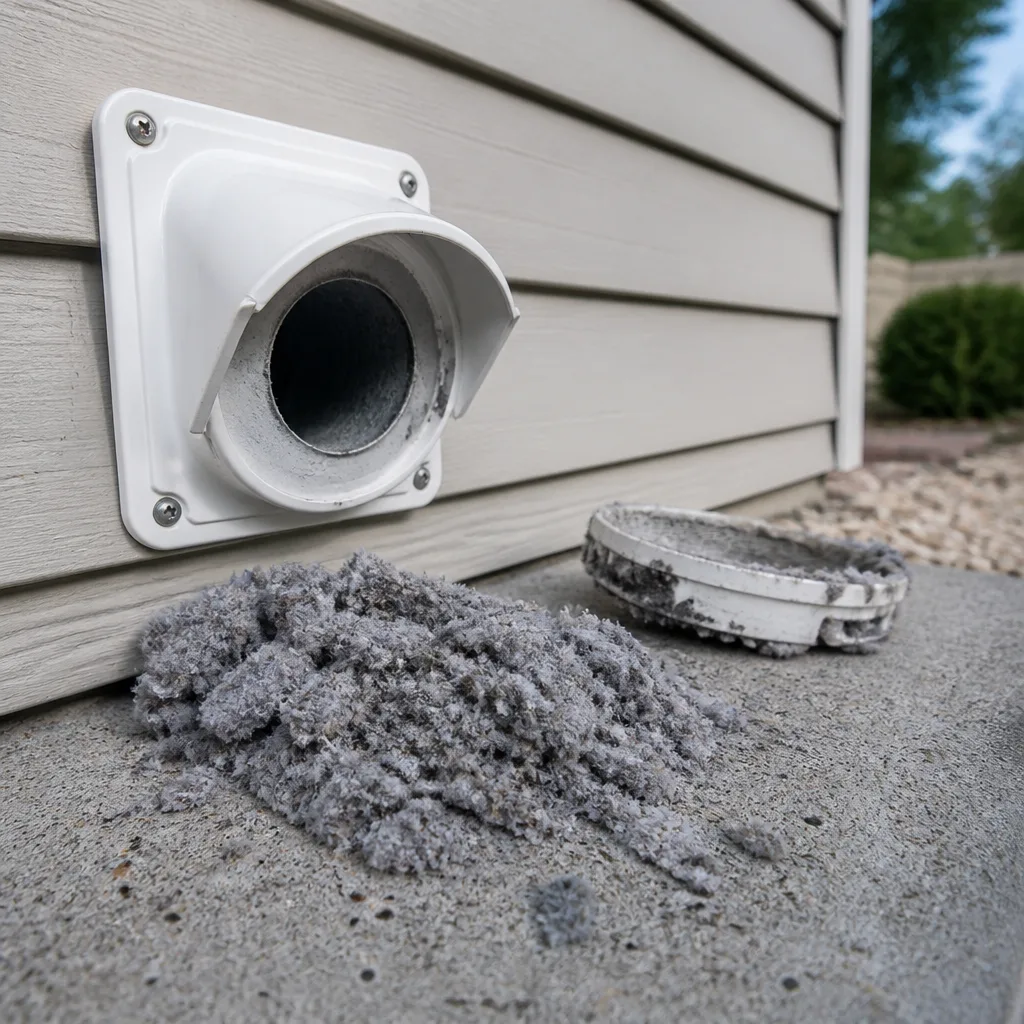 Dryer vent cleaning
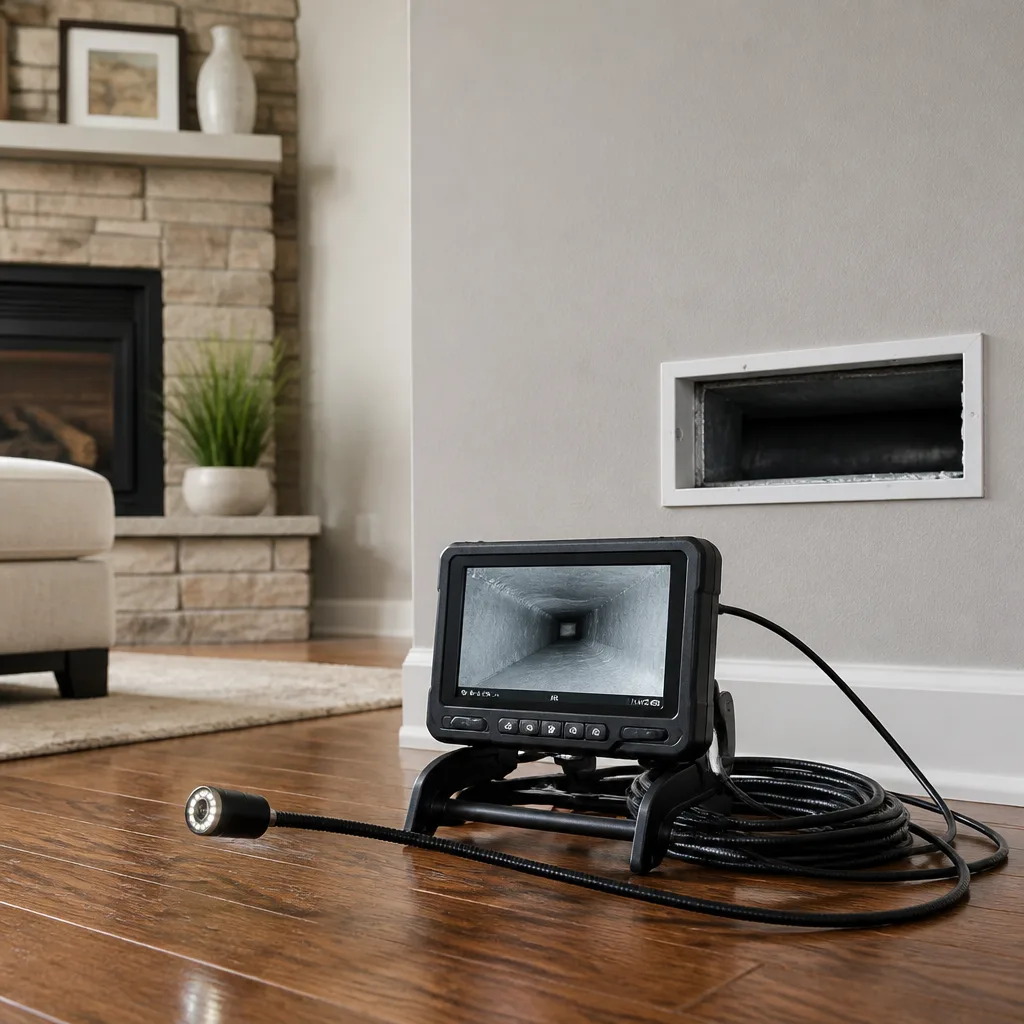 Camera inspection
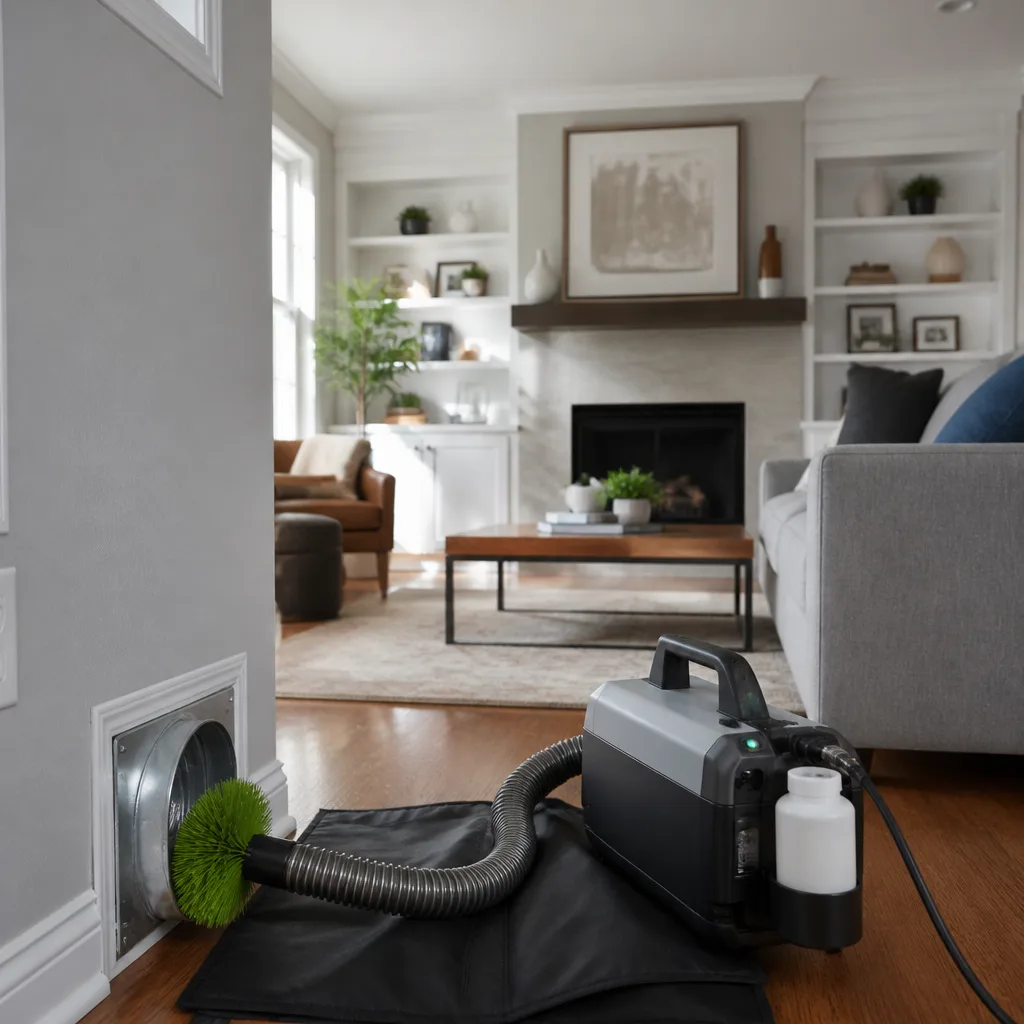 Sanitizing & deodorizing
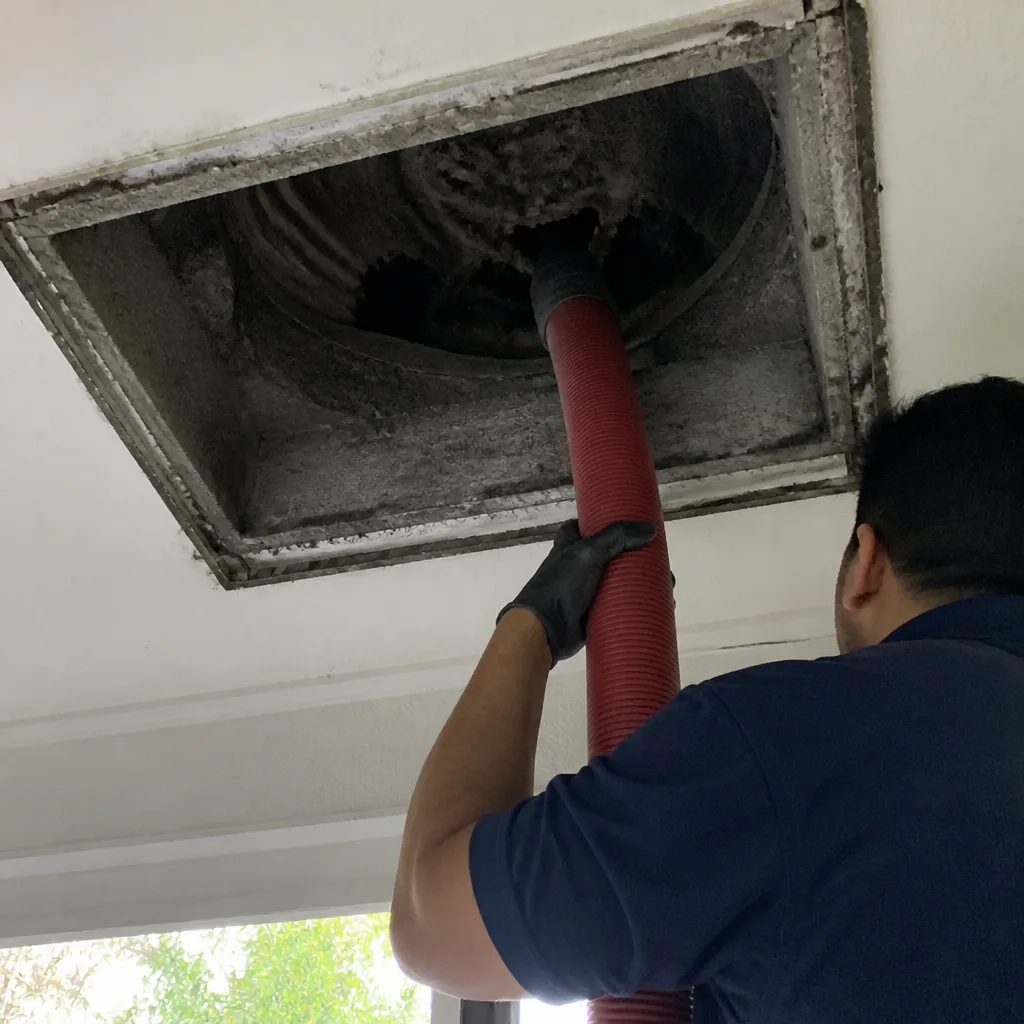
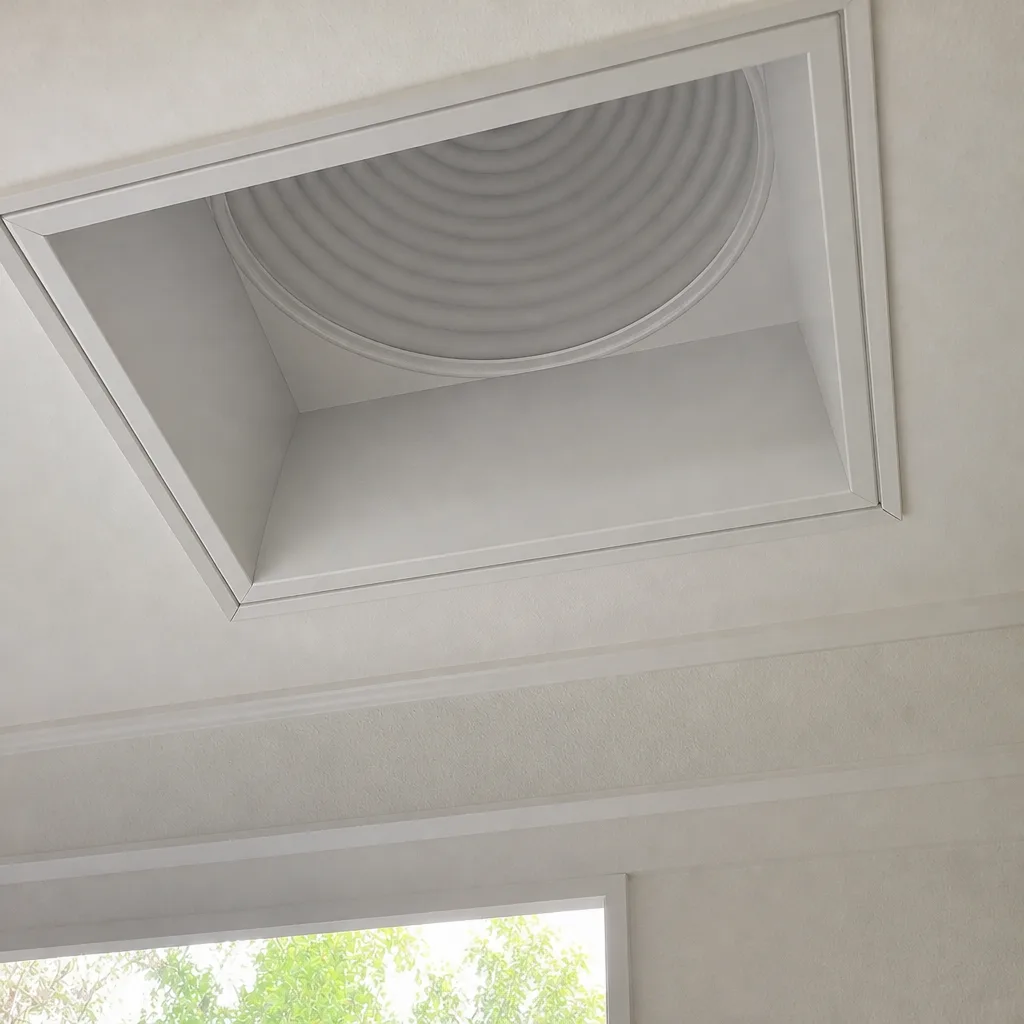
Whole-system duct and dryer vent check with before-and-after photos - you see exactly what came out of your vents
That "$99 whole-house special" is a bait ad - the real number appears once they are in your hallway, or the "clean" is a shop-vac at the register. We photograph the inside of your ducts before and after instead.
Air Duct Cleaning Emergency Preparedness Guide for Richmond Homes
Most Richmond homeowners think about duct cleaning as a maintenance errand, something to get around to after a remodel or when a filter change starts feeling overdue. The reality is that in Richmond, ductwork takes hits on a schedule no maintenance calendar predicts: wildfire smoke events that push particulate through the entire Bay Area, and earthquakes that can pull duct joints apart in seconds. Neither is a cleaning problem in the usual sense. Each calls for a specific sequence of steps, and doing them out of order can make things worse. This guide walks you through both scenarios, from the AQI threshold where you should shut your system down to the paperwork your insurer will want afterward. It’s written for Richmond homes, with the East Bay’s particular risks in mind.
Quick Answer
After a major wildfire smoke event or an earthquake, your ductwork needs more than a standard cleaning appointment. For smoke, shut down forced-air systems once AQI passes roughly 150 and run them sparingly until outdoor air clears, then have the system cleaned within a few weeks. For earthquakes, inspect visible duct joints and confirm your gas line before you run HVAC; if you see separation or smell gas, call a professional before you touch the thermostat. Both scenarios benefit from professional equipment like Nikro HEPA vacuums and Rotobrush rotary agitation, not a shop vac.
Styles & brands we work with
- Whole-home duct cleaning
- Dryer vent cleaning
- Camera inspection
- Sanitizing & deodorizing
Table of Contents
- Post-Wildfire Smoke Protocol for Richmond Ductwork
- Earthquake Response Checklist for Ductwork
- Preparing Ducts Before Wildfire Season
- Emergency Contractor Questions vs. Scheduled Service
- Documentation for Insurance Purposes
- Common Mistakes to Avoid
- When to Call a Professional
- Frequently Asked Questions
Post-Wildfire Smoke Protocol for Richmond Ductwork
Smoke events don’t respect your cleaning schedule. After the 2018 Camp Fire, Bay Area HVAC technicians reported a surge in service calls from homeowners whose systems had run continuously through weeks of hazardous air quality, pulling fine particulate deep into ductwork that standard cleaning intervals hadn’t accounted for. Richmond sits squarely in the path of the smoke plumes that funnel south and west through the East Bay when fires burn to the north or east, and the smoke doesn’t discriminate between neighborhoods.
What you do during and immediately after a smoke event matters as much as the cleaning itself. Here’s the protocol that works:
- Watch the AQI, not the sky. When local AQI passes roughly 150, shut down your forced-air system if you can do so comfortably. Running the fan pulls outside air through the return and deposits smoke particulate onto duct walls, the blower, and the coil.
- Seal the path in. Close windows and exterior doors. If you have a fresh-air intake tied to your HVAC, close or dampen it if the manufacturer allows.
- Use filtration wisely. Upgrade to the highest MERV filter your system can handle without restricting airflow, but don’t go beyond spec just because the box says it filters more. Restricted airflow on a smoke-filled day stresses the blower.
- Wait for clear air before restarting. Once the AQI drops back into the moderate range and stays there, run the system normally and change the filter. You may need to change it again in a week.
- Schedule cleaning within 2-4 weeks. Prolonged smoke exposure leaves a residue on duct walls that a filter change can’t reach. That’s when professional cleaning matters.
What cleaning should address after a smoke event: the return-side trunk where smoke concentrates, the supply runs feeding bedrooms and living spaces, the blower compartment, and the evaporator coil. Equipment built for remediation professionals, brought to your home, is the difference between capturing that residue and blowing it back into your living room. Nikro HEPA-rated vacuums and Abatement Technologies negative-air machines containing the work area are the standard we hold ourselves to.
Earthquake Response Checklist for Ductwork
Richmond sits near active fault lines, and even a moderate shake can do things to ductwork that don’t show up until the system starts rattling or a bedroom stops getting air. Flexible duct connections are the first to separate. Seams in sheet-metal runs can open. Duct hangers can shift. None of these are visible from the thermostat.
Here’s the order of operations after a shake:
- Check the gas line first. If you smell gas or hear hissing near the meter or the furnace, leave the house and call your utility. Do not run HVAC, do not flip switches, do not light anything.
- Visually inspect accessible ductwork. In the garage, attic, crawlspace, or wherever your runs are exposed, look for separated joints, sagging flex duct, disconnected boots at registers, and ductwork resting on the ground where it used to hang.
- Look for dust plumes at registers. After you restart the system (once gas is confirmed safe), watch the supply registers on first run. A visible puff of dust from a register often means a joint failed somewhere upstream.
- Listen for new noise. Rattle, whistle, or a room that suddenly gets less airflow are all signs of a breach. So is a room that gets more airflow than before.
- Have ducts scoped before resuming normal use if anything looks off. A camera inspection is the only reliable way to see separation inside walls, chases, or attic runs you can’t reach.
If your system includes an Aprilaire or Honeywell filtration unit, check the cabinet for damage as well. A cracked filter housing on a whole-home air cleaner defeats the point of the equipment.
Preparing Ducts Before Wildfire Season
Wildfire season in the East Bay isn’t a fixed date on the calendar, which is exactly why prep work is worth doing early. The prep list is short and none of it is exotic.
- Change the filter on a schedule, not on smoke alerts. If you wait until the AQI spikes to think about filtration, you’re already behind. Stay ahead during spring and early summer.
- Confirm your system seals. Return-side leaks in particular pull unfiltered air from garages and crawlspaces. A technician can check this in minutes with a smoke pencil or pressure test.
- Ask about a pre-season inspection. This should cover: filter condition and fit, return leakage, supply joint integrity, blower cleanliness, coil condition, and the condition of any whole-home air cleaner cabinet.
- Know your AQI trigger point. Decide in advance at what number you’ll shut the fan off, so you’re not making that call during a stressful week.
- Get on a cleaning schedule that matches your home. Homes with pets, recent renovation, or allergy sufferers in the household need more frequent service than homes that don’t fit that profile.
If you’ve been meaning to have air duct cleaning done, late spring is a smart time to schedule it. The work is done before the smoke, not in the middle of it.
What a Pre-Season Inspection Should Actually Cover
A good inspection is diagnostic, not a sales pitch. The technician should be able to tell you which returns are leaking, whether your flex runs are sagging, whether the coil has visible buildup, and how your filtration is performing. If they can’t answer those questions in plain language, that’s a red flag. We clean ducts and we repair them, so we can diagnose structural problems in the system rather than just recommending a cleaning and moving on.
Emergency Contractor Questions vs. Scheduled Service
Calling a duct cleaner after a smoke event or an earthquake is different from booking a routine appointment. The questions you ask change, and the answers you should expect are more specific. Post-event demand spikes, and in every trade, demand spikes bring out contractors who are set up for volume rather than quality.
Here’s what to ask on an emergency call:
- What equipment will you bring? Consumer-grade shop vacs and small brush kits don’t capture fine smoke particulate. Professional-grade equipment is a specific, nameable thing, and a real contractor will tell you what they’re using.
- How will you contain the work? On a smoke job especially, negative air pressure and HEPA capture matter. If the answer is vague, keep asking.
- Can you repair what you find? A duct system that lost three joints in a shake isn’t fixed by cleaning. Ask whether the company does repair as a standalone service, not just cleaning.
- What’s the scope, in writing? Emergency or not, you should know what’s included before the work starts.
- How will you document it? See the next section. If they don’t take photos and write a report, you have nothing for the insurer.
On a scheduled appointment, the questions are gentler: what’s included in the standard cleaning, how long will the work take, what does the technician do if they find a broken joint midway through. Many companies that clean ducts can’t repair them, which means a scheduled cleaning can turn into a referral to another contractor. Meadow Air Duct Cleaning offers all three services under one roof: cleaning, dryer vent cleaning, and air duct repair.
Documentation for Insurance Purposes
If duct damage is part of a larger emergency claim (earthquake, smoke infiltration, a fire in one part of the house), your documentation matters long after the technician leaves. Insurance adjusters need specifics, and the clearer your file, the less pushback you get.
What to gather:
- Date-stamped photos before the work starts. Photograph the condition of the ductwork as found, especially any visible separation, soot, or debris.
- Photos of the work in progress. Containment setup, HEPA equipment in place, before-and-after of the trunk and supply runs.
- A written contractor report. It should describe what was found, what was cleaned, and what was repaired (if anything). The best reports name the specific components and note anything unusual.
- The invoice, itemized. Bundled line items are harder to process than a clear breakdown of labor and equipment.
- Any filter evidence. A photo of the filter taken out of the system after a smoke event is worth keeping. It shows the load the system was carrying.
Get all of it in writing, and get it before the truck leaves. Follow-up requests by phone weeks later are harder to satisfy than a folder assembled the same day.
How Wildfire Smoke and Earthquakes Change a Duct Cleaning Job
A standard cleaning is scheduled, paced, and predictable. Both smoke and seismic events change the shape of the job in ways a homeowner should know about before booking.
On a smoke job, the technician is dealing with fine particulate that deposits on duct walls, on the blower, and on the coil surface. Rotary agitation with a Rotobrush system is what dislodges that layer from the duct wall. Once loosened, it has to be captured, not just pushed downstream. HEPA-rated vacuum equipment at the far end, working alongside the rotary tool, keeps that captured. Without containment, an aggressive cleaning can push particulate into the living space, which is exactly what no one wants after two weeks of hazardous air.
On an earthquake job, the work is as much diagnostic as cleaning. Ductwork that separated at a joint during the shake may be sitting inside a wall or attic chase. Cleaning that ductwork before the joint is repaired just delivers air into the wall cavity. The right sequence is: inspect, repair first, clean second. That’s why we treat Air Duct Repair as its own service, not a bolt-on. If a technician finds a break mid-cleaning, they should stop and recommend repair, not charge ahead and give you a clean duct with a leak in it.
On homes with whole-home purification systems (Honeywell and Aprilaire are common in Richmond), the cleaning scope includes checking the cabinet seals and filter fit. A whole-home air cleaner only works if the housing around it is tight.
See the difference
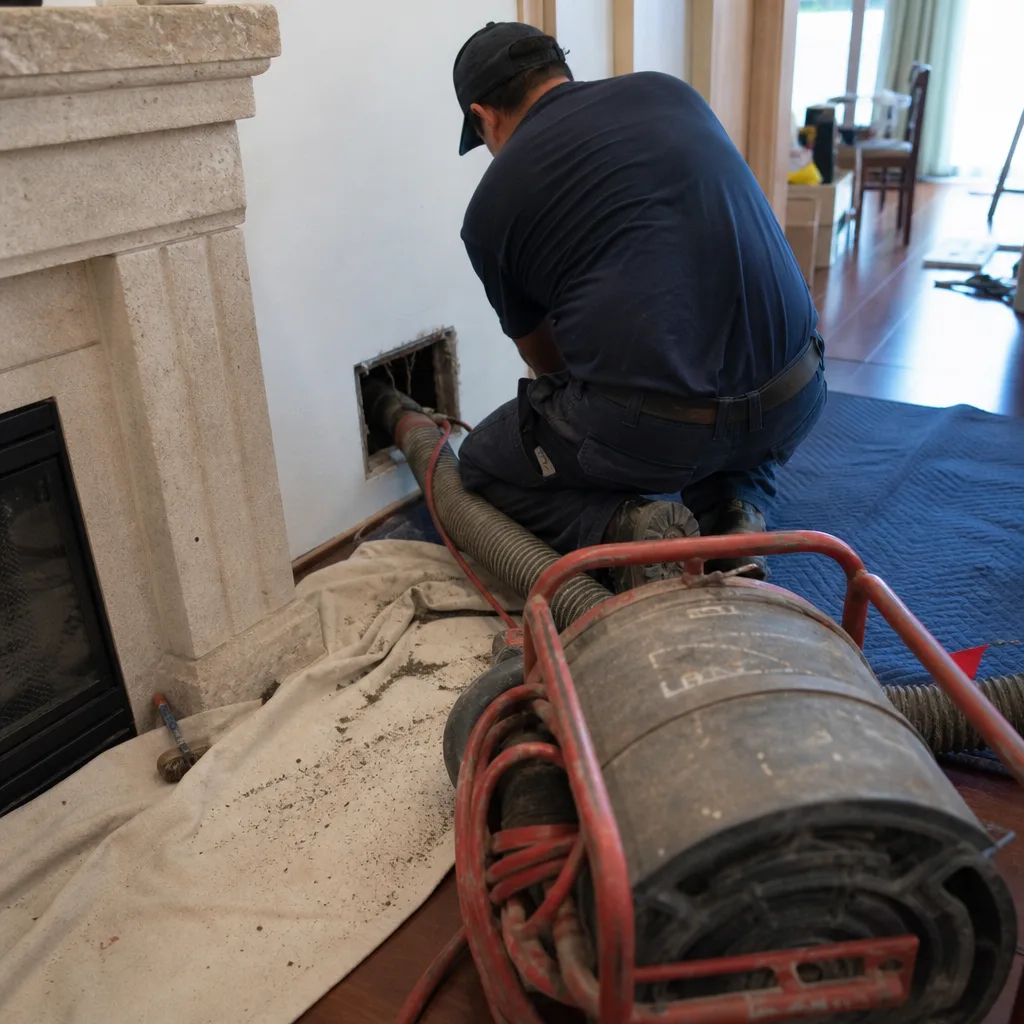 Before
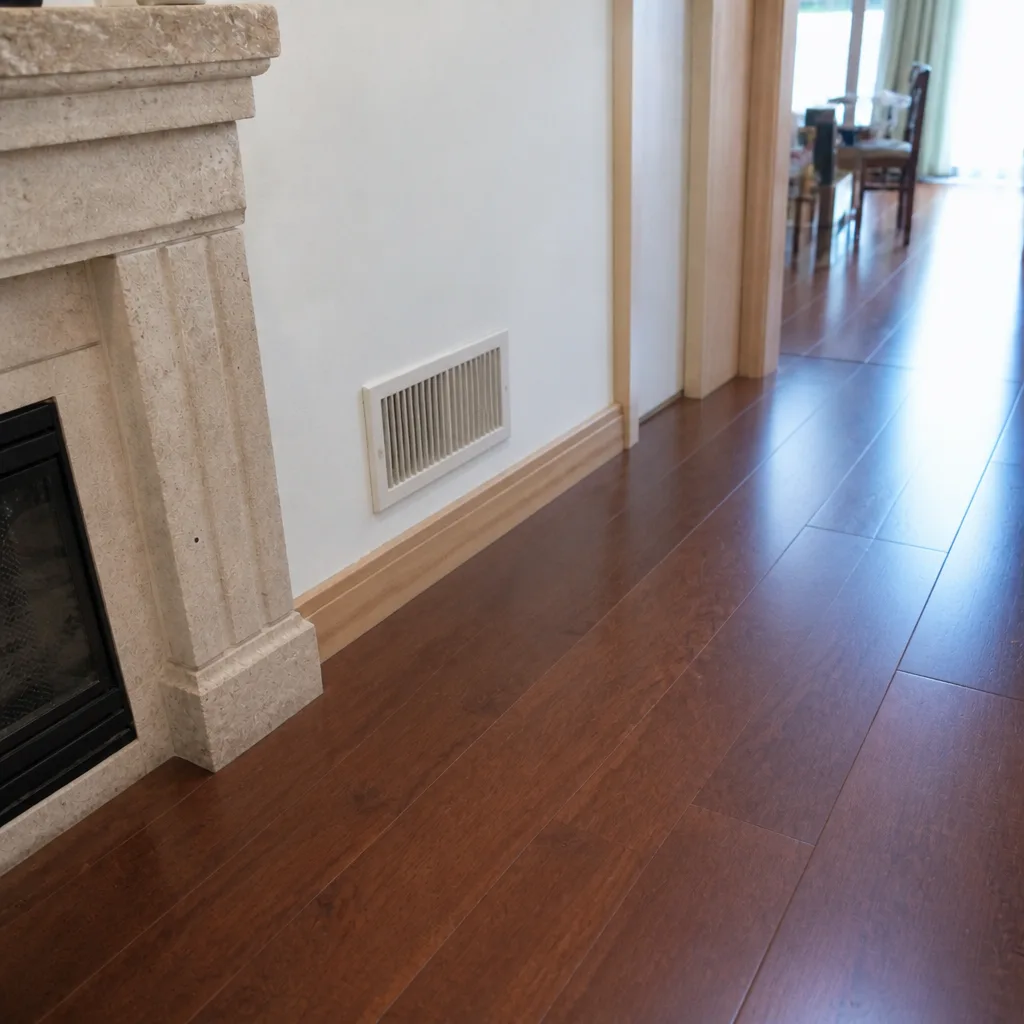 After
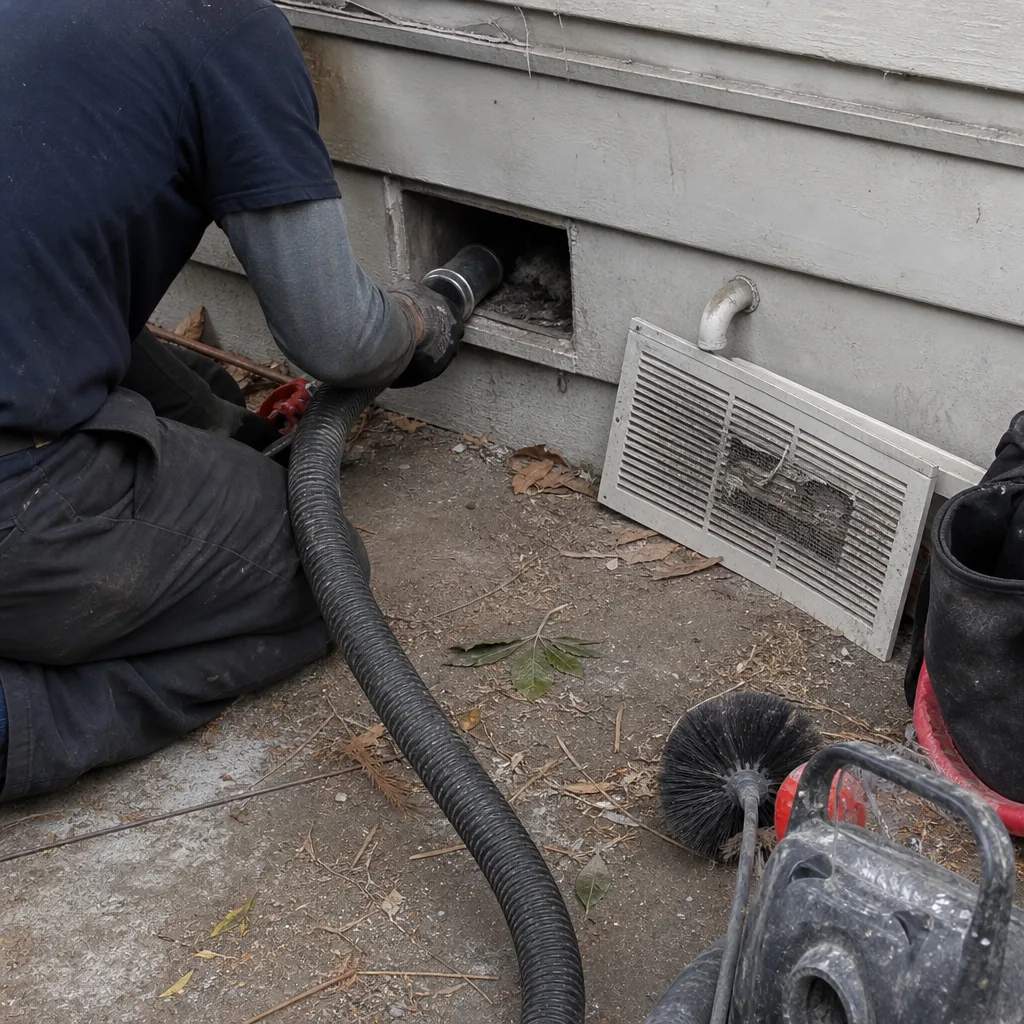 Before
 After
 Before
 After
Common Mistakes to Avoid
- Running the fan through a smoke event. The instinct to “keep the air moving” backfires when the outdoor air is hazardous. Shutting the system down during the worst of it protects the ductwork from a load of particulate it doesn’t need.
- Cleaning before inspection after a shake. Post-earthquake, the first job is finding the breaks, not cleaning the runs. Cleaning a duct system with separated joints just redeposits debris where the leaks are.
- Booking the cheapest quote in a demand spike. Post-event demand rewards contractors set up for volume. Ask what equipment they bring and whether they do repair before you book.
- Assuming a filter change is enough after weeks of smoke. Filters capture air passing through them. They don’t clean the walls of the duct that’s been carrying the smoke.
- Skipping the gas check after an earthquake. If you smell gas anywhere in the house, running HVAC pushes the situation in the wrong direction. Handle the gas first.
- Not photographing anything. If a claim is coming, the current state of the ducts needs to be captured before the work begins. Reconstructing it weeks later rarely works.
- Waiting until the fires are burning to schedule a cleaning. Pre-season cleaning and inspection is the whole point of doing it early. If you’re scheduling a Richmond cleaning in August because the sky is orange, you’re already in the backlog.
When to Call a Professional
Call a professional when you smell smoke inside the ducts more than a week after outdoor air has cleared, when a bedroom suddenly gets noticeably less airflow after a shake, when visible duct joints have separated anywhere you can see them, or when a renovated or older home is due for its first documented cleaning. Richmond homes built before modern duct-sealing practices tend to leak on the return side, which pulls unfiltered air from garages and crawlspaces; a professional cleaning plus a leak inspection is worth the call. Property managers with multiple Richmond units should book pre-season inspections so an event doesn’t catch the whole portfolio in the same week. Our technicians have up to 15 years of experience and can diagnose both the cleaning and the repair in one visit. Meadow Air Duct Cleaning offers free estimates in Richmond. Call (844) 459-0252.
Frequently Asked Questions
Around 150 on the AQI scale is the common trigger point. Above that, the outside air is hazardous enough that running the fan pulls more particulate into the ductwork than the filter can capture. Shut the system down when AQI crosses roughly 150, stay shut until the reading drops into the moderate range and stays there, then restart on normal settings and change the filter. Call (844) 459-0252 for an estimate if you want to know whether cleaning is warranted after a smoke event.
Two to four weeks is a reasonable window. Calling the day after the smoke clears usually catches contractors mid-backlog; calling too late (three months on) means the residue has settled deeper and filters may already have cycled it through the habitat twice. The sweet spot is within a month. Call (844) 459-0252 for a free estimate on the scope.
Pricing is per system, set by a written estimate after the technician sees the home. It’s not per vent, and it’s not a coupon price. That structure exists because homes vary: a small Richmond bungalow with six registers and a large multilevel with multiple zones aren’t comparable jobs. The written estimate sets the final price. Call (844) 459-0252 and we’ll schedule a free estimate.
Usually because the equipment is cheaper. A shop vac and a brush kit is not the same tool as a Rotobrush rotary brush system paired with Nikro HEPA-rated vacuum capture and Abatement Technologies containment. The lower quote is often cleaning the surface, not the deposit on the duct wall. Ask what equipment is coming to your house before you book.
Photos. Before-and-after photos of your own ducts, not stock photos from the website. A real contractor photographs the trunk before and after, captures the filter condition, and documents the containment setup if one was needed. Ask for a written report that describes what was found and what was worked on. Call (844) 459-0252 if you want to see how that documentation works.
Gas first, ducts second. If you smell gas or hear hissing, leave the house and call your utility before touching anything. If gas is fine, look at every exposed duct run for separated joints, sagging flex duct, and boots that popped off at registers. Watch the registers on first run for puffs of dust. If anything looks wrong, have the system scoped before regular use. Call (844) 459-0252 if you want a professional to inspect.
The Bottom Line
Richmond ductwork faces two kinds of emergencies, and they need two different responses. Wildfire smoke demands shutting systems down early, running them sparingly through the event, and cleaning within weeks of clearing air, not months. Earthquakes demand a gas check first, then a visual inspection of the ducts for joint separation, then a scope before regular use. Neither scenario is well served by a cheap quote from a volume operation, and neither is well served by a filter change alone. Professional equipment captures particulate; consumer tools displace it. Meadow Air Duct Cleaning covers all three services (cleaning, dryer vent cleaning, and duct repair) so an event doesn’t leave you juggling multiple contractors. You can read more about our Meadow Air Duct Cleaning team and find the full Richmond service details on those pages.
Call Meadow Air Duct Cleaning for a Free Estimate
If you’re in Richmond and want to know whether your ductwork needs a cleaning, a repair, or both after a smoke event or a shake, call us. We’ll schedule a free estimate, bring equipment built for the job, and put the scope in writing before any work starts. Our technicians have up to 15 years of experience with Rotobrush, Nikro, Abatement Technologies, and whole-home air quality systems from Honeywell and Aprilaire. Call (844) 459-0252. We answer 24/7. Fast dispatch from 7am to 7pm, Sunday through Friday.
Written by the team at Meadow Air Duct Cleaning.