
Last updated November 15, 2026
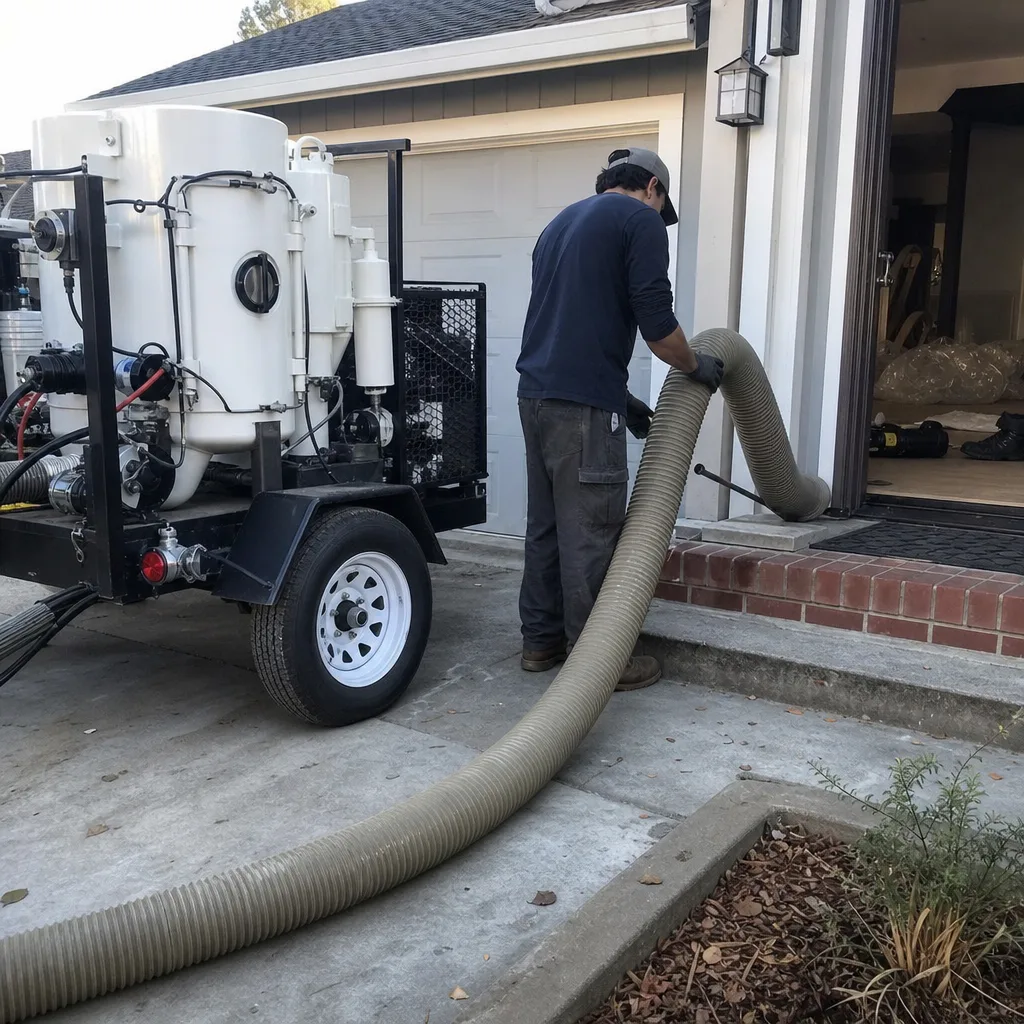
 Whole-home duct cleaning
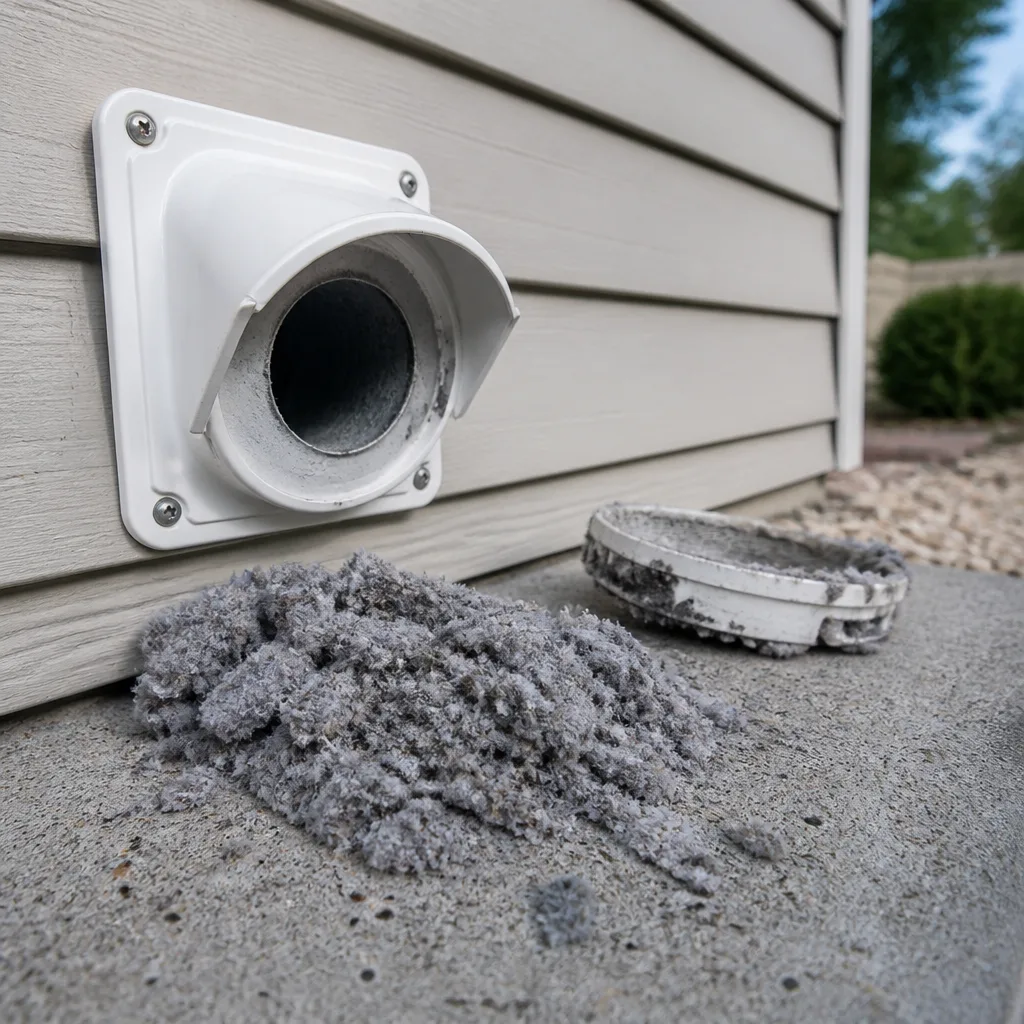 Dryer vent cleaning
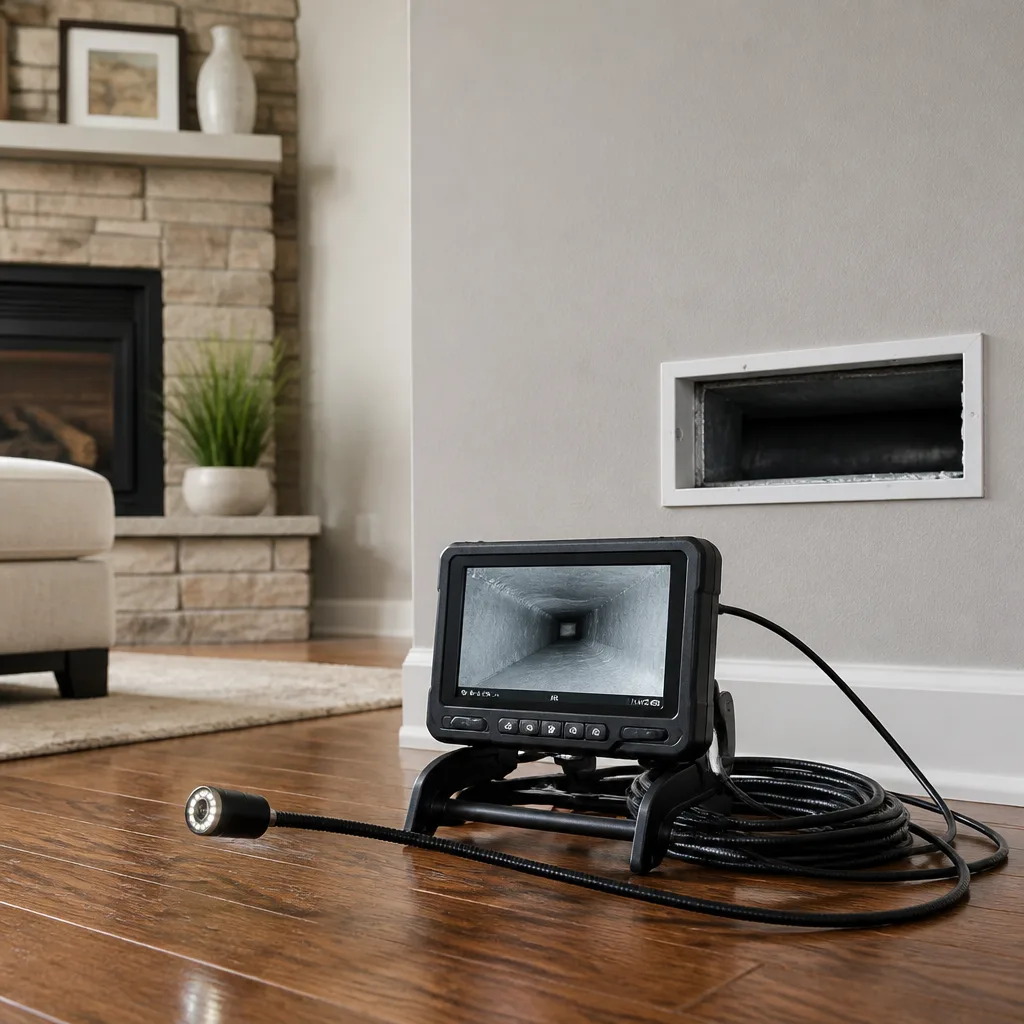 Camera inspection
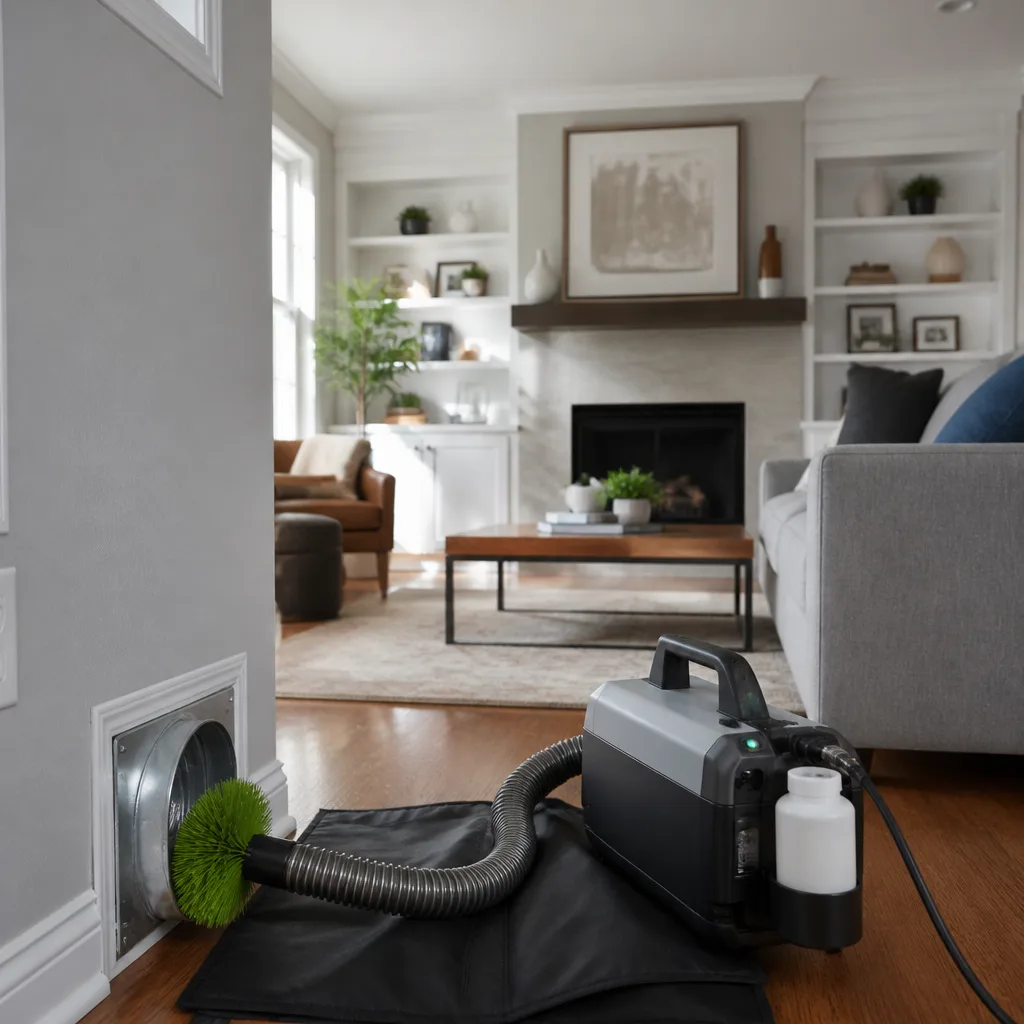 Sanitizing & deodorizing
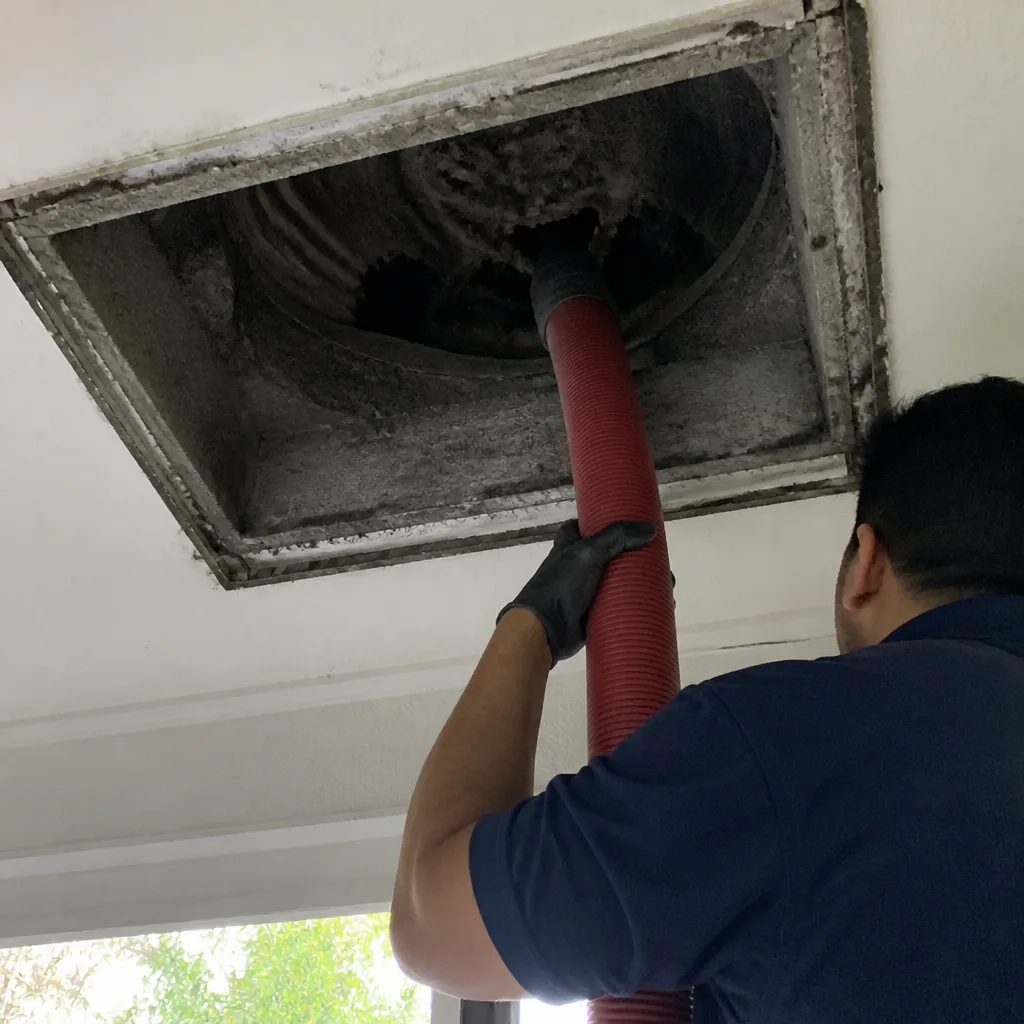
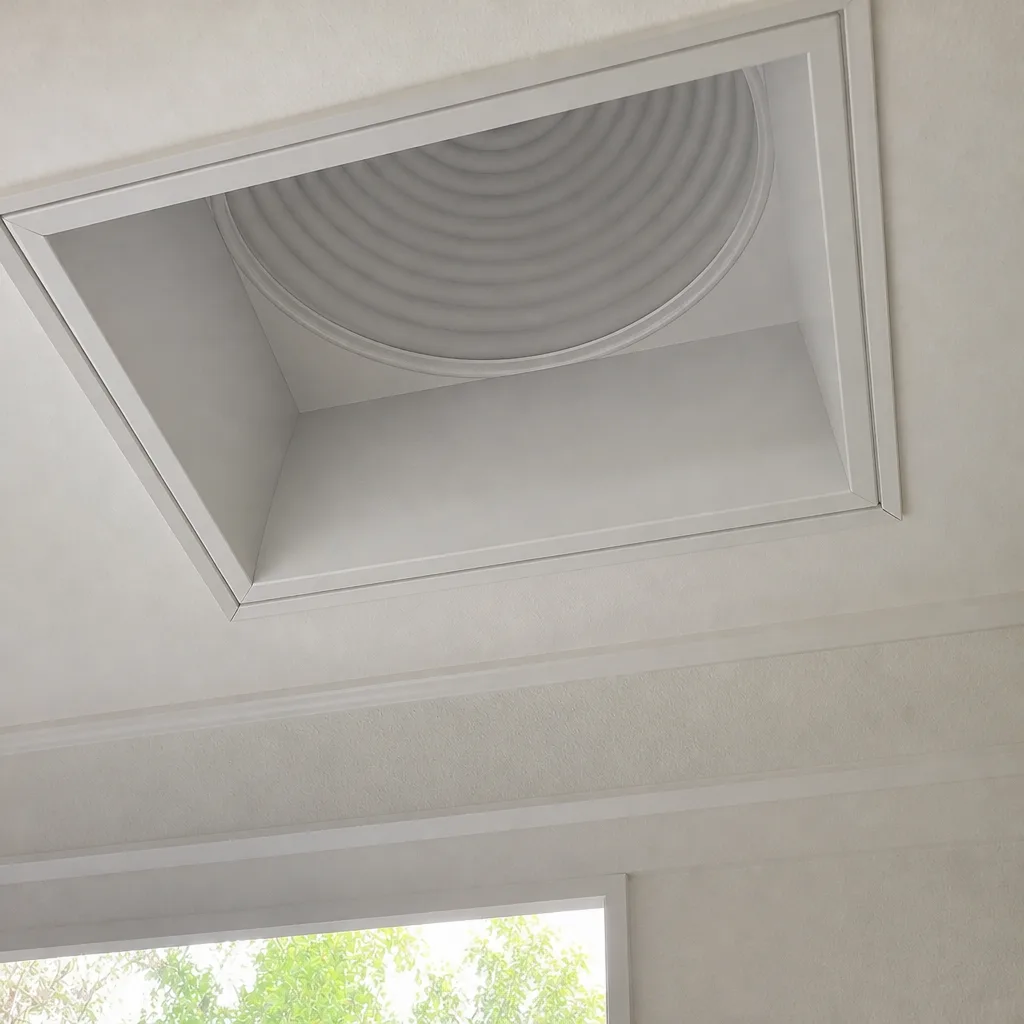
Whole-system duct and dryer vent check with before-and-after photos - you see exactly what came out of your vents
That "$99 whole-house special" is a bait ad - the real number appears once they are in your hallway, or the "clean" is a shop-vac at the register. We photograph the inside of your ducts before and after instead.
Air Duct Cleaning Maintenance Schedule: What to Do and When
The “3-5 year rule” for duct cleaning was written for a hypothetical average home. Not yours. Not Richmond’s. Not a house with a shedding dog, a gas range, and a backyard that backs onto a busy freight corridor. That generic interval gets repeated on nearly every duct cleaning website because it’s easy to say and impossible to be wrong about. In practice, the right schedule for your home depends on three things no national average can measure: what your ducts are made of, who lives in the house, and what’s in the air outside it. This guide builds a personalized maintenance calendar for Richmond homes instead of recycling the same number everyone else does.
Quick Answer
Most Richmond homes should schedule professional air duct cleaning every 2 to 4 years, but that baseline shifts based on duct material, occupancy, and local particulate load. Fiberglass-lined ducts need attention closer to the 2-year mark. Homes with pets, smokers, recent renovations, or allergy sufferers should shorten the interval by roughly a year. Homes near the I-80 corridor and the industrial waterfront sit at the upper end of the particulate scale and benefit from the shorter end of the range.
Styles & brands we work with
- Whole-home duct cleaning
- Dryer vent cleaning
- Camera inspection
- Sanitizing & deodorizing
Table of Contents
- Why the Generic Interval Doesn’t Fit Richmond
- The Three Variables That Set Your Schedule
- Duct Material: Why Fiberglass and Sheet Metal Age Differently
- Occupancy Multipliers: Pets, Renovations, Allergies
- What to Do Between Professional Cleanings
- Building a Maintenance Log That Speeds Up Future Quotes
- Signs Your Ducts Need Cleaning Sooner Than Scheduled
- A Sample Two-Year Richmond Maintenance Calendar
Why the Generic Interval Doesn’t Fit Richmond
Richmond sits in a particular spot in the East Bay. The city wraps around the bay shoreline, backs into the hills, and threads through one of the busiest freight corridors in Northern California. The I-80 freeway runs through the middle of town, carrying a steady volume of diesel truck traffic that feeds particulate matter into the air around neighborhoods like Iron Triangle, Santa Fe, and Point Richmond. Add the industrial legacy of the waterfront, the shipping activity at the Port of Richmond, and the general dust that comes with a mild, dry-summer climate, and you get an above-average particulate load compared to inland suburbs like Walnut Creek or Pleasanton.
That particulate load doesn’t stay outside. Your HVAC system pulls air through the return ducts and pushes it back into every room. Whatever is floating outside is eventually floating inside, and a portion of it settles in the ductwork. Within the service area around Richmond, we’ve learned to treat the local environment as part of the equation, not a footnote. A house in the flats near the freeway and a house up in the Richmond Heights hills don’t see the same airborne load week to week.
Mild winters also matter. There’s no hard freeze to shut down the system for months, which means Richmond HVAC systems tend to run more consistently year-round than systems in colder parts of the country. Consistent runtime means more air moving through the ducts and more debris collecting in them. The 3-5 year rule was written for a climate and a housing stock that doesn’t match what’s here. That’s why we build the schedule from the property itself.
What you should take from this
- The national interval assumes average particulate load. Richmond’s freight corridor pushes above average.
- Mild weather keeps HVAC systems running longer each year, which accelerates debris accumulation.
- Neighborhood elevation and distance from the freeway change the local load from street to street.
The Three Variables That Set Your Schedule
The right interval for your home comes from three variables: duct material, occupancy type, and proximity to particulate sources. Each one adjustS the baseline up or down. Combine them, and you land on a real number instead of a marketing slogan.
- Duct material. Sheet metal ducts are smooth and easier to agitate and extract. Fiberglass-lined ducts have a textured interior that traps debris and needs more frequent cleaning.
- Occupancy type. Pets, smokers, allergy sufferers, and renovation activity each tighten the interval. A quiet two-person household can stretch it.
- Proximity to particulate sources. Homes near the I-80 corridor, the port, and industrial areas accumulate faster than homes tucked into the hills away from traffic.
Work through them in order. Start at your duct material’s baseline, then shorten or lengthen based on which occupancy factors apply, then adjust for location within Richmond. That’s the whole method. It’s not complicated, but it does require knowing what’s inside your walls.
How to check your duct material
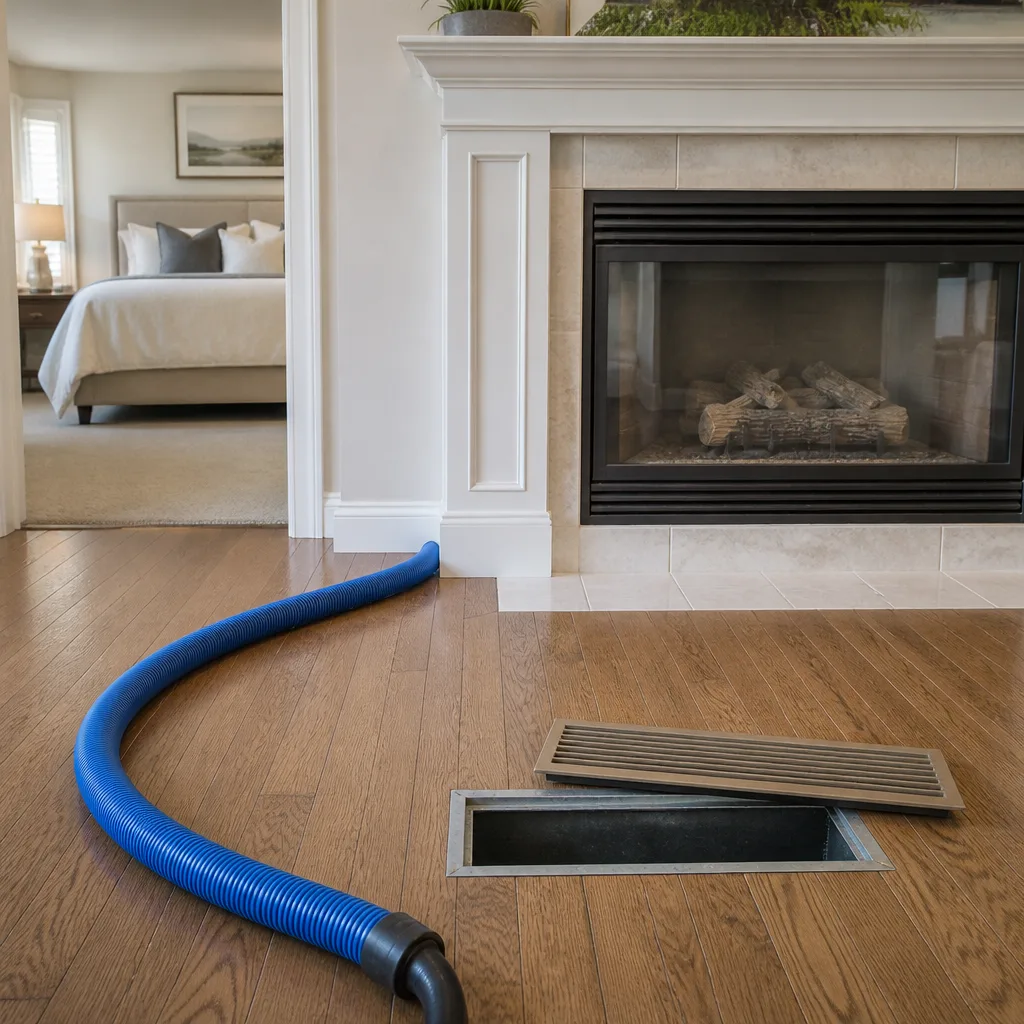
Most homeowners don’t know whether they have fiberglass-lined or sheet metal ducts. You can check at an accessible register: pull the grille and look inside with a flashlight. Smooth, shiny metal means sheet metal. A soft, textured, gray or silver surface means fiberglass lining. If you’re unsure, an air duct cleaning technician can identify it during the estimate. It’s the first question we ask on every Richmond job because it changes the whole schedule.
Duct Material: Why Fiberglass and Sheet Metal Age Differently
Sheet metal and fiberglass-lined ducts don’t collect debris the same way, so they can’t share a cleaning interval. Sheet metal is smooth. Debris sits on the surface until it’s agitated and extracted, and a rotary brush system like the ones made by Rotobrush can work the full interior without damaging the surface. The material resists buildup longer, which is why a well-sealed sheet metal system in a low-particulate home can often stretch to the 4-year mark.
Fiberglass-lined ducts are different. The lining is there to deaden sound and reduce heat loss, but its texture is a trap. Dust, pet hair, and fine particulate catch in the fibers rather than sliding along them. Over time the lining can also degrade if moisture gets in, and the particles themselves become harder to fully remove without the right equipment. In Richmond’s mild, occasionally humid climate, fiberglass ducts get exposed to a broader range of conditions than they might in a dry inland town. That pushes the practical interval closer to 2-3 years.
Baseline intervals by duct type
- Sheet metal, low occupancy, low particulate location: every 3-4 years.
- Sheet metal, average household: every 3 years.
- Fiberglass-lined, average household: every 2-3 years.
- Fiberglass-lined, pets or allergy sufferer in the home: every 2 years.
The type of cleaning equipment also matters here. Consumer-grade vacuums and shop vacs don’t have the pressure or the containment to extract what’s embedded in a fiberglass lining. That’s why our work uses Nikro HEPA-rated vacuum equipment and Abatement Technologies negative air machines, which hold dust under negative pressure so contaminants get captured rather than released back into the house. The cleaning method and the duct material have to match, or the interval only tells half the story.
Occupancy Multipliers: Pets, Renovations, Allergies
A house full of life dirties its ducts faster than an empty one. That’s not a sales line, it’s a mechanical fact. Every pet sheds. Every cigarette leaves residue. Every renovation sends fine drywall dust and sawdust through the return ducts. Every allergy sufferer in the house feels the difference before anyone else does. Each of these factors shortens the baseline interval by roughly a year, sometimes two when they stack.
Apply these multipliers
- One or more pets: subtract 1 year from the baseline.
- Multiple pets or a heavy-shedding breed: subtract 1 to 2 years.
- Any indoor smoking: subtract 1 to 2 years. Smoke residue coats the interior of the duct and holds other particulate to it.
- Recent renovation (within the last year): schedule a cleaning soon after the work finishes, then return to the normal interval.
- An allergy or asthma sufferer in the home: subtract 1 year. The person with the sensitivity gets the schedule they need, not the average one.
- Wood-burning fireplace in regular use: subtract 1 year during the burn season.
Stack three or four of these on a fiberglass-lined duct in a house near the freeway, and you’re looking at a 1-2 year interval. That’s a real answer for that specific property. It isn’t the same answer as the house two streets up the hill with no pets and no renovation.
Owners of older homes in Richmond and property managers with multi-unit buildings should pay close attention here. Older housing stock tends to have fiberglass-lined ducts and less consistent sealing, both of which push the schedule shorter. Ductwork that leaks pulls in air from the attic, crawl space, or garage, and that air brings whatever’s floating there into the living space. If your ducts are leaking, cleaning alone won’t fix the problem. Duct repair as a standalone service is why we can diagnose and address structural issues rather than just cleaning the surface interior and moving on. We clean it. If it’s broken, we fix it.
What to Do Between Professional Cleanings
The cleaning itself is one part of the schedule. What happens between cleanings determines whether you’re actually managing the system or just reacting when it’s already a problem. This is the part most maintenance guides skip, because it doesn’t sell a service call. The routine tasks are simple and cost almost nothing.
- Change the filter on a schedule that reflects your home. A 90-day change interval works for a clean, low-occupancy household. Homes with pets should change it every 60 days. Homes near the freeway or with allergy sufferers in the house should change it every 30-45 days. Buy filters in the size your system uses and keep spares on hand so the change is quick.
- Vacuum and dust the supply registers every month. A clogged grille chokes airflow and lets dust settle back into the duct mouth. Wipe the return grille more often if you have pets.
- Run the blower without heat or cool once a week during mild weather. Set the fan to “on” for 20-30 minutes while you’re home. This keeps air moving and discourages stagnation, especially during stretches when neither the heater nor the AC is running.
- Watch the condensate line and the drain pan. Moisture is the enemy of ductwork. A slow leak into a fiberglass lining shortens its life and creates conditions for biological growth. If you notice standing water, address it before you schedule anything else.
- Check accessible duct connections once a year. Look for separated joints, crumbling tape, or sagging runs at exposed ducts in the attic or crawl space. Small leaks pull unfiltered air into the system.
- Keep the return grille clear. Furniture and rugs pushed against returns starve the system and change how debris distributes through the ducts.
If you have a whole-home air quality setup built around Honeywell or Aprilaire equipment, those systems need their own upkeep. Filters in those units, humidifier pads, and UV components all wear out on their own schedules. A thorough duct cleaning appointment is the right time to have those parts checked, since the technician is already inside the system.
Building a Maintenance Log That Speeds Up Future Quotes
A written maintenance log turns a 20-minute estimating call into a 5-minute one, and it gets you a more accurate number. When a technician can see exactly when you last had the ducts cleaned, what filter you run, and what work was done, they can quote with confidence rather than assumptions. The log is a simple document: a notebook page, a note on your phone, or a shared spreadsheet. Whatever format you’ll actually keep up with.
What to include in the log
- Date of each cleaning and which service was performed (air duct cleaning, dryer vent cleaning, or duct repair).
- Name of the company and the technician who did the work. This matters if something goes wrong later.
- Duct material and system layout as noted on the invoice. Sheet metal, fiberglass, mixed. Number of returns and supplies.
- Filter size, brand, and change dates. A running record helps you spot whether you’re changing on schedule or falling behind.
- Any repairs performed and where. If a joint was re-sealed or a run replaced, note it.
- Photos. Before-and-after photos of the ducts, taken by the technician. Request them if they aren’t offered. They’re the simplest way to know the work was actually done, and they’re invaluable evidence if you sell the home.
- Notes on issues observed but not addressed. A technician may spot a slow leak or a sagging run worth monitoring. Write it down so the next visit starts from that point.
When you’re ready to book, you can hand the log to the technician and get a written estimate that reflects your actual system. No guessing, no generic price. If the log also shows a dryer vent cleaning history, that’s separate but equally important. A clogged dryer vent is a fire hazard waiting to be cleared, and the dryer vent cleaning interval is its own schedule, typically once a year for most households and more often for heavy laundry use.
Signs Your Ducts Need Cleaning Sooner Than Scheduled
Even a good schedule needs flexibility. When the system tells you something’s off, listen to it. These signs mean the calendar can wait and the call moves up.
- Visible dust blowing from supply registers when the system cycles on. You shouldn’t see dust leaving the vent.
- Uneven airflow between rooms, especially when one side of the house seems starved for air.
- A musty or stale smell when the HVAC runs. Odor often traces back to something growing or decaying inside the duct.
- Allergy symptoms that flare when the system is running and calm when it’s off. That pattern points at the airstream.
- Higher-than-usual energy bills without a change in usage. Restricted airflow pushes the system to work harder.
- Visible debris or pest activity at a register, or droppings in the duct near an accessible grille.
- Recent renovation work. Even a small drywall job sends fine dust through the returns.
If you’re seeing two or three of these at once, book an appointment regardless of where you are in the cycle. There’s no reason to wait out a schedule when the system is telling you the schedule has slipped.
A Sample Two-Year Richmond Maintenance Calendar
Here’s how a realistic two-year cycle looks for a Richmond home with fiberglass-lined ducts, one dog, and a location within a few blocks of the freeway. That combination puts the property on the shorter end of the interval. Adjust the intervals to match your own multipliers.
Year One
- Month 1: Full air duct cleaning with rotary brush agitation and HEPA vacuum extraction. Request before-and-after photos and add them to your log along with the invoice.
- Month 1 (same visit): Have the technician check the accessible duct connections and note any leaks or damage. If repair is needed, book the air duct cleaning and repair follow-up while the diagnosis is fresh.
- Month 2 through 12: Replace the filter every 30-45 days. Vacuum the supply and return registers monthly. Run the blower 20-30 minutes per week during mild months.
- Month 6: Check the return grille for dust accumulation. If it’s collecting fast, note it in the log; it’s a sign the next cleaning may need to come nearer than planned.
- Month 9: Schedule dryer vent cleaning if it hasn’t been done in the last year. Add it to the log.
Year Two
- Month 12: Review the log. Compare the filter change frequency to the plan. If you’ve been running late, tighten up the routine.
- Month 14-16: Schedule the next air duct cleaning at the 14-16 month mark, which is the practical interval for this combination of factors.
- Month 18: Inspect accessible duct runs again and note anything new.
- Month 20: Refresh the maintenance log with the second cleaning and the new photos.
- Month 24: Second dryer vent cleaning if one year has passed, then start the next cycle from the top.
If your household is quieter (no pets, no renovation, sheet metal ducts, no allergy concerns), the cycle stretches to roughly 3-4 years for the duct cleaning and the calendar compresses less. If your home has three of the multipliers, the cycle tightens to 12-18 months. The calendar is a template. The variables set the real dates.
Common Mistakes to Avoid
- Following the 3-5 year rule without adjusting for your home. That interval assumes an average house in an average climate with average particulate load. Richmond homes near the freeway don’t fit that profile.
- Cleaning the ducts while leaving a known leak unrepaired. If the system pulls air through a leak in the attic or crawl space, the ducts will re-collect debris almost immediately. Repair and cleaning go together.
- Choosing a quote on price alone. Very low quotes usually reflect less equipment and less time. Consumer-grade vacuums don’t extract the way a Rotobrush rotary system paired with a Nikro HEPA vacuum does, and the resulting clean won’t last the interval you planned for.
- Skipping the log. Every homeowner who has scheduled a cleaning without a maintenance record ends up guessing at the next interval. The log eliminates the guess.
- Neglecting the filter between cleanings. A clogged filter forces the blower to work harder, bypasses particulate back into the airstream, and shortens the effective interval no matter what the calendar says.
- Ignoring the dryer vent on the same schedule as the ducts. Those are separate systems with separate fire-risk implications. Lint accumulation in a dryer vent is a leading cause of residential fires and doesn’t care about your duct cleaning schedule.
- Letting HVAC performance drift without diagnosis. If the system is cycling long, blowing warm, or underperforming in a specific part of the house, an inspection at cleaning time is the cheapest way to catch a problem before it spreads.
See the difference
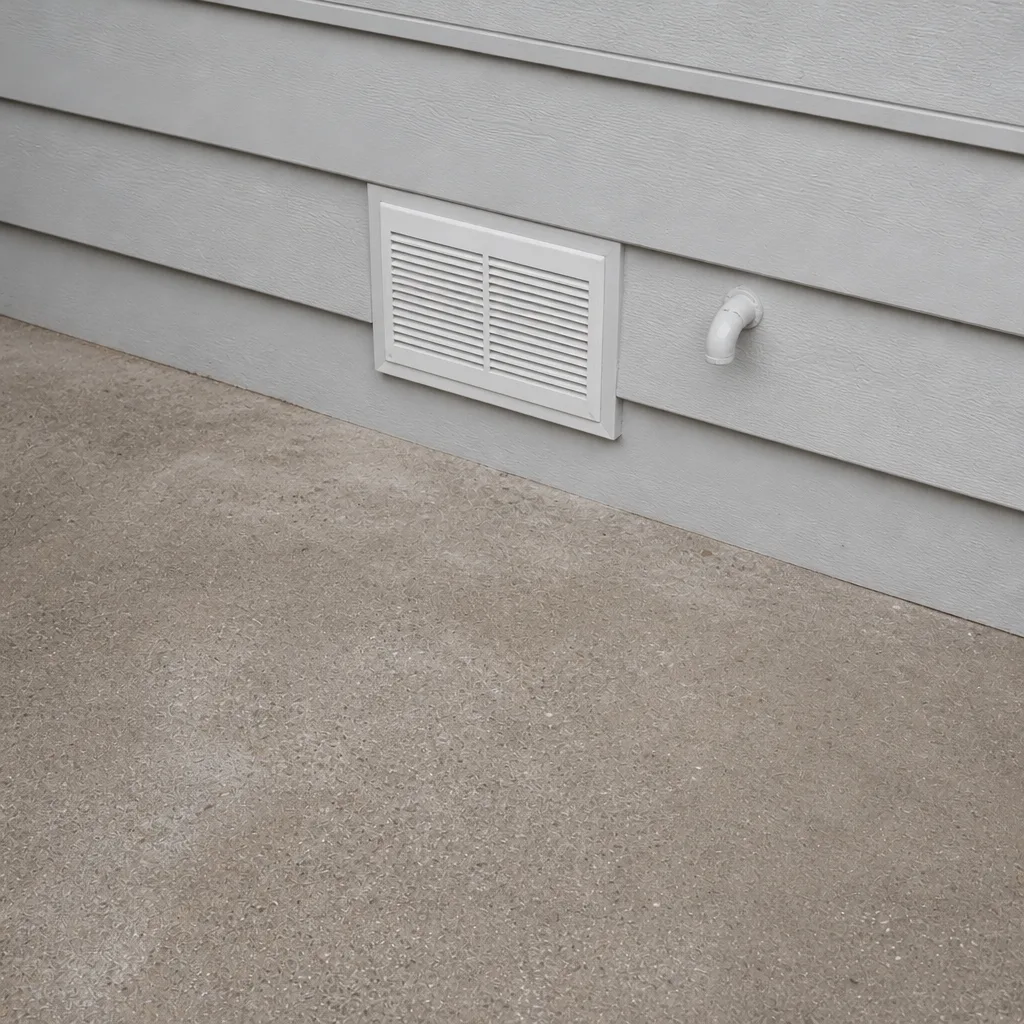
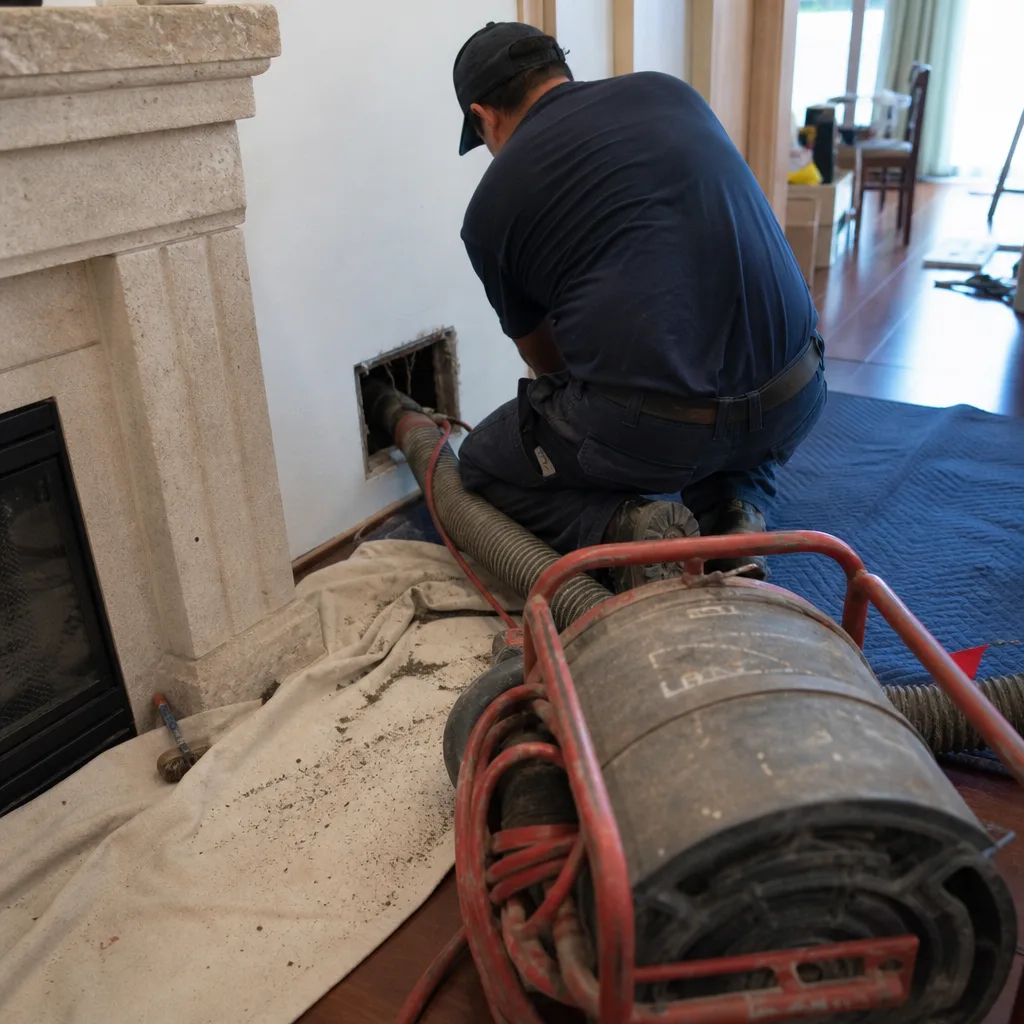 Before
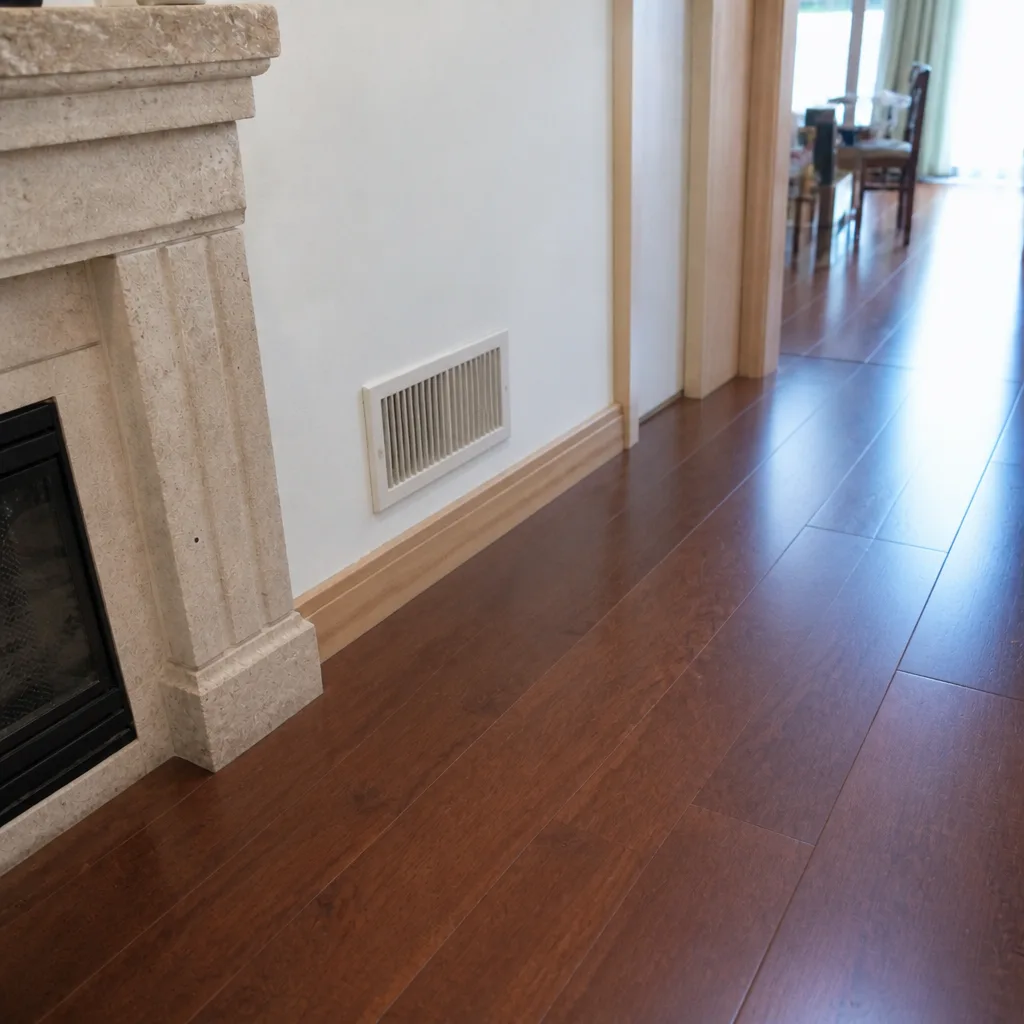 After
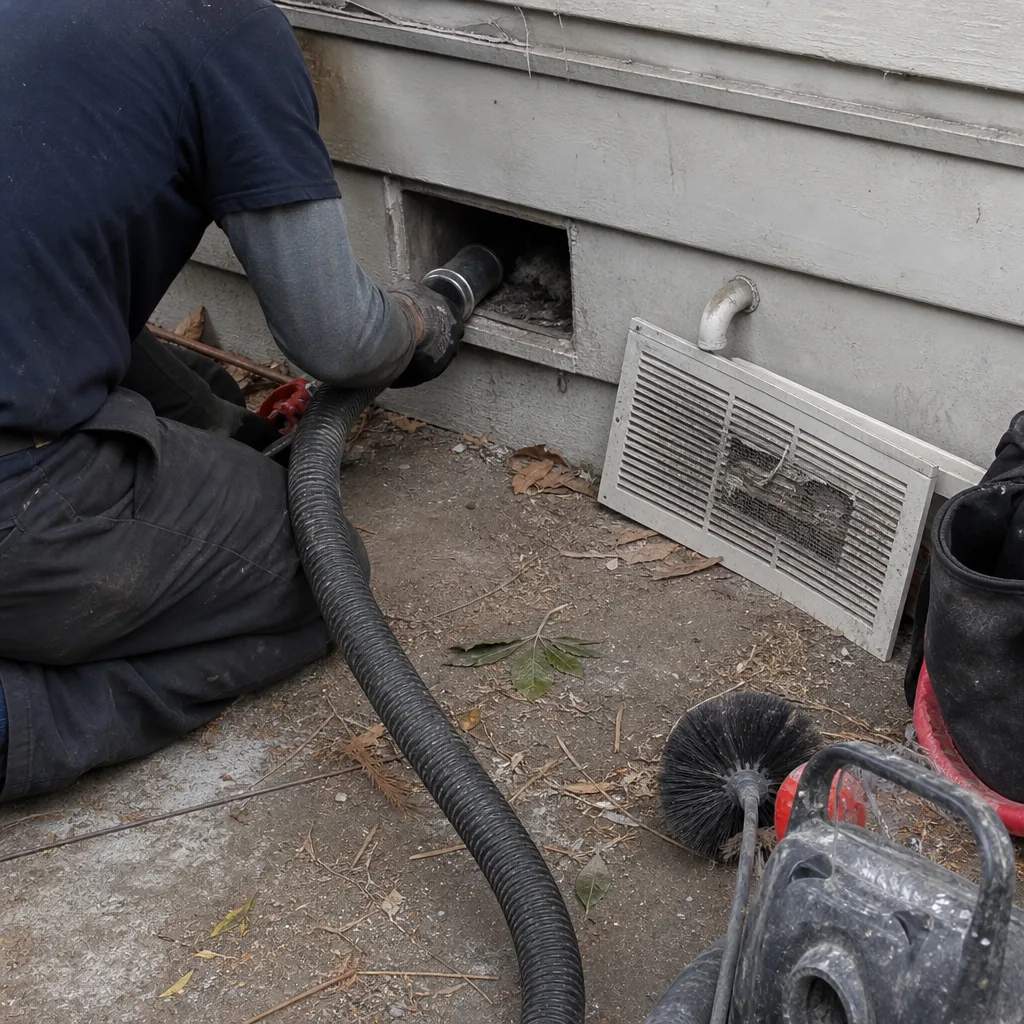 Before
 After
 Before
 After
When to Call a Professional
Call a professional when you can see the symptoms rather than just the calendar. Visible dust from registers, uneven airflow, musty odor when the system runs, or an allergy flare that follows the HVAC cycle all justify booking an appointment ahead of schedule. Call sooner if you’ve just finished a renovation, bought an older Richmond home with unknown duct history, or noticed standing water near an air handler. And call if your dryer vent hasn’t been cleaned in over a year: that’s a safety priority, not a comfort upgrade. Meadow Air Duct Cleaning offers free estimates in Richmond. Call (844) 459-0252. We answer 24/7. Fast dispatch from 7am to 7pm, Sunday through Friday.
Frequently Asked Questions
A good interval is every 2-4 years for most homes, adjusted for duct material, occupancy, and local particulate load. Fiberglass-lined ducts, pets, allergy sufferers, and homes near the I-80 corridor push the schedule toward the shorter end. A quiet household with sheet metal ducts away from the freeway can stretch to 4 years. Call (844) 459-0252 for an exact quote. Estimates are free.
Yes, for two reasons. The mild winters keep HVAC systems running more consistently than in colder regions, which moves more air and more debris through the ducts each year. And the I-80 freight corridor plus the port and waterfront industrial area raise the airborne particulate load above inland East Bay suburbs. Together they justify a shorter interval than the national average suggests.
Yes. Fiberglass lining has a textured surface that traps dust and pet hair instead of letting it slide, so debris accumulates faster and requires more careful extraction. The practical interval is closer to 2-3 years for fiberglass and 3-4 years for well-sealed sheet metal. A technician can identify your duct material during the estimate.
Ask for before-and-after photos of your own ducts. A reputable technician will document the interior of the system at the start and finish of the job. That’s also the simplest defense against bait-and-switch pricing, where a low teaser price becomes a much larger invoice once the technician is on site. We work at one flat price per system, agreed before work starts, with photos as part of the record.
Change the filter on a schedule that matches your household (30-45 days with pets, freeway proximity, or allergy concerns; 90 days otherwise). Vacuum supply and return registers monthly. Run the blower for 20-30 minutes a week during mild months when the heater and AC aren’t running. Keep a log of what you’ve done so the next cleaning quote starts from accurate information.
Have your maintenance log ready when you call. When a technician can see the system layout, duct material, filter type, and prior cleaning dates, the estimate reflects the actual property instead of a guess. If you don’t have a log yet, that’s fine. Start one at the first appointment and it’ll pay off on every visit after. Call Meadow Air Duct Cleaning for a free estimate and a written quote per system.
The Bottom Line
The 3-5 year rule isn’t wrong, but it’s too vague to be useful for a specific home. The real interval comes from three variables: your duct material, the occupancy of the household, and how close the property sits to Richmond’s freight corridor and industrial waterfront. Apply the multipliers, build a written log, and keep the filter, registers, and blower on a routine between professional visits. That combination gives you a schedule that actually fits the house and makes every future quote faster and more accurate. If your ducts are overdue, or you’ve just moved in and don’t know the history, book an estimate and start the log.
Call (844) 459-0252. We answer 24/7. Fast dispatch from 7am to 7pm, Sunday through Friday. Our technicians have up to 15 years of experience, and we work at one flat price per system agreed before work starts. Every job uses professional-grade equipment, gets before-and-after photos, and is backed by our satisfaction guarantee. If the ducts need repair as well as cleaning, we handle both. We clean it. If it’s broken, we fix it.
Written by the team at Meadow Air Duct Cleaning.