
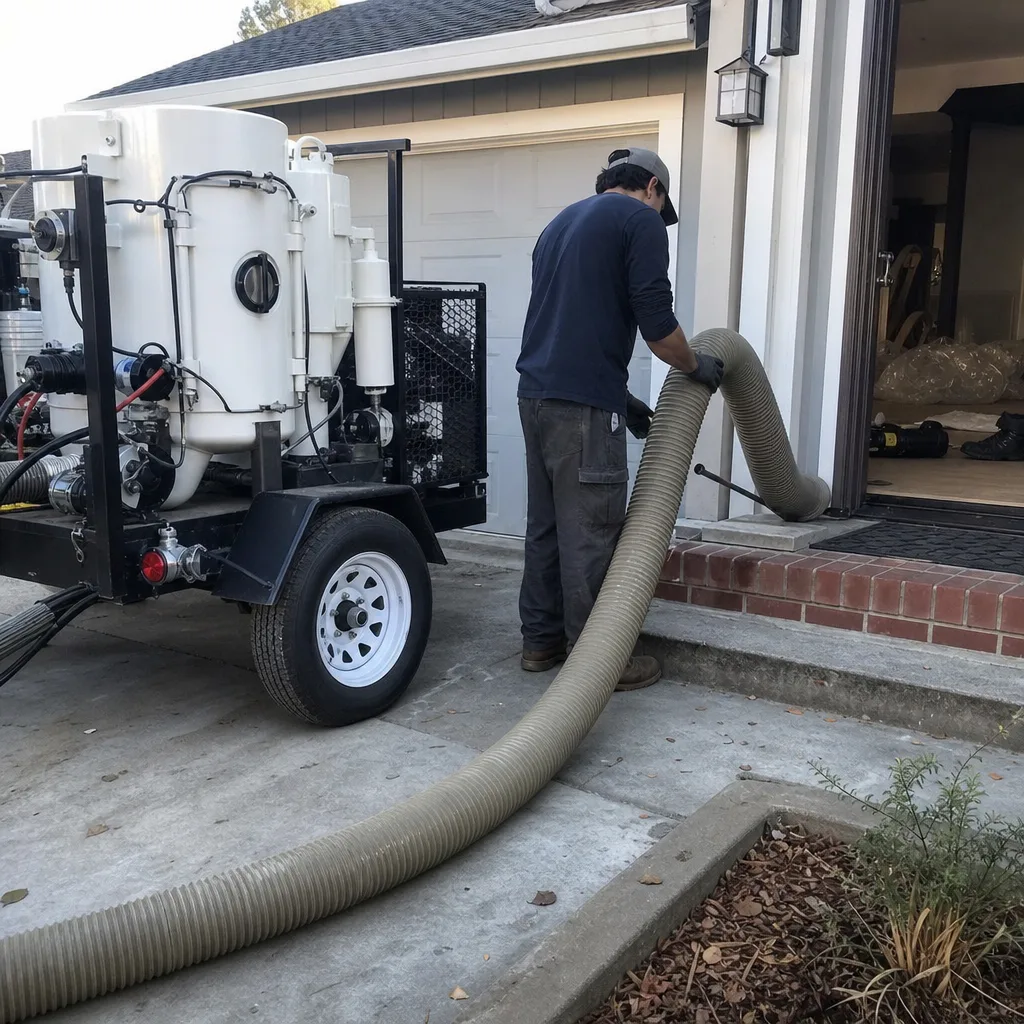
Last updated November 15, 2026
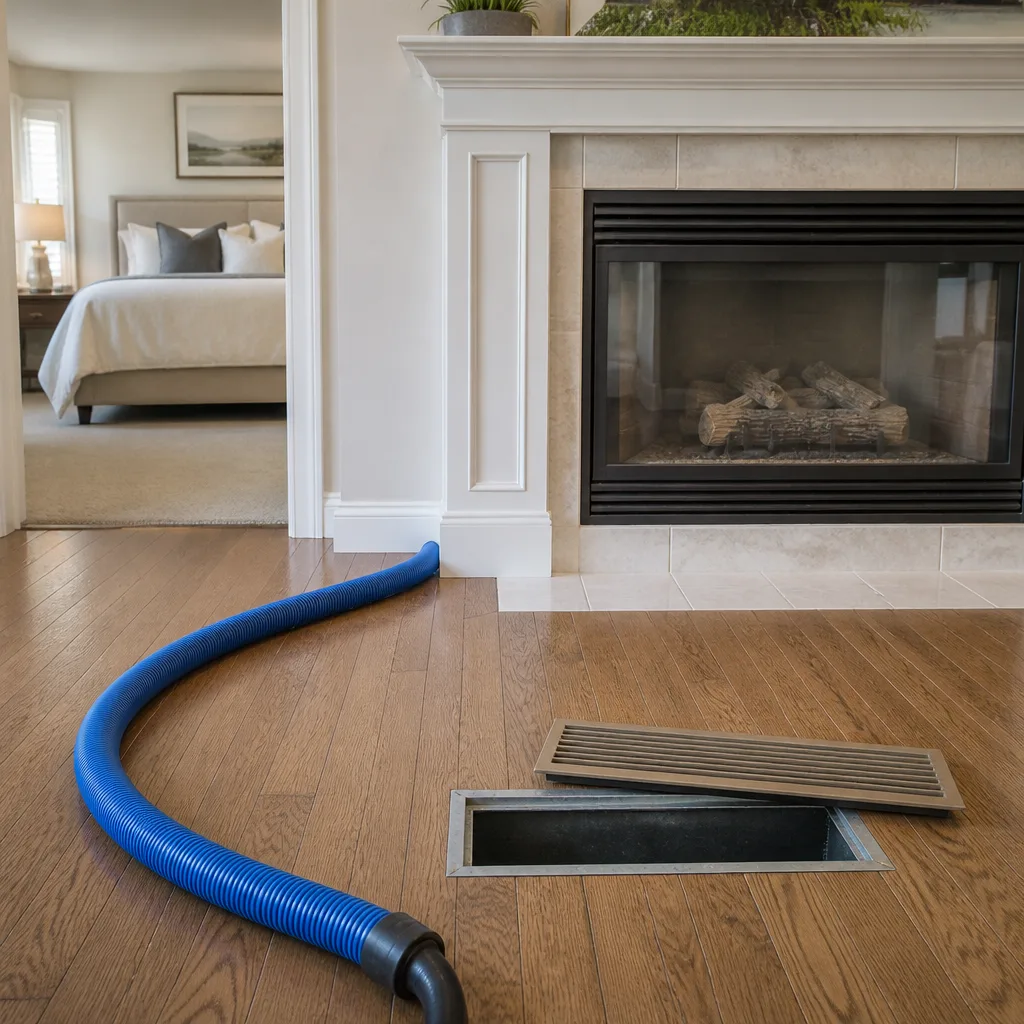 Whole-home duct cleaning
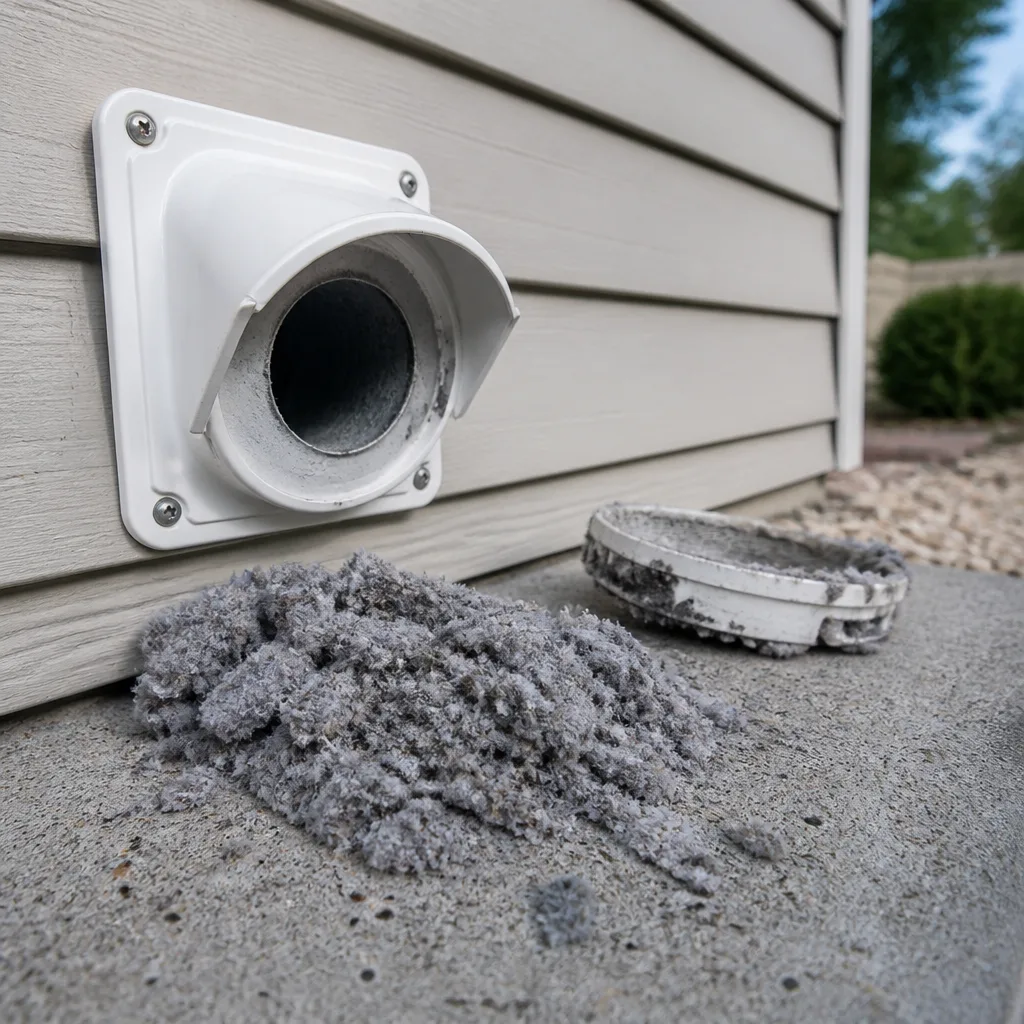 Dryer vent cleaning
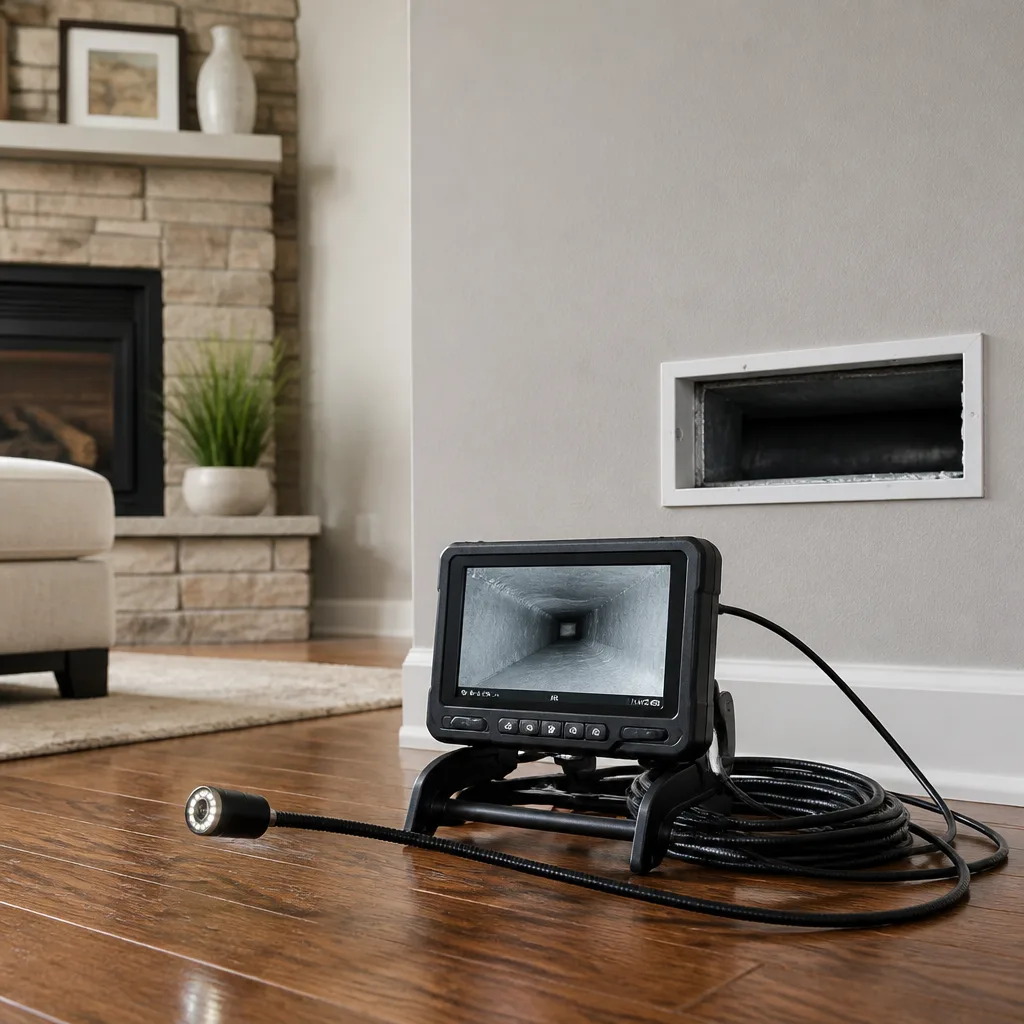 Camera inspection
 Sanitizing & deodorizing
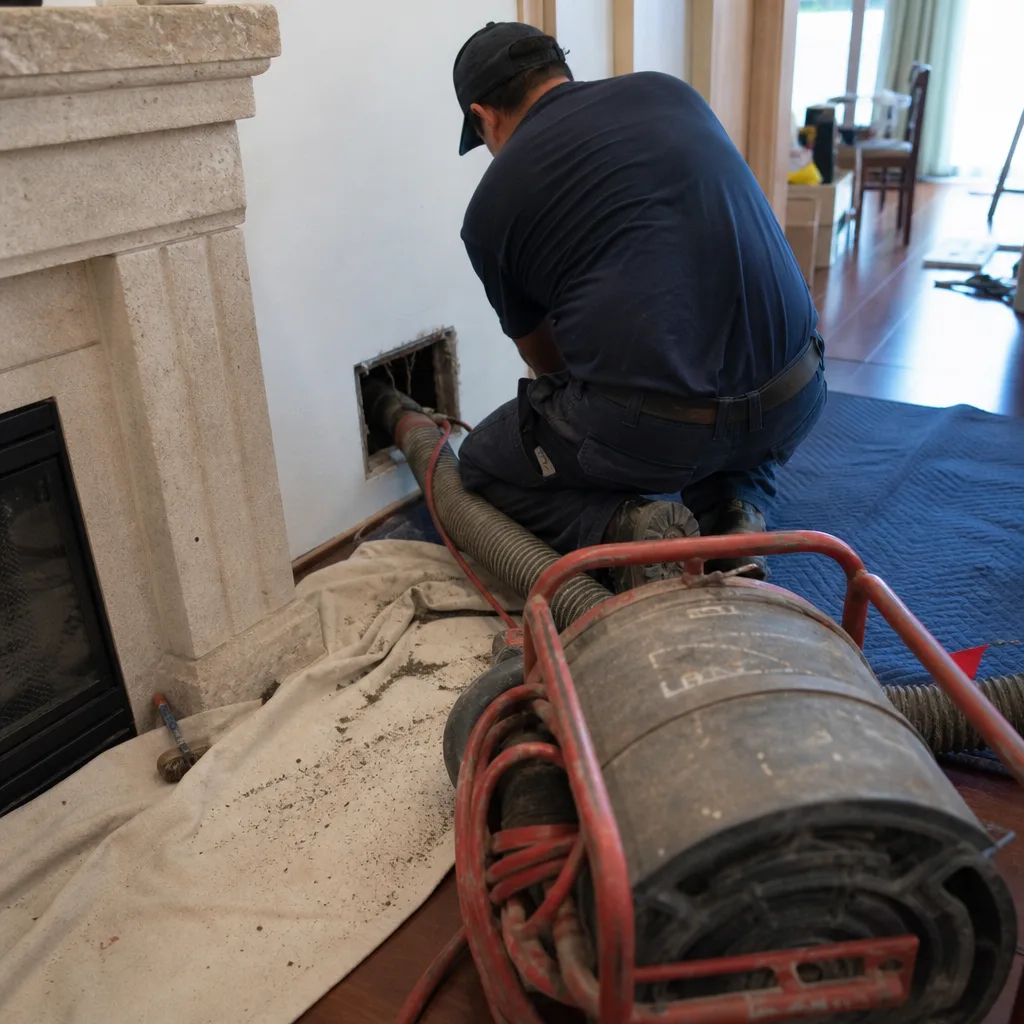
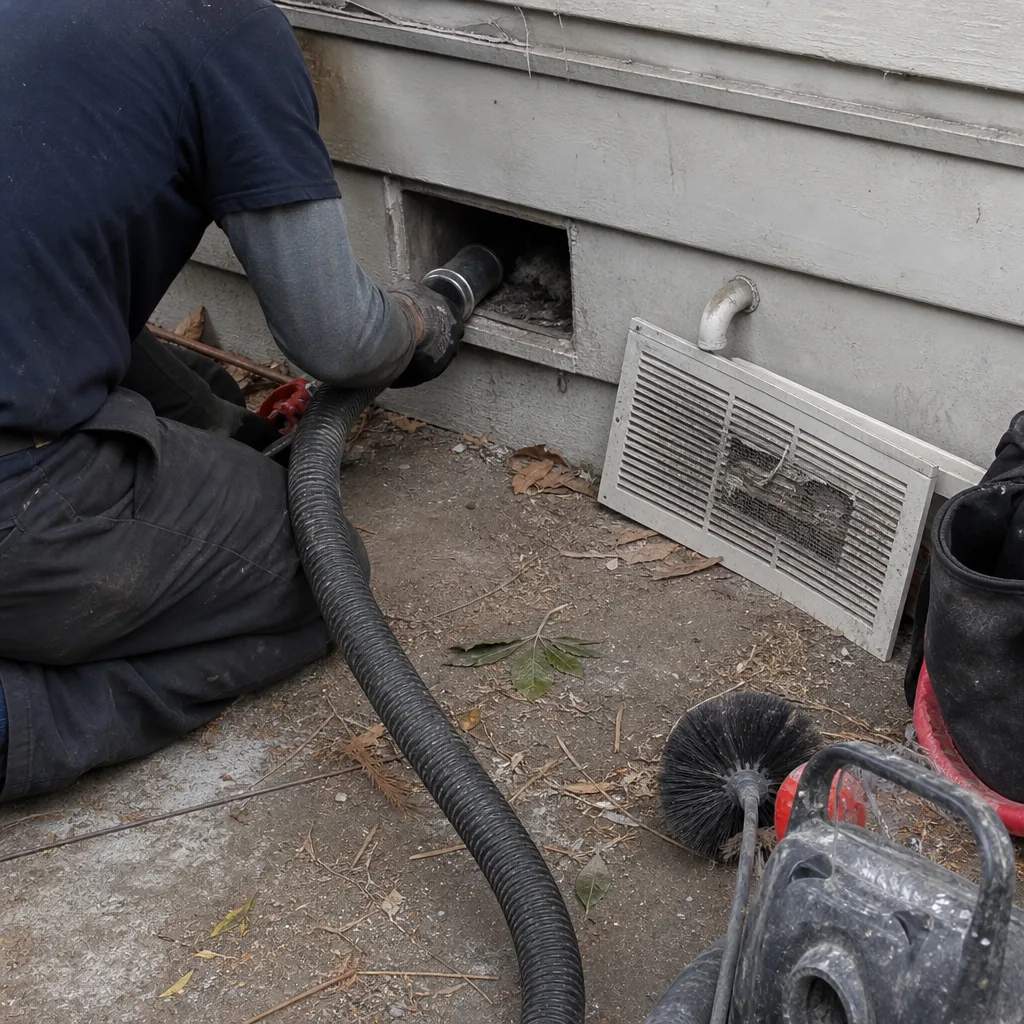
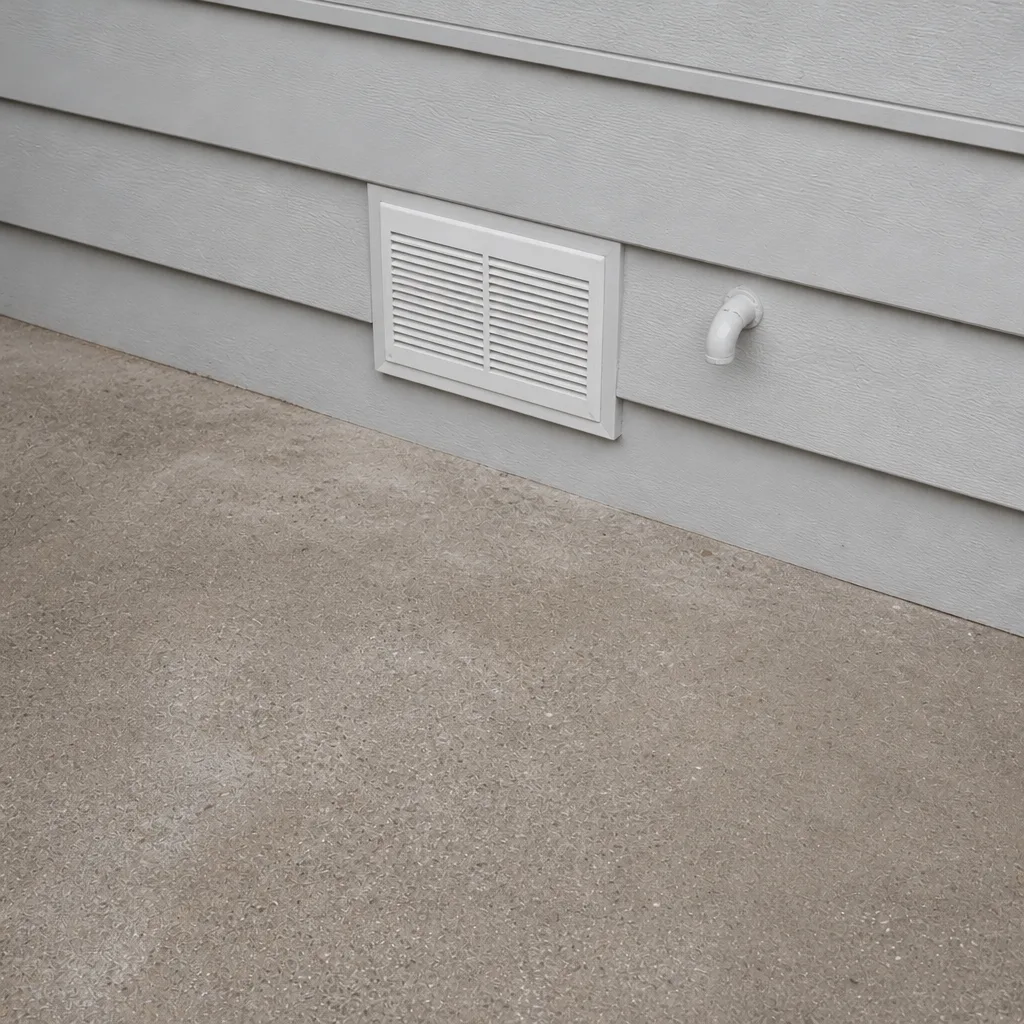
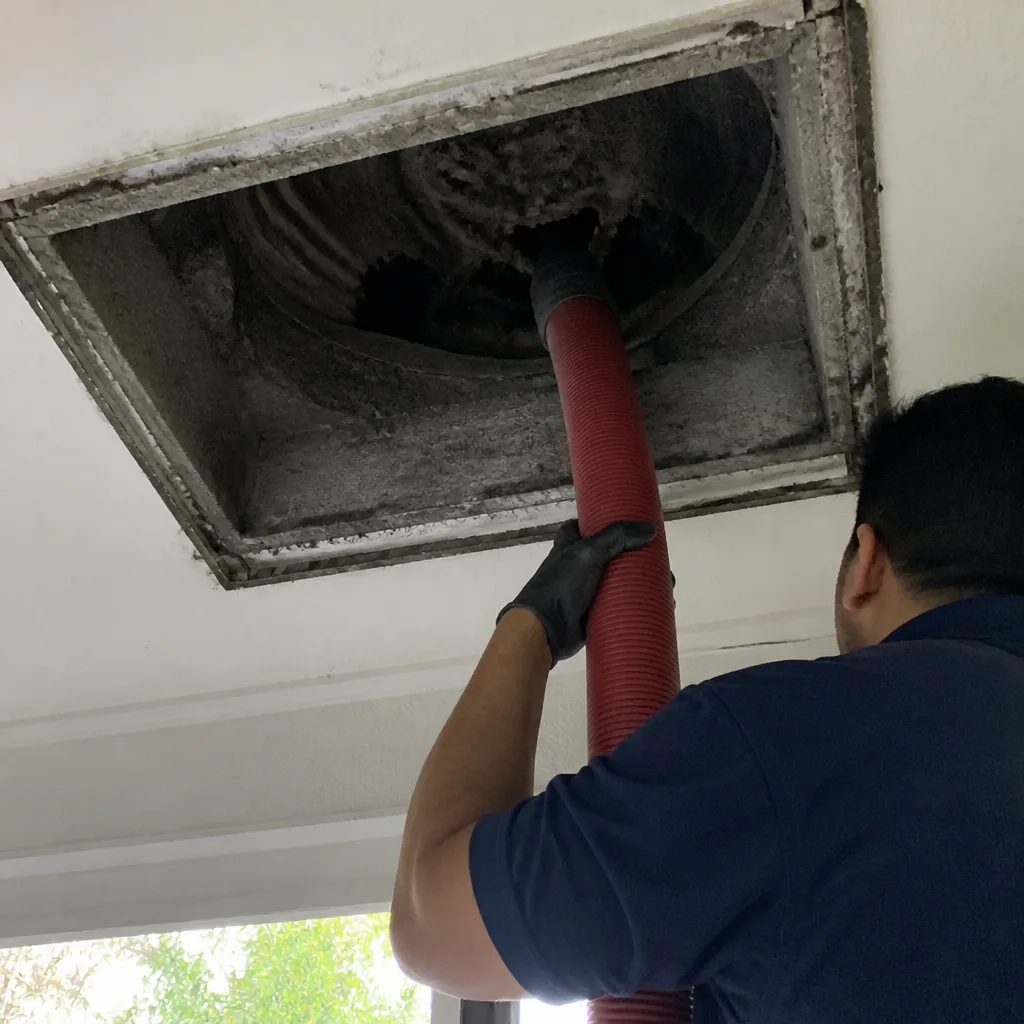
Whole-system duct and dryer vent check with before-and-after photos - you see exactly what came out of your vents
That "$99 whole-house special" is a bait ad - the real number appears once they are in your hallway, or the "clean" is a shop-vac at the register. We photograph the inside of your ducts before and after instead.
Seasonal Air Duct Cleaning Care for Richmond: Year-Round Homeowner’s Guide
Most homeowners assume duct cleaning is a fall chore, something you knock out once before the furnace kicks on and forget about until next year. In Richmond, that assumption misses the point. Richmond averages roughly 23 inches of rain a year, and nearly all of it lands between November and March. Your ducts spend the wet months running heat through damp, particulate-heavy air, then sit through a dry, stagnant summer. That pattern puts different stress on the system in each season, and it suggests different maintenance timing than the standard “clean once a year” advice you’ll read elsewhere. This guide walks you through what actually happens inside Richmond ductwork month by month, and how to time professional care to match.
Styles & brands we work with
- Whole-home duct cleaning
- Dryer vent cleaning
- Camera inspection
- Sanitizing & deodorizing
Quick Answer
The best time to schedule air duct cleaning in Richmond is late October or early November, before heating season begins and after the dry summer has let debris settle. A second assessment in spring catches anything the wet winter pushed into the system. Summer is the right window for duct repair work, since HVAC demand is lower and a system can be offline without disrupting your comfort.
Table of Contents
- Why Richmond’s Climate Doesn’t Follow a Simple Four-Season Model
- Fall (October – November): Richmond’s Highest-Priority Cleaning Window
- Winter (December – February): What to Monitor During the Rainy Season
- Spring (March – May): Post-Heating Assessment and Filter Evaluation
- Summer (June – September): The Ideal Window for Duct Repair
- How to Time Professional Cleaning Around Bay Area Demand
- Signs Your Ducts Need Attention Right Now
- Common Mistakes to Avoid
- When to Call a Professional
- Frequently Asked Questions
Why Richmond’s Climate Doesn’t Follow a Simple Four-Season Model
Richmond sits in a marine-influenced pocket of the East Bay, and that influence shapes the ductwork year in ways that a generic national cleaning schedule won’t capture. Rain arrives almost entirely between November and March. Wildfire smoke drifts into the region during the late summer and fall. The dry stretch from roughly June through September leaves the system largely idle. Each of these windows stresses ductwork and the air moving through it differently.
The practical result is a cleaning calendar that doesn’t match the rest of the country. In colder climates, the fall cleaning is mostly about prepping for a long heating season and clearing summer dust. Here, fall cleaning is a smoke-particulate job. The system has been pulling in fine ash and combustion residue for weeks, and the first heating cycle will push that material back into the living space if it hasn’t been cleared.
Winter is the wet window. Ducts that run through unconditioned crawlspaces or older additions see higher humidity, and any seam or joint that’s compromised can let damp air into the airstream. That’s where musty odors come from. It’s not always mold; often it’s just condensation on cool duct surfaces collecting dust and organic material.
Summer is the quiet season for the HVAC system, and that makes it the practical season for repair. A damaged duct can be opened, patched, and resealed without leaving anyone uncomfortable. If a fall or spring inspection turned up a failing joint, a crushed flex run, or a disconnected boot at a register, summer is when you fix it.
Understanding this cycle is why we treat Richmond as its own case rather than applying a one-size template. The seasons are mild, but the transitions between them are what matter for your ductwork.
Fall (October – November): Richmond’s Highest-Priority Cleaning Window
Fall is the single most important cleaning window on the Richmond calendar. By late October, the system has typically pulled weeks of wildfire smoke particulate through the return side, and heating season is about to start. Cleaning now means the first heating cycle pushes clean air rather than redistributing what accumulated over the dry months.
Wildfire smoke is a particular concern here. Smoke particles in the fine and ultrafine range don’t all get captured by a standard filter. Some settle on duct walls, on the blower wheel, and on the evaporator coil. When the system runs, those particles can re-entrain. Homeowners often notice the difference as a faint smoke smell the first time the heat kicks on, even weeks after the last smoke event.
A proper fall cleaning should involve more than a shop vac and a hose. Here’s what the process should look like:
- Containment first. Negative air pressure should be established before any mechanical agitation begins, so loosened debris moves toward the vacuum rather than into your living room. We use Abatement Technologies negative air machines to hold that pressure throughout the job.
- Mechanical agitation. A rotary brush system, like the Rotobrush we work with, physically scrubs duct walls. Compressed air alone displaces dust; it doesn’t remove the film that’s bonded to the surface.
- HEPA extraction. Nikro HEPA-rated vacuum equipment captures what’s been loosened. The distinction matters: a non-HEPA vacuum separates the debris from the air and puts it back into the room.
- Before-and-after photos. You should see the inside of your own ducts, not a stock image. Ask for this on every job.
If you have a whole-home air quality setup with Honeywell or Aprilaire components, fall is also the right time to have the humidifier pad, media filter, or UV component checked alongside the ducts. A dirty duct system behind a clean filter still recirculates contamination.
Winter (December – February): What to Monitor During the Rainy Season
Winter isn’t a cleaning season for most Richmond homeowners. It’s a monitoring season. The system is in heavy use, the outdoor air is wet, and the ducts are working hard. What you’re watching for is any sign that moisture is getting where it shouldn’t.
A musty or damp odor when the heat runs is the clearest early signal. That smell usually traces to one of three things: condensation on cool duct surfaces in an unconditioned crawlspace, a compromised seam letting outdoor humidity into the airstream, or microbial growth on organic debris that’s been sitting in the system long enough to stay damp. All three warrant inspection. None resolve on their own.
Other winter signals to note:
- Increased dust on surfaces shortly after the heat cycles on (suggests debris is being redistributed)
- Uneven heating between rooms (could be a damper issue, a crushed run, or a disconnected boot)
- A whistling or hissing sound at a register (often a pressure imbalance from a damaged duct section)
- Visible condensation or water staining near a register or return grille
- Allergy symptoms that flare specifically when the heat is running
Ducts in unconditioned spaces are the ones most exposed to winter humidity here. Older homes especially may have flex runs or sheet metal trunks that pass through a crawlspace with little or no insulation. If that space stays damp through the rainy season, the ducts will too. A duct that’s structurally sound will tolerate it; one with a failing joint won’t.
If you smell something musty, call for an inspection rather than waiting for spring. Moisture problems don’t improve with time. Our technicians have up to 15 years of experience and can identify whether what you’re smelling is condensation, a compromised duct, or something that needs repair rather than cleaning.
Spring (March – May): Post-Heating Assessment and Filter Evaluation
Spring is a transition point. The heating system comes off heavy use, the outdoor air dries out, and you have a fresh baseline to evaluate what the winter did to the ductwork. This is when you want to assess whether the system is ready for the natural ventilation months, when many Richmond homeowners open windows and reduce HVAC use.
Two things matter most in spring:
1. Filter evaluation
By March, your filter has carried the load of the wet heating season. If it’s a standard 1-inch pleated filter, it’s probably loaded. If it’s a media filter cabinet (the 4- or 5-inch type common in newer installs), it may still have life but should be checked. The filter is your first line of defense, and a clogged filter strains the blower, reduces airflow, and forces the system to pull harder through the returns. Spring is when you reset that baseline.
If you run a Honeywell or Aprilaire media cabinet, the filter is often the same component the duct system breathes through. Changing it before the dry months keeps the system clean through the low-demand season.
2. Post-heating assessment
A spring inspection looks for what the winter season may have introduced: any new moisture staining, new dust accumulation at returns, or changes in airflow balance between rooms. If winter produced a musty odor that’s persisted, the spring inspection is when a technician would look for the source inside the system rather than just at the registers.
Spring is also a good time to have the system checked if you skipped the fall cleaning. It’s less ideal than fall for the full cleaning process, but it’s far better than going into another heating season with the same debris in place.
Summer (June – September): The Ideal Window for Duct Repair
Summer is when duct repair work should happen, and this is the part of the seasonal calendar most homeowners miss. From June through September, the heating system is off and cooling demand is lower than heating demand in Richmond’s mild summers. That means a duct can be opened, repaired, and resealed without leaving anyone uncomfortable and without the pressure of the next heating cycle.
What gets deferred from fall and spring inspections should get fixed now. Common repair work we see in Richmond duct systems:
- Disconnected or crushed flex runs. A flex duct that’s been stepped on in an attic, pinched behind a joist, or separated at a takeoff will leak air into unconditioned space. The room it serves runs cold in winter and the system works harder than it should.
- Compromised seams and joints. The mastic or foil tape at a seam can dry out and fail. Leaks at joints waste conditioned air and pull in air from wherever the duct passes through.
- Damaged boots at registers. The transition from the duct to the register grill can be broken, misaligned, or missing a proper seal.
- Collapsed or sagging duct runs. Flexible duct that sags below its intended path restricts airflow and creates a trap for debris.
Repair and cleaning are different services, and this is where the choice of duct company matters. Cleaning-only contractors can remove debris but can’t fix a crushed run or a failed joint. We offer air duct cleaning and Air Duct Repair as separate services, so a system that needs both gets both without a second contractor. We clean it. If it’s broken, we fix it.
Summer is also when you’d want to inspect the whole-home air quality components. If a humidifier has been idle since winter or a UV system needs attention, this is the natural down season to handle it.
How to Time Professional Cleaning Around Bay Area Demand
Scheduling is its own tactical decision. Bay Area duct cleaners get busy in predictable windows, and Richmond homeowners who wait until the first cold snap to call often find limited availability. The fix is to book ahead of the rush rather than during it.
Here’s the timing pattern to aim for:
- Book October cleaning in late September. The first heating cycle drives demand. Calling before the seasonal heat-on moment gets you on the schedule without a wait.
- Avoid the week after a major regional smoke event. Demand spikes hard, and availability tightens across the region. If your fall cleaning is already on the calendar for October, a smoke event in September doesn’t need to shift it.
- Schedule repairs for June or July. HVAC contractors and duct cleaners are quieter in the dry months, and a repair job doesn’t need a heated house to be comfortable. Both the calendar and the weather cooperate.
- Skip the holiday stretch for non-urgent work. December and January are peak season for heating calls. If you have a musty smell in January, that’s worth a call; a routine cleaning that can wait belongs in October or April.
- Bundle the dryer vent while you’re already scheduled. When we’re out for duct cleaning, we can address dryer vent cleaning in the same visit. Your dryer vent is a fire hazard waiting to be cleared, and it’s a separate system from your HVAC ducts that deserves the same attention.
If you’re not sure whether you’re in a cleaning window or a repair window, a quick conversation clears it up. Estimates are free, and we’d rather tell you the system doesn’t need service yet than sell you a cleaning you don’t need.
Signs Your Ducts Need Attention Right Now
The season tells you when to schedule; the symptoms tell you when not to wait. Regardless of month, these signs mean the system should be inspected.
- Visible dust blowing from a register when the system first turns on. Some dust on a register face is normal; a plume from the grill means debris is in the airstream.
- Uneven airflow or temperature between rooms that weren’t uneven before. Often a sign of a duct problem, not a system capacity problem.
- Persistent musty or smoke-like odor that doesn’t clear after the system runs for a few minutes.
- Allergy symptoms that cluster indoors and improve when you’re away from home for extended periods.
- Recent renovation, especially drywall, sanding, or significant demolition. Construction dust gets into the returns and settles throughout the system.
- A newly purchased home with no service history on the ductwork. There’s no way to know what previous owners did or didn’t do.
- Pest activity (rodents, insects) in the attic or crawlspace where ducts run. Duct systems become nesting spaces when they’re accessible.
Any one of these justifies an inspection. Two or more at once, especially after a smoke event, is a clear signal to schedule service.
Common Mistakes to Avoid
- Waiting until the first cold snap to book. By then, every other Richmond homeowner is calling at the same time. Book the fall cleaning in late September so you’re ahead of the demand curve.
- Hiring on price alone. A quote that’s noticeably lower than the rest usually reflects a truck-mounted shop vac and a short visit, not a full mechanical cleaning. The equipment is where the difference in outcome lives.
- Skipping the before-and-after photos. You should see the inside of your own ducts, not the company’s marketing photos. Ask for images taken during your job, at the main trunk and at the registers.
- Cleaning when you actually need repair. If a run is crushed, a joint is disconnected, or a boot is damaged, cleaning it and stopping there leaves the root problem in place. The duct system will contaminate again quickly.
- Ignoring the dryer vent. Duct cleaning visits often miss the dryer vent because they’re separate systems. It’s a leading cause of residential fires and should be cleared on its own schedule.
- Assuming a musty smell will clear on its own. Odors tied to moisture in the ductwork generally don’t improve with use. They usually get worse through the rainy season.
- Forgetting the filter. A pristine duct system behind a clogged filter is still circulating lower-quality air. Spring filter evaluation is part of the deal, not an afterthought.
When to Call a Professional
Call for professional service when you have a musty or smoke odor that doesn’t clear, visible dust blowing from registers, uneven airflow between rooms, recent renovation residue in the system, a new home with no service history, or you’ve just been through a significant wildfire smoke event. Call too if you notice pest activity in a space where ducts run. These are conditions that need equipment built for remediation professionals brought to your home, not a consumer vacuum and an afternoon.
If nothing on the symptom list applies and you’re simply due for routine care, the fall window is the right time. If you’re unsure, an inspection answers it. Meadow Air Duct Cleaning offers free estimates in Richmond. Call (844) 459-0252. We answer 24/7. Fast dispatch from 7am to 7pm, Sunday through Friday.
Frequently Asked Questions
Most Richmond homes do well with professional cleaning every two to three years, timed to the fall window. Homes with pets, recent renovation, allergy sufferers, or a history of wildfire smoke exposure in the area may benefit from annual cleaning. The decision should be based on what’s in the system, not a rigid calendar. Call (844) 459-0252 for an exact quote on your home, and we’ll tell you honestly whether it’s time.
Cheap quotes usually reflect a lighter process: no mechanical agitation, no negative air containment, and sometimes no HEPA extraction. That’s not the same service at a lower price; it’s a different service. A proper cleaning involves rotary brush agitation, HEPA-rated vacuum capture, and negative air pressure to keep debris out of your living space. Ask any contractor what equipment they use before you book. If the answer is vague, that’s your answer. Call (844) 459-0252 for a written estimate that spells out the process.
Ask for before-and-after photos of your own ducts, taken at the main trunk and at a representative register. You should see visible difference. You should also get a written summary of what was found and cleaned. If a contractor won’t share photos, that’s the question to press on. We photograph every job. Call (844) 459-0252 for an estimate.
Yes. Fall is the highest-priority window because it clears wildfire smoke particulate and summer accumulation before the first heating cycle pushes it back into the living space. Late October to early November is the sweet spot. Spring is a good secondary window for assessment and for homes that skipped fall. Call (844) 459-0252 to get on the fall schedule early.
It depends on the source. Cleaning removes the accumulated debris that microbial growth feeds on and can resolve odors tied to surface contamination. If the odor traces to moisture intrusion at a compromised seam, a condensation issue in an unconditioned crawlspace, or a damaged duct section, the repair has to come first. That’s why our technicians inspect before they clean. Call (844) 459-0252 for an assessment.
Yes, if both are due. They’re separate systems, but booking them together saves a visit and puts eyes on both at once. Dryer vents accumulate lint quickly, and a clogged vent is a fire risk independent of the HVAC system. If you’re not sure when yours was last cleared, it’s worth doing.
The Bottom Line
Richmond’s climate shapes ductwork care more than a national cleaning calendar does. The rainy wet season, the wildfire smoke window, and the dry summer each put different stress on the system. Fall is your highest-priority cleaning window, timed before the first heating cycle. Winter is for monitoring musty odors and moisture signals. Spring is filter evaluation and post-heating assessment. Summer is the ideal time for duct repair and for clearing anything the earlier seasons flagged. Book ahead of the Bay Area demand rush, ask for before-and-after photos on every job, and don’t mistake cleaning for repair. If you need help deciding which window you’re in, a free estimate will settle it.
Meadow Air Duct Cleaning provides all three services under one roof: Air Duct Cleaning, Dryer Vent Cleaning, and Air Duct Repair. We bring professional-grade equipment, and we work with major air quality systems including Honeywell, Aprilaire, Nikro, and Abatement Technologies. Call (844) 459-0252 for a free estimate. We answer 24/7. Fast dispatch from 7am to 7pm, Sunday through Friday.
Written by the team at Meadow Air Duct Cleaning.
See the difference
 Before
 After
 Before
 After
 Before
 After