
Last updated November 15, 2026
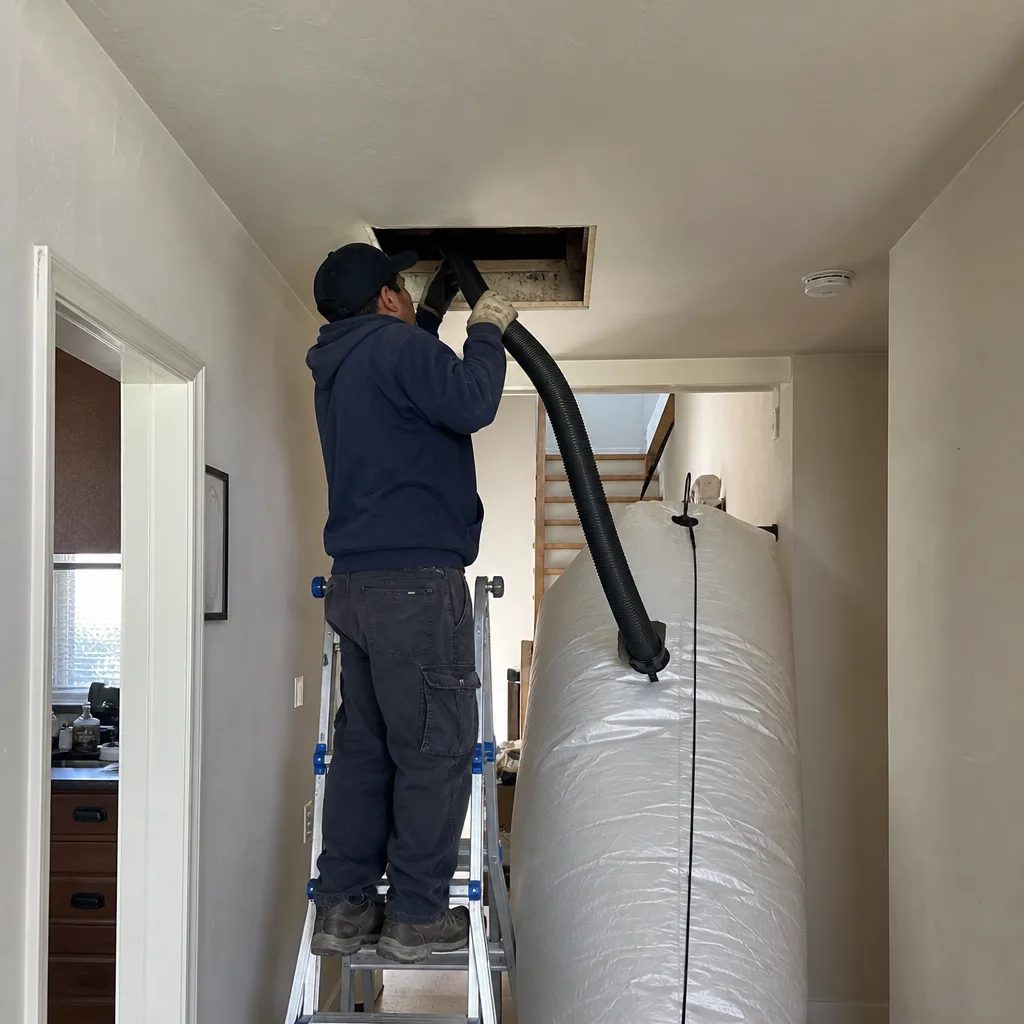
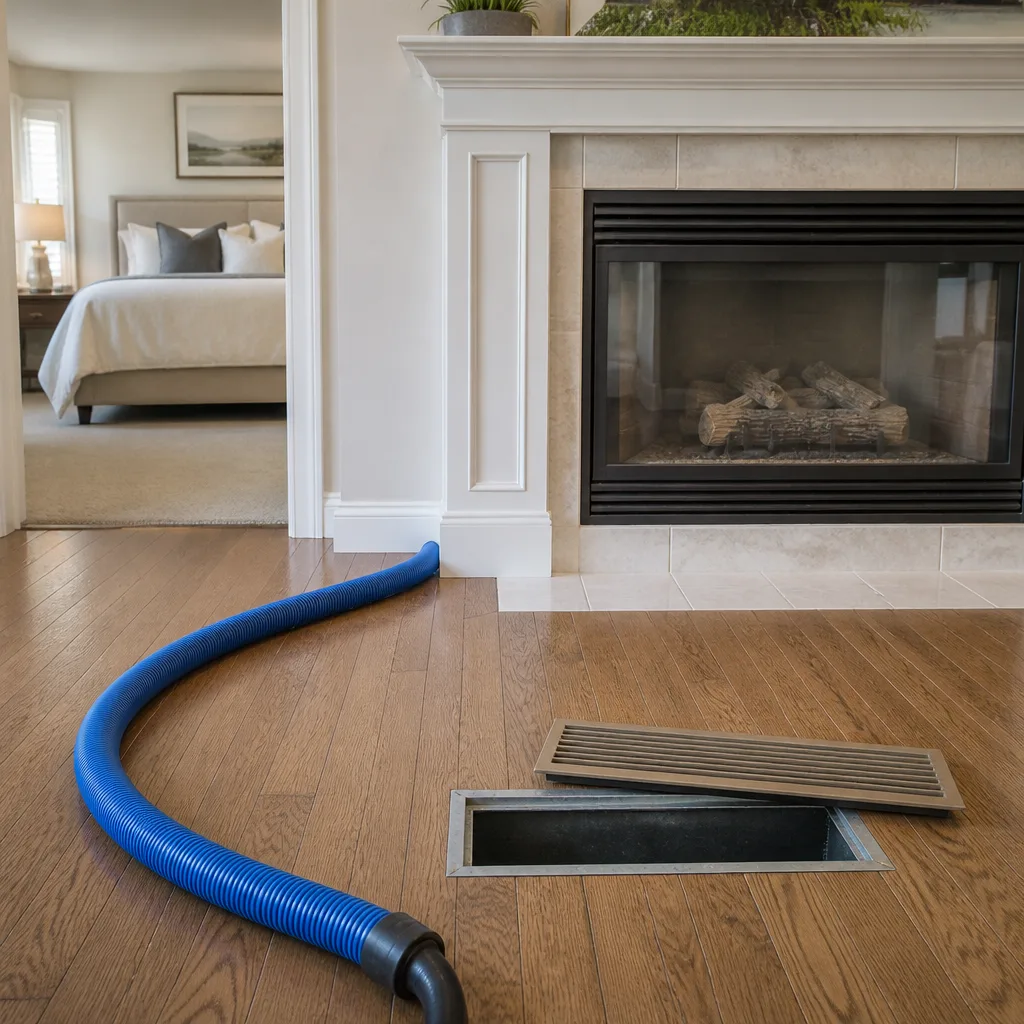 Whole-home duct cleaning
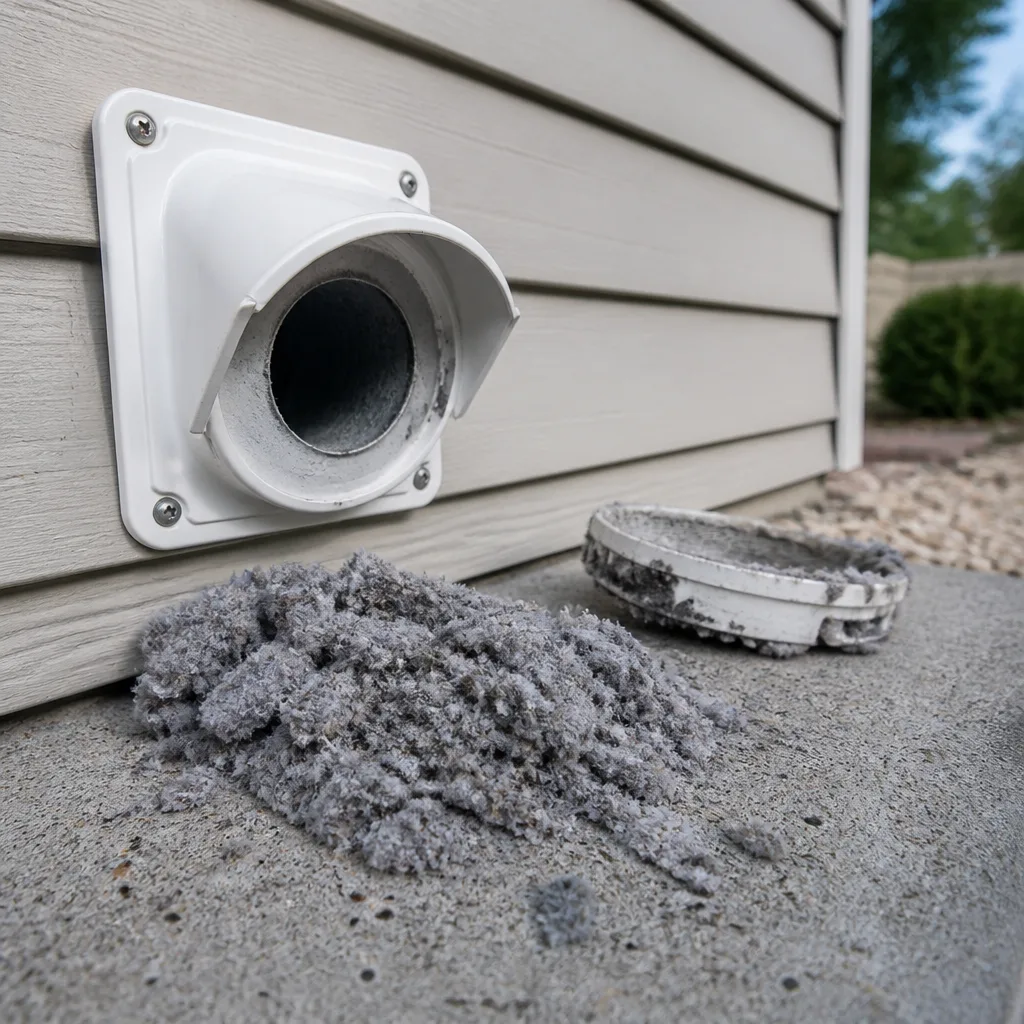 Dryer vent cleaning
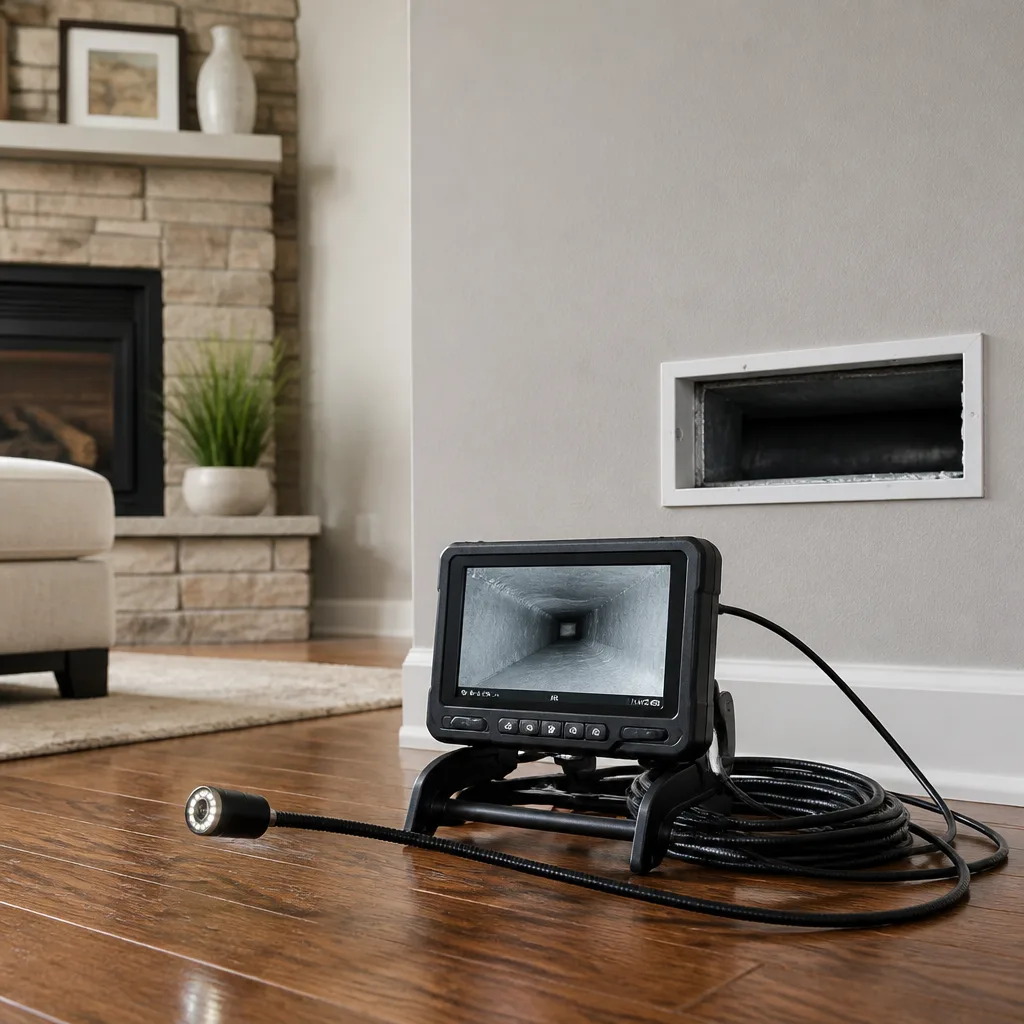 Camera inspection
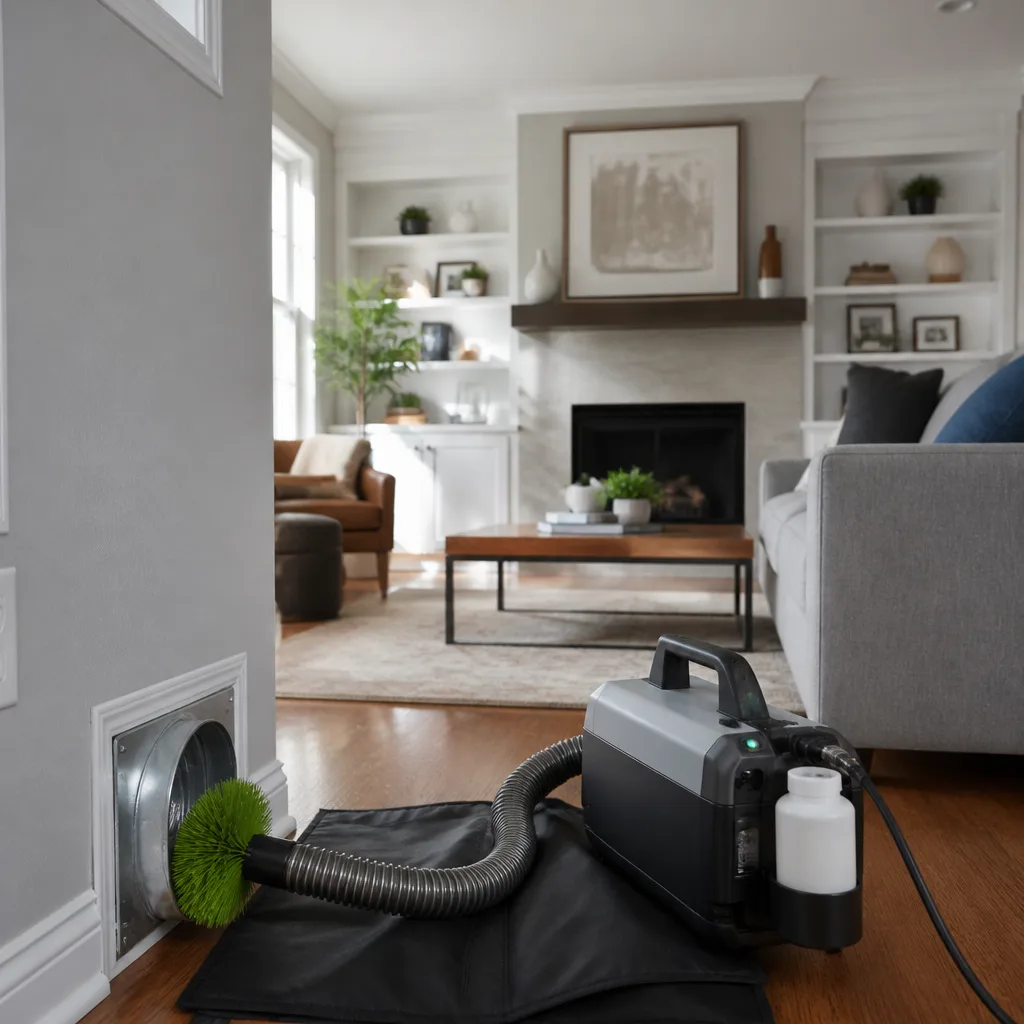 Sanitizing & deodorizing
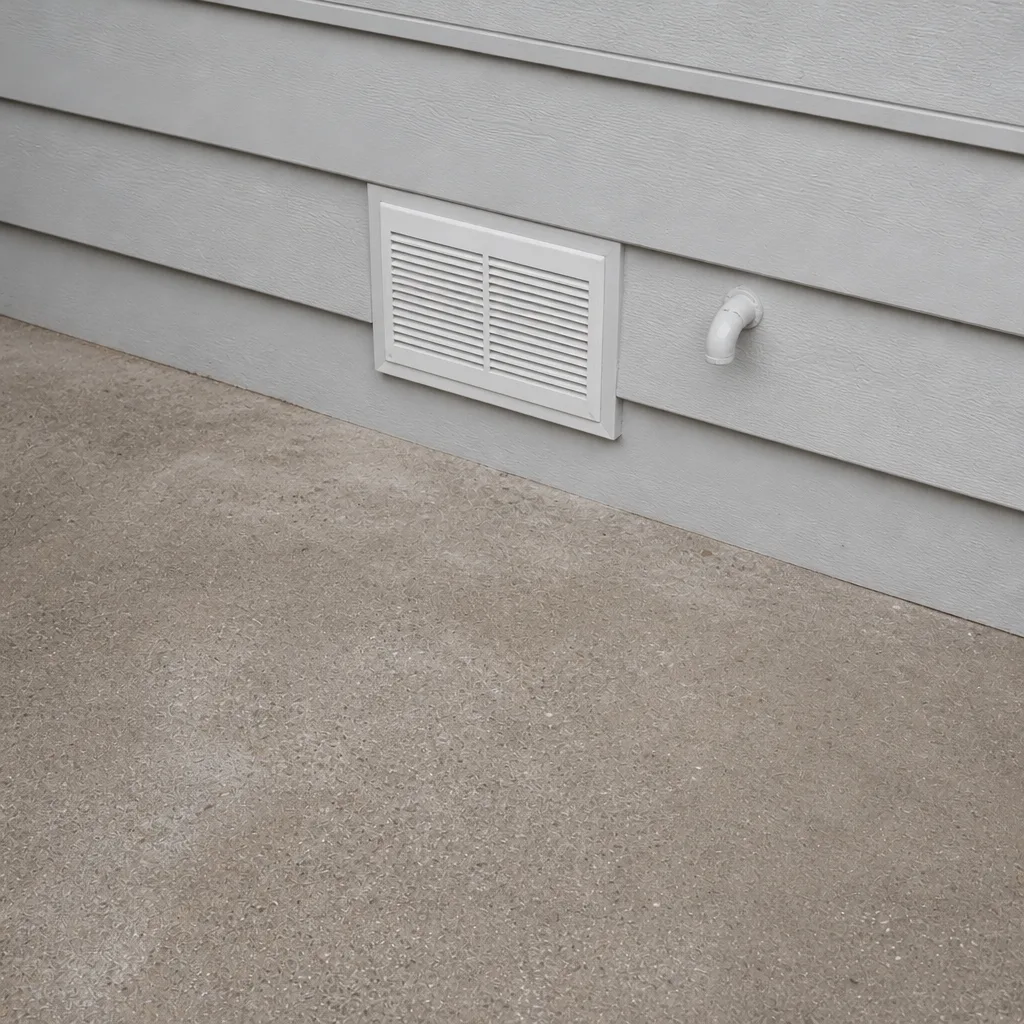
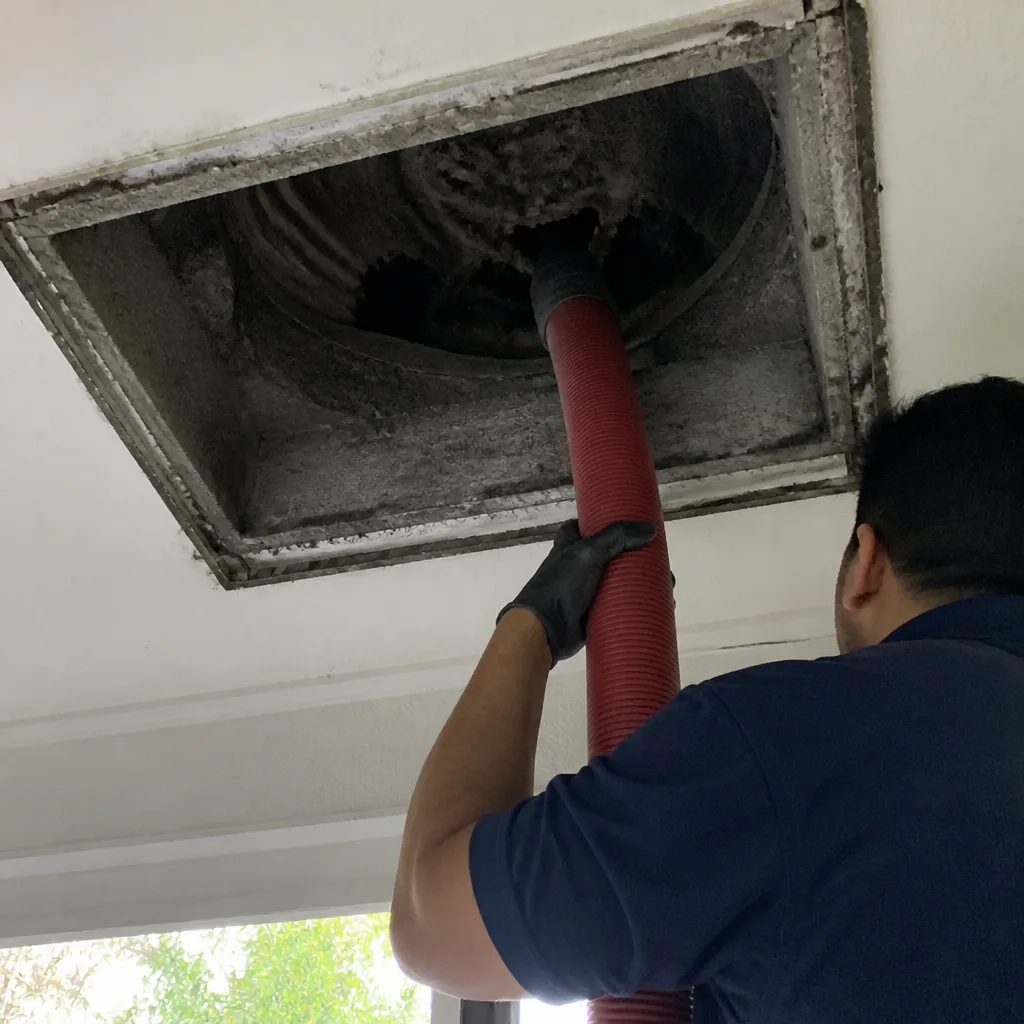
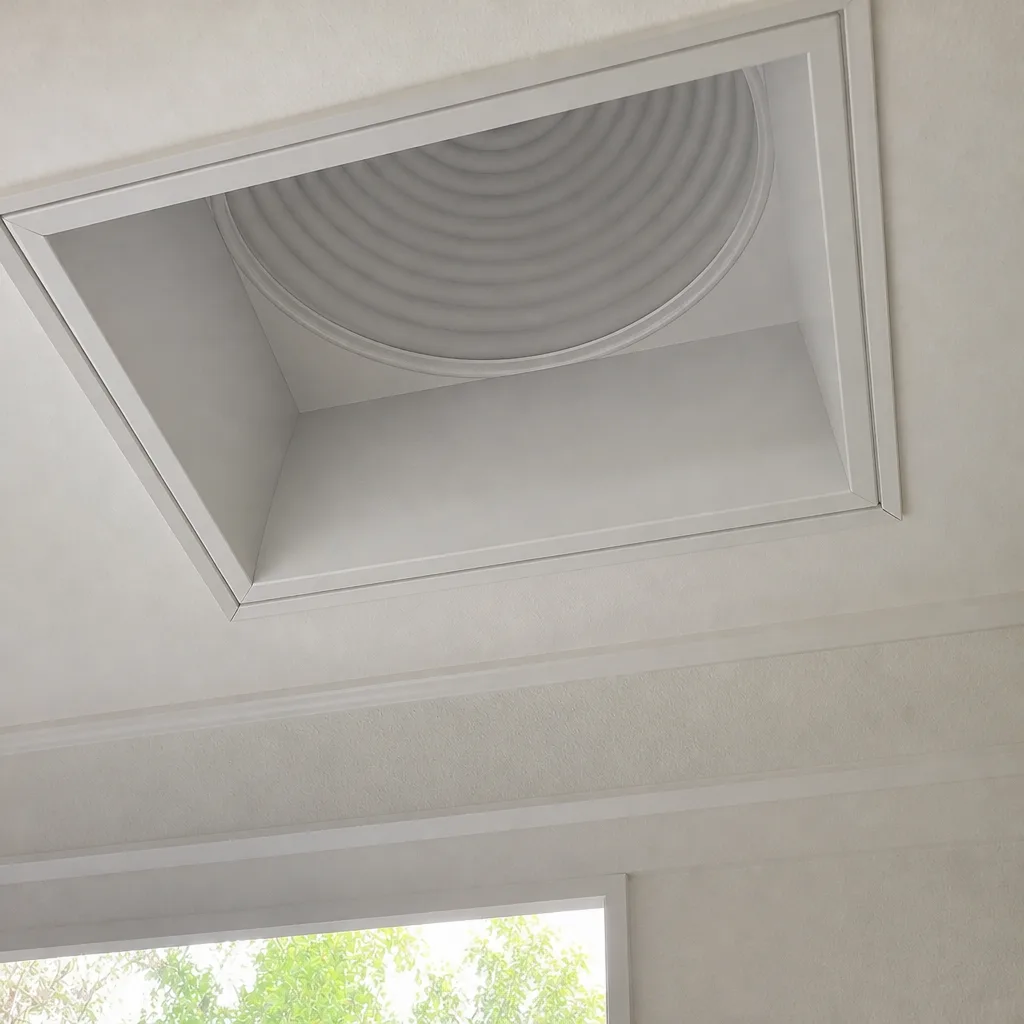
Whole-system duct and dryer vent check with before-and-after photos - you see exactly what came out of your vents
That "$99 whole-house special" is a bait ad - the real number appears once they are in your hallway, or the "clean" is a shop-vac at the register. We photograph the inside of your ducts before and after instead.
How to Hire an Air Duct Cleaning Contractor in Richmond: A Step-by-Step Guide
Most homeowners shop for duct cleaning the way they shop for a haircut: whoever quotes the lowest price gets the call. That instinct is exactly backwards. The companies advertising the cheapest entry price in the Bay Area are often the ones with the least equipment and the most aggressive in-home sales scripts, and the invoice you sign at the end rarely resembles the number that got you on the phone. The US EPA has warned consumers about duct cleaning scams more than once, and the red flags it describes still show up in quotes across Richmond. This guide walks you through vetting a contractor before anyone steps inside your home: the exact questions to ask, what certification does and doesn’t guarantee, and how to structure a written scope you can actually verify.
Styles & brands we work with
- Whole-home duct cleaning
- Dryer vent cleaning
- Camera inspection
- Sanitizing & deodorizing
Quick Answer
To hire an air duct cleaning contractor in Richmond, ask three questions before you book: what make and model vacuum collection unit and agitation system they use, whether they charge per vent or one flat price for the whole system, and whether they’ll do a walk-through inspection with photos before work starts. A legitimate contractor answers all three without hesitation, puts the scope in writing, and never pressures you into add-on treatments on the day of service. If any of those answers is vague, keep calling.
Table of Contents
- Why Duct Cleaning Has a Trust Problem in the Bay Area
- Questions to Ask Before Booking: Equipment Reveals Everything
- What NADCA Certification Means (and What It Doesn’t)
- Red Flags in the Quote Process
- What a Legitimate Walk-Through Assessment Looks Like
- How to Structure a Written Scope of Work
- Richmond-Specific Considerations
- Common Mistakes to Avoid
- When to Call a Professional
- Frequently Asked Questions
Why Duct Cleaning Has a Trust Problem in the Bay Area
The duct cleaning industry earned its reputation honestly. For years, low-cost operators have run the same playbook across the East Bay: advertise a teaser price, arrive with a shop vac and a flashlight, then spend the appointment convincing the homeowner that the real problem is mold, or a cracked plenum, or a “contaminated” system that only their proprietary treatment can fix. The final bill climbs, the homeowner feels trapped because the technician is already in the house, and the actual ductwork is barely touched.
The EPA has flagged this pattern repeatedly. Its guidance for consumers specifically calls out bait-and-switch pricing, unsubstantiated health claims, and vague descriptions of what “cleaning” actually involves. None of that means every contractor in Richmond is running a scam. It means the burden is on you to separate the operators from the professionals before the truck pulls up.
What makes the Bay Area market especially tricky is density. There are enough duct cleaning companies advertising to Richmond, El Cerrito, San Pablo, and the surrounding cities that a homeowner can find a dozen quotes in an afternoon, and the cheapest three will almost always be the ones with the least equipment behind them. Price is the wrong first filter. Equipment, process, and willingness to explain both are the right ones.
Here’s the shift in thinking that saves homeowners the most grief: you’re not buying a cleaning, you’re buying a process. The right contractor will happily walk you through that process before you’ve paid a dollar, and the wrong one will deflect every question about it. Our technicians have up to 15 years of experience, and in that time the single clearest signal of a professional operation has always been the same: they describe their equipment and their method in specifics, not marketing copy.
Questions to Ask Before Booking: Equipment Reveals Everything
The fastest way to separate a real duct cleaning contractor from a pretender is to ask what equipment they use. Professionals name their machines. Pretenders get vague. A legitimate operator runs a truck-mounted or portable vacuum collection unit capable of moving serious air volume, paired with a mechanical agitation tool that actually loosens debris from the duct walls. Without both, “cleaning” is just a fan blowing dust around.
Ask these questions in this order. The answers tell you almost everything:
- What make and model is your vacuum collection unit? A professional will name the brand and the model without hesitation. Industry-standard systems include Rotobrush and Nikro HEPA-rated units. If the answer is “a really powerful shop vac,” end the call.
- What do you use to agitate the debris inside the ducts? Rotary brush systems, compressed air whips, and mechanical agitation tools are the standard. A contractor who only vacuums from the register without agitating the duct walls is leaving most of the debris in place.
- How do you contain the dust during the job? Negative air pressure equipment, like the units made by Abatement Technologies, keeps contaminants from blowing back into your living space. Ask whether they use it, and ask where it gets set up.
- Do you use HEPA filtration on the collection end? HEPA-rated vacuum equipment captures fine particulates instead of exhausting them into the room. This matters more in older Richmond homes with visible dust or recent renovation.
- Can you clean and repair ductwork, or only clean it? Many companies can only clean. If they find a disconnected joint, crushed flex duct, or a failed seal, they’ll refer you elsewhere. Ask up front whether repair is something they do themselves.
- What brands of air quality equipment do you work with? Contractors who service whole-home systems from Honeywell and Aprilaire understand how ductwork integrates with filtration and humidification. That knowledge shows up in how carefully they treat the system.
The pattern is simple. The right contractor talks about equipment by name and explains why each piece matters. The wrong one talks about savings, specials, and “our proprietary process” without ever telling you what the machine in the truck is actually called.
What NADCA Certification Means (and What It Doesn’t)
NADCA, the National Air Duct Cleaners Association, publishes the industry’s most widely recognized standard for how duct cleaning should be done. A contractor who holds NADCA certification has at least demonstrated familiarity with that standard and passed an exam on it. That’s worth something. It’s a floor, not a ceiling.
What NADCA certification does not guarantee:
- That the certified individual is the one showing up. Ask who will actually be on site, and whether the crew follows the NADCA standard in practice, not just on paper.
- That the company owns the right equipment. Certification doesn’t require a specific vacuum unit or agitation tool. You still need to ask about Rotobrush, Nikro, or equivalent professional-grade systems.
- That pricing is honest. A certified company can still quote per-vent and upsell on the day. Certification is about knowledge, not sales ethics.
- That repair is included. Most certified companies clean only. If you need air duct repair alongside cleaning, ask specifically whether that’s a service they perform in-house.
Verifying NADCA membership is straightforward. The association maintains a searchable directory of member companies, and you can check an individual contractor’s status there before booking. If a company claims certification but doesn’t appear in the directory, that’s a problem worth pressing on. Ask for the member number or the name the membership is registered under.
For Richmond homeowners, certification is one useful filter among several. Pair it with the equipment questions, the walk-through assessment, and the written scope of work described below. A contractor who passes all four is a genuine professional. One who passes only one or two is a gamble.
Red Flags in the Quote Process
The quote is where the bait-and-switch happens. The warning signs are specific and consistent, and once you know what to look for, they’re hard to miss.
Per-vent pricing. A contractor who quotes per register is incentivized to find more registers, not to clean the system thoroughly. The number of vents in a house doesn’t track directly to how much work the job requires, because vents aren’t evenly distributed and duct runs vary wildly in length and complexity. A flat price for the whole system, agreed before work begins, is the honest structure. Anyone who quotes per vent and then “discovers” extra vents on the day is running the play.
Refusal to do a pre-inspection. A legitimate contractor wants to see the system before quoting. Access points, duct material, system layout, and visible contamination all affect the scope. A company that quotes over the phone without looking, and then arrives with a fixed price and a pressure script, has already decided what you’re going to pay before they arrive.
Inability to explain source removal. “Source removal” is industry language for actually taking the debris out of the ductwork, rather than sealing it in place or blowing it downstream. Ask how the contractor achieves source removal. If they can’t describe the agitation and extraction process in plain language, they don’t have one.
Health-based upsells. Claims about mold, “toxic buildup,” or allergens that only a special treatment can address are the most common pressure tactic in this industry. If a technician arrives and suddenly discovers a problem that requires additional spending, ask for photographs, ask for the scope in writing, and don’t sign anything on the spot.
Vague equipment descriptions. “Professional equipment” is not an answer. Rotobrush and Nikro are. Abatement Technologies negative air machines are. Ask the model names and note them down.
No written scope until after the work. The scope should exist before any equipment comes through your door. If the first time you see the scope is on the invoice, that’s a red flag.
What a Legitimate Walk-Through Assessment Looks Like
Before work begins, the contractor should walk the house with you and document what they find. This isn’t a sales visit. It’s a diagnostic one, and it establishes the baseline against which the finished job can be checked.
Here’s what a professional walk-through involves:
- Locate every access point. The contractor should identify where the system can be reached: registers, return grilles, plenum access, any existing access panels, and where new ones might need to be cut if the system is boxed in.
- Map the system. Supply runs, returns, the air handler, and the location of any flex duct, rigid duct, or transition points. Richmond homes span a wide range of construction vintages, and the ductwork varies accordingly.
- Take pre-cleaning photos. Photographs of the duct interiors before cleaning are baseline evidence. Ask for them, and confirm you’ll receive matching photos after.
- Note any visible issues. Disconnected joints, crushed sections, rodent activity, moisture, or failing seals should be flagged during the walk-through, not discovered after the cleaning is billed.
- Confirm the equipment plan. Where the vacuum unit will sit, where the negative air machine goes, how the hoses are routed through the house. This is the moment to ask again about Rotobrush agitation and Nikro extraction.
- Explain the scope and confirm the price. One flat price for the whole system, in writing, before anything gets moved. If repair is needed, it should be quoted separately and clearly.
If a contractor skips this step and starts running equipment the moment they arrive, stop them. The walk-through isn’t a formality. It’s the foundation of the entire job, and it’s the single best protection you have against being billed for work you didn’t authorize.
How to Structure a Written Scope of Work
A scope of work is the document that lets you verify the job was done. Without one, you’re relying on the contractor’s word, and the whole point of this guide is that a contractor’s word is not enough on its own. The scope doesn’t have to be long, but it should be specific.
Here’s what a well-built scope includes:
- Zones covered. A list of every duct run, return, and plenum the contractor will clean. “Whole system” is fine if the system is mapped and confirmed; specific is better.
- Equipment listed by name. Rotobrush rotary brush system, Nikro HEPA vacuum, Abatement Technologies negative air machine, or whatever is actually being used. Brand and model, not “professional-grade equipment.”
- Access points. Where the contractor will enter the system, and whether any new access panels will need to be cut.
- Before-and-after photos. Written commitment that you’ll receive photographs of the duct interiors before and after cleaning. This is your proof the work happened.
- Repairs identified. Any structural issues found during the walk-through, quoted separately and clearly labeled. Cleaning and repair should be distinct line items so you can approve each one knowingly.
- Price. One flat price for the whole system, agreed before work starts. No per-vent line items, no surprise add-ons after the fact.
Once the work is finished, compare the scope to the photos. Every zone listed should appear in the after photos, and every repair identified should either be done or explicitly deferred. If a contractor resists putting this much in writing, that’s the answer to whether you should hire them.
Richmond-Specific Considerations
Richmond’s housing stock is unusually varied for a city its size, and duct systems reflect that. Homes in the older neighborhoods near downtown and the Point can have original ductwork that’s been retrofitted, patched, or rerouted over the years. Renovated properties often have a mix of rigid duct and flex sections, with transitions that aren’t always sealed properly. Newer construction around the Marina Bay and the waterfront tends toward tighter systems with fewer accessible runs, which changes the access strategy.
The mild climate here matters for how ductwork ages. Winters don’t stress the system the way colder regions do, but that mildness also means HVAC systems often run for long stretches each year, and the ductwork carries a steady volume of air over time. Homes close to major roads, or with proximity to industrial corridors, tend to show more visible dust and debris in the returns. If your air filters are loading up faster than expected, the ductwork is worth having checked.
Richmond also has a significant stock of rental properties and multi-unit buildings, which means property managers are often the ones vetting duct cleaning contractors on behalf of tenants. The same rules apply, with one addition: for multi-unit buildings, ask how the contractor handles shared duct systems and whether access to individual units will be coordinated in advance.
For a wider picture of how the area is laid out, our overview of Richmond is a useful starting point. When you’re ready to get into the specific quote, our service page on air duct cleaning covers what a typical job looks like.
Common Mistakes to Avoid
- Choosing on price alone. The lowest quote almost always comes from the operator with the least equipment. A $99 teaser price is a marketing number, not a service cost, and the real invoice rarely resembles it. Ask what equipment is behind the price before you decide.
- Booking without asking about the vacuum unit. If a contractor can’t name the machine they’re bringing, they either don’t have the right one or don’t know what it is. Either way, don’t book.
- Accepting a per-vent quote. Per-vent pricing rewards finding more vents, not cleaning them well. Insist on a flat price for the whole system, agreed before work begins.
- Skipping the walk-through. If the first time anyone inspects your system is the day the technician arrives with a pressure script, you’ve already lost leverage. Request a walk-through before you commit.
- Ignoring repair needs. Cleaning a broken duct system leaves the underlying problem in place. If your ducts are disconnected, crushed, or leaking, cleaning alone won’t fix airflow. Ask whether the contractor can do repair, or whether you’ll need a second company.
- Not asking for photos. Without before-and-after photos, you have no way to verify the work. Contractors who won’t commit to them in writing are the ones you should worry about.
- Forgetting the dryer vent. Dryer vents are a separate fire risk, and many homeowners never have them cleaned. Ask about dryer vent cleaning alongside the duct work, particularly if the dryer has been running longer than usual to dry a load.
When to Call a Professional
Some duct issues announce themselves clearly. Visible dust blowing from the registers, a return grille caked with debris, a recent renovation that filled the ducts with drywall dust, a strange musty smell that doesn’t clear, or allergy flare-ups that seem to track with HVAC runtime all point to a system worth inspecting. So does a home you’ve recently purchased, particularly if the prior owner wasn’t diligent about filter changes.
If your system has never been cleaned, if you’re planning a renovation, or if your energy bills have crept up without explanation, a professional assessment is worth the call. The stakes are also higher for households with asthma, young children, or pets shedding into the returns. Meadow Air Duct Cleaning offers free estimates in Richmond. Call (844) 459-0252. We answer 24/7. Fast dispatch from 7am to 7pm, Sunday through Friday. Our technicians have up to 15 years of experience, and they work with professional-grade Rotobrush and Nikro equipment, not consumer tools. If something is broken inside the system, we handle air duct repair as well as cleaning, so the fix happens in one visit rather than two.
Frequently Asked Questions
A whole-system duct cleaning in Richmond typically falls within a range determined by system size, accessibility, and whether any repairs come up during the walk-through. We don’t quote per vent, and we don’t use teaser pricing, because both structures are designed to change the number after work begins. The written estimate sets the final price, and it’s provided before any equipment starts up. Call (844) 459-0252 for an exact quote. Estimates are free.
Cheap quotes are cheap because the equipment and the process behind them are minimal. A contractor using a shop vac and a compressed air nozzle can undercut a professional operation on price, but the result is surface-level at best and often worse than before the visit. The differences show up in the machines: Rotobrush agitation systems, Nikro HEPA vacuum units, and Abatement Technologies negative air equipment all cost more to run than a shop vac, and the results reflect that. Ask what equipment is behind every quote before you compare numbers.
Ask for before-and-after photographs of your own duct interiors, and get a written scope that names every zone cleaned. When the job finishes, compare the photos to the scope. Every zone listed should be visible in the after photos. If a contractor won’t put photos in writing, treat that as a warning. Call (844) 459-0252 and we’ll walk you through what our post-job documentation looks like.
Most homes don’t need it on a fixed schedule. A system that’s been maintained with regular filter changes and hasn’t had a renovation, water intrusion, or pest problem may go years without needing a cleaning. Homes that have had major work done, or that show visible debris in the returns, are the usual candidates. The right frequency depends on the house, not a manufacturer’s calendar. Call for a free assessment if you’re unsure whether your system is due.
No, but it’s a useful filter. NADCA certification confirms a contractor has demonstrated knowledge of the industry standard, but it doesn’t guarantee the crew uses that standard in practice, and it doesn’t confirm the equipment on the truck. Combine certification with equipment questions and a written scope for the fullest picture. A contractor who passes all three is the one to hire.
Often, yes. We’re one of the few companies in the area that performs both duct cleaning and duct repair, which means we can identify structural problems during the walk-through and fix them in the same job rather than referring you to another contractor. Repairs are quoted separately and clearly, so you approve each one knowingly. Call (844) 459-0252 to schedule a walk-through. We answer 24/7, and fast dispatch runs from 7am to 7pm, Sunday through Friday.
The Bottom Line
Hiring a duct cleaning contractor in Richmond is a vetting process, not a shopping process. The cheapest quote is almost always the most expensive in the end. Ask about equipment by name: Rotobrush, Nikro, Abatement Technologies. Confirm the contractor does a walk-through before work starts, takes before-and-after photos, and puts the scope in writing. Insist on a flat price for the whole system agreed before the first hose goes through the door. Check NADCA membership independently, but treat it as a floor rather than a ceiling. If you need both cleaning and repair, hire a company that does both so the fix happens in one visit. And when in doubt, trust the contractor who answers your questions in specifics rather than the one who talks about savings.
If you’d like a straight assessment of your own system, without teaser pricing or per-vent games, we’re glad to help. Meadow Air Duct Cleaning offers free estimates in Richmond and around the East Bay. Call (844) 459-0252. We answer 24/7. Fast dispatch from 7am to 7pm, Sunday through Friday, closed Saturday.
Written by the team at Meadow Air Duct Cleaning.
See the difference
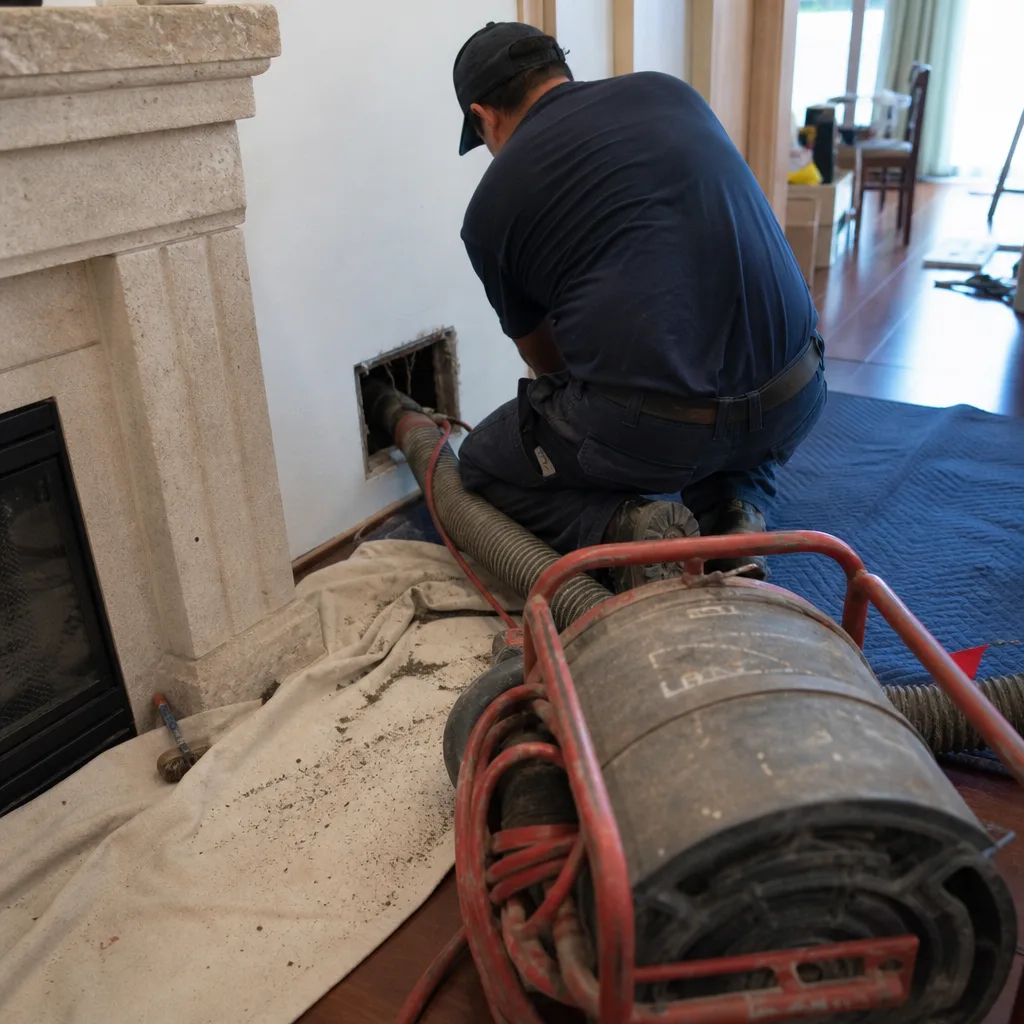 Before
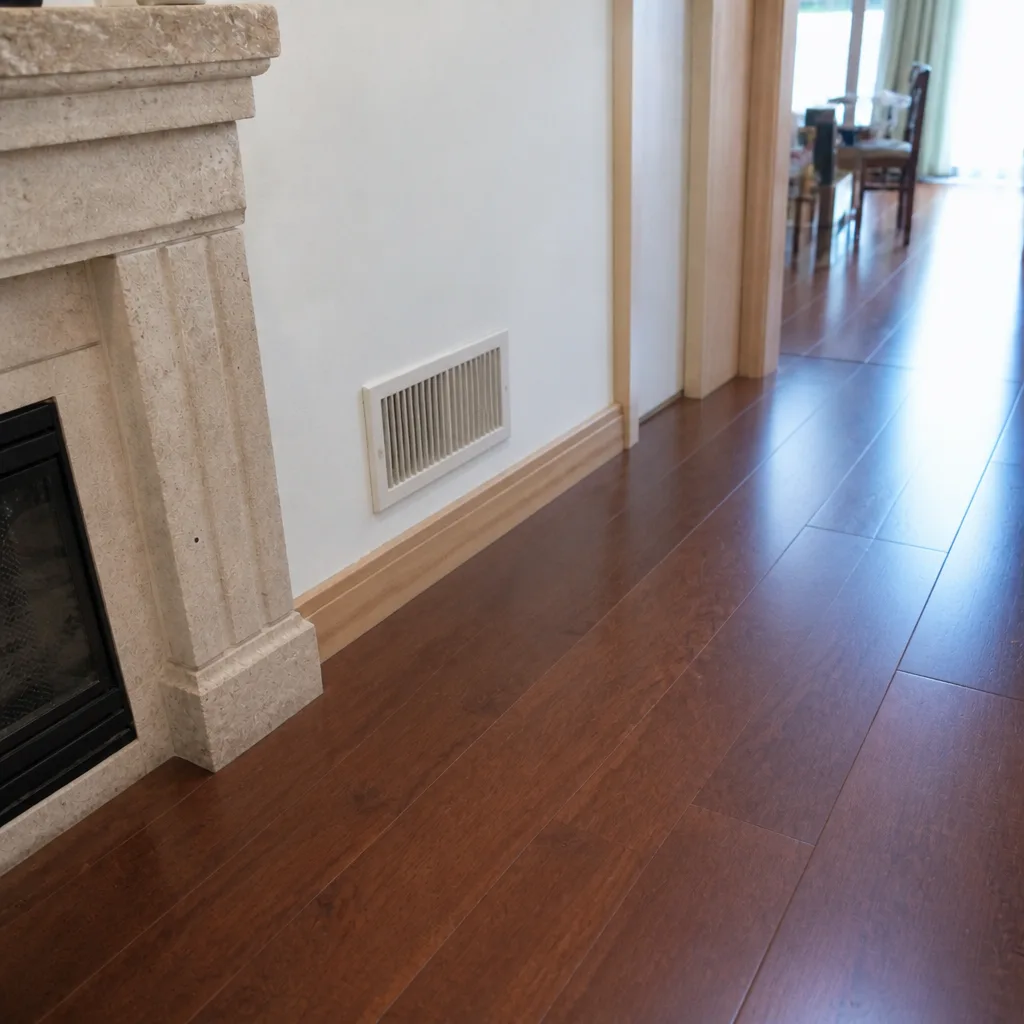 After
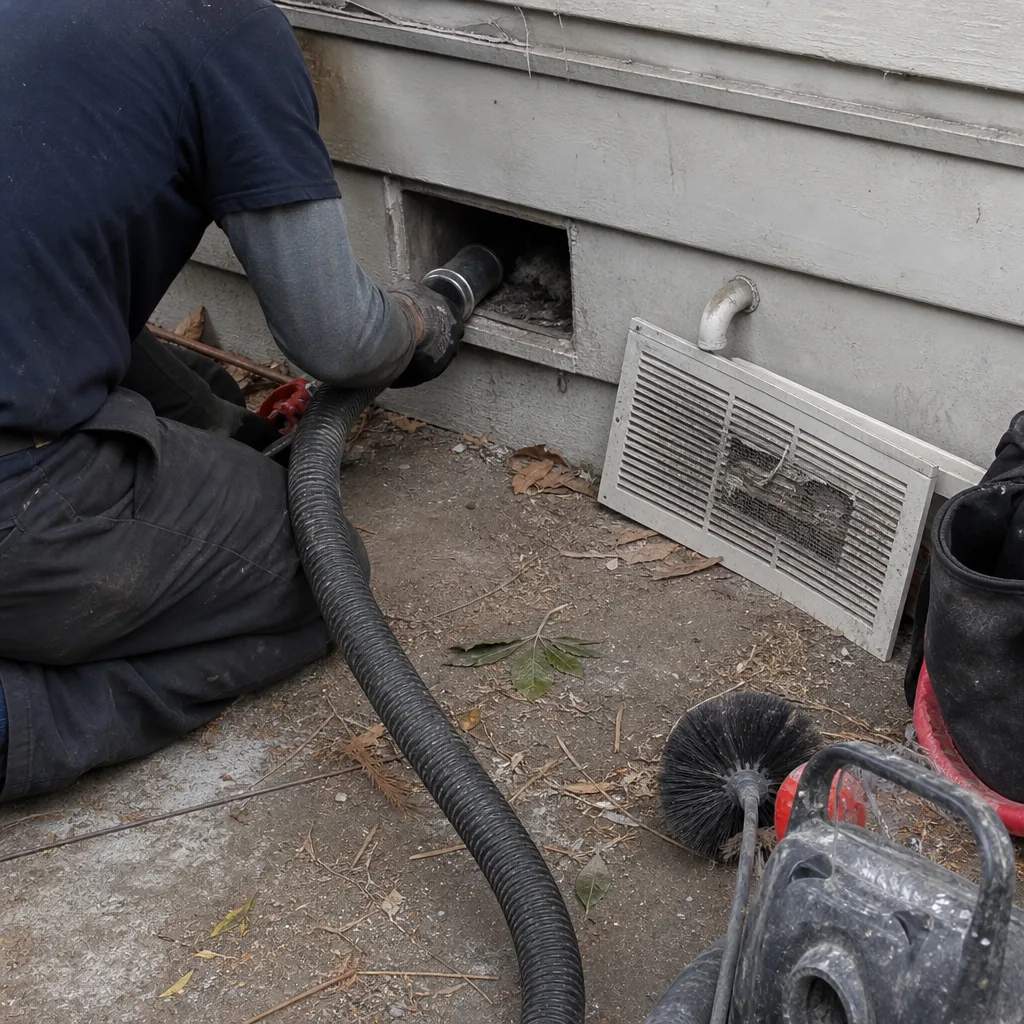 Before
 After
 Before
 After